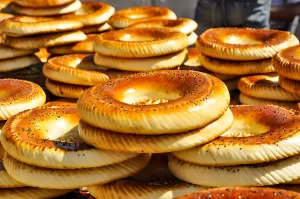
The story of Uzbek flatbread: from history to your table
How often has flatbread decided the fate of your lunch? In an age of fast


At first glance, tea may seem like an ordinary drink consumed every day. In Uzbekistan, however, tea drinking means much more. The ceremony is a genuine event, and even small details such as the warmth of the bowl and the patterns on a piala can make the moment special. The right tableware creates comfort, adds a little magic to an ordinary day and turns tea into a celebration.
“What could be simpler than drinking tea?” you may think. Imagine an evening when tea is poured into ordinary shop-bought cups. You drink it, but somehow there is no mood. Now picture a different scene: a bright Uzbek piala stands on the table, decorated with beautiful patterns that seem to glow. When you hold such a bowl, the tea appears more delicious, the conversation becomes more interesting and even a bad mood fades away.
In Uzbekistan, tea drinking is not merely a habit but a true tradition. Every family has its own favourite tableware. It is passed down from generation to generation. It decorates the home and preserves memories. Cups, teapots and plates for sweets all have meaning. Even an ordinary piala can tell a story—about the person who made it and the person who treasures it. Ceramics often carry patterns: flowers, pomegranates or lines. They are not only beautiful but also meaningful. These motifs are like a small secret speaking of hospitality and tradition.
Tea ware is more than an object; it becomes part of a celebration. It is used at important moments such as weddings, birthdays, and other holidays. An old teapot or a beautiful plate, for example, may be brought out only on special days. Guests who drink tea from such tableware always feel valued and respected.
The tea tradition in Uzbekistan began long ago, when these lands were crossed by the routes of the Silk Road. Traders brought not only tea but also beautiful tableware that became part of everyday life. Pieces from Gijduvan and Samarkand became especially renowned. These cities developed into centres of craftsmanship where artisans passed their secrets from generation to generation.
Natural materials were used to make tableware. Clay from local deposits was soft and well suited to shaping. Artisans also used pigments made from plants and minerals. Every step mattered: pieces were formed, dried for several days, decorated with patterns and then fired in kilns. The ornaments often depicted flowers, stars or simple lines that made every object special.

Uzbek ceramics remain popular today. Their beauty delights people in Uzbekistan and around the world. Pialas, teapots, and other products become more than tableware; they are pieces of culture that can enter every home.
Choosing the right tableware is a step towards the perfect tea ceremony. Follow these simple tips:
Uzbek ceramics are not only functional; they are beautiful. Pialas with traditional patterns decorate shelves and add an Eastern touch to the interior. Imagine a kitchen or living room where ceramic tableware takes centre stage. Every piece tells the story of the artisan who put heart and soul into creating it.
Ceramic tableware does more than look beautiful; it can change the atmosphere of any room. The patterns on pialas reflect both the master’s creativity and the natural world of Uzbekistan. Bright colours, fine lines, and distinctive motifs make every object unique.
Imagine a refined piala becoming the centre of attention on your table and adding elegance and warmth. Such tableware is both practical and a carrier of history and tradition. Even guests seeing Uzbek ceramics for the first time will be unable to hide their admiration. For the hosts, it is an opportunity to explain how the beauty was created and why it holds a special place in the home.
Uzbek tableware is like a magic lamp from a tale. It comes alive when tea is poured into it and creates warmth and comfort. Every piala and teapot is more than an object; it is a window onto tradition that opens whenever you hold a tea ceremony.
Every teapot and piala forms part of a larger story. These objects are made by artisans who put their hearts into the work. The patterns are more than decoration. They speak of nature, celebrations, and the lives of people who passed traditions through centuries. Hand-painted details make every object individual and unrepeatable.

When you brew tea in an Uzbek teapot, everything seems different. The aroma feels fuller and the flavour richer. Guests served tea from such tableware sense warmth and care. It becomes a small ritual that brings everyone together around one table. This is why Uzbek tableware plays such an important role in tea drinking: it creates comfort and makes every moment feel special.
A tea ceremony is an opportunity to feel part of Uzbekistan’s ancient traditions. It is more than a ritual; it is a true art that brings joy and calm. It fills the home with hospitality, helps us forget daily haste, and lets us enjoy a moment in which every sip of tea seems to carry us into a world of warmth and comfort.
The right tableware plays an enormous role in creating this atmosphere. Patterned pialas and handmade teapots make every tea gathering special. They add beauty and soul to the ritual, and tea served in them seems more aromatic and flavourful. Even a simple cup of tea becomes a memorable experience.
How often has flatbread decided the fate of your lunch? In an age of fast
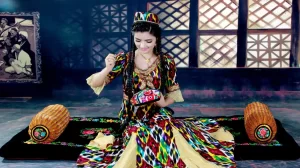
A tubeteika suits everyone: the grey hair of a wise elder and the braids of
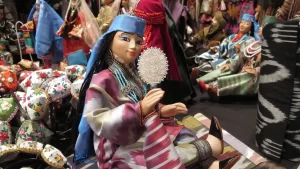
Traditional Uzbek dolls are more than toys. They are genuine works of art carrying Uzbekistan’s

The traditions of silk production in Uzbekistan reach back to deep antiquity, and today these