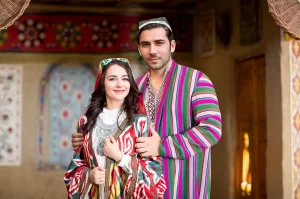
The evolution of Uzbek clothing: from traditional costumes to fashion collections
Uzbek clothing is a vivid symbol of the country’s culture, history and rich traditions. Over

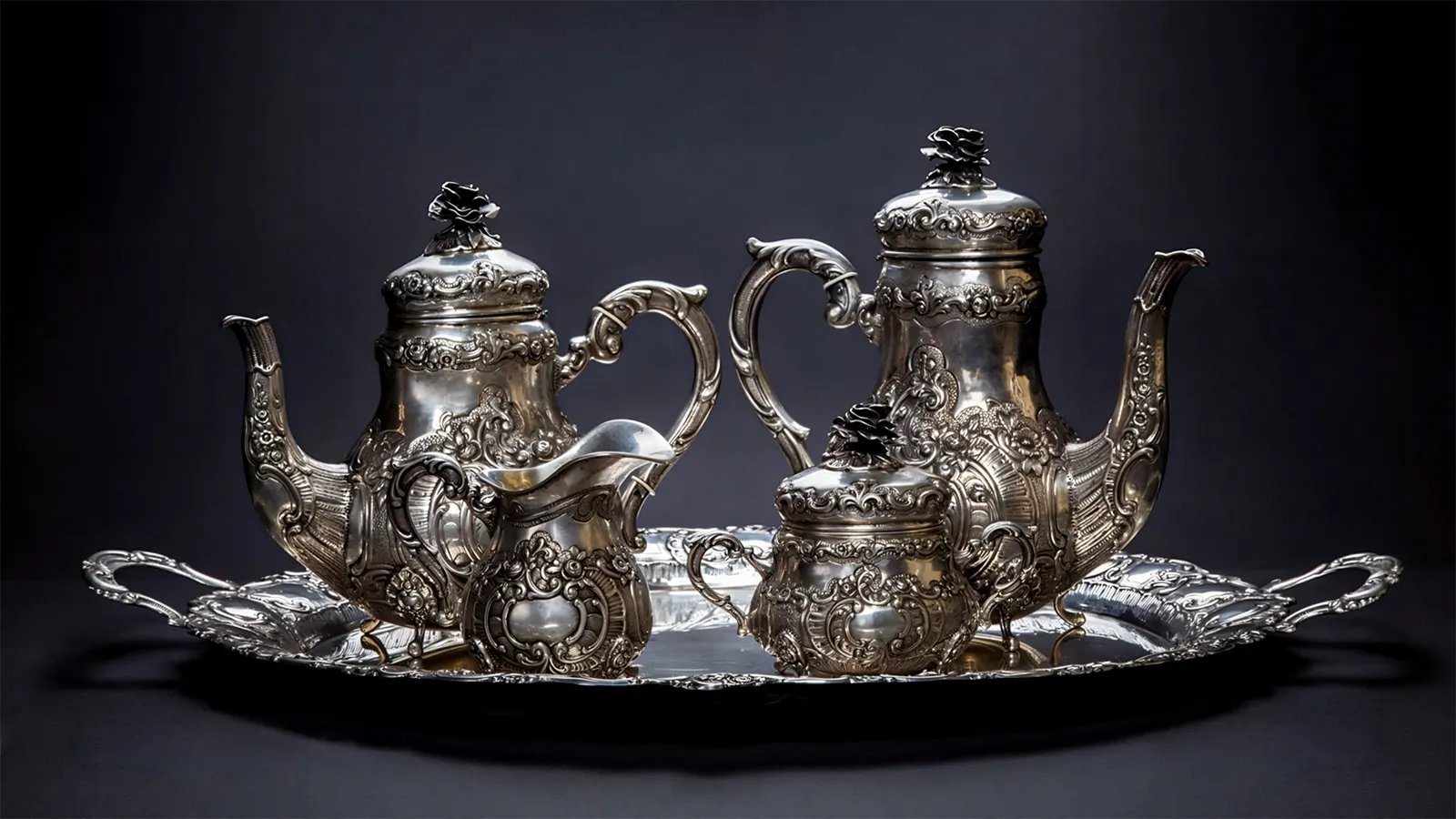
Anyone who thinks antiques belong only in museums or private collections is mistaken. Uzbek antiques are objects with soul. They are like a journey through time. Every piece tells a story: who made it, how it was used, and why it is still valued. In a world where new things quickly lose their appeal, old objects become genuine treasures.
These may be old patterned plates or ceramics made many years ago. Such objects decorate a home and recall long-standing traditions. Who would have thought that an ordinary market could hold such unusual finds? They do more than enhance an interior: they show how people lived in the past. This is not merely a purchase but a small adventure that helps you discover something new.
Imagine a day off. You visit the Yangiabad Bazaar in Tashkent, the largest flea market in Central Asia. It is busy from early morning: sellers arrange their goods while buyers search for something interesting. All kinds of objects can be found here—antique watches, beautiful boxes, old coins and rare ceramics. Some have remarkable stories. One seller, for example, described how a nineteenth-century kazan appeared on his stall. Someone bought it very cheaply and later sold it at auction for a large sum. There was also an old book with beautiful illustrations that was purchased for a museum.
Every place in this bazaar resembles a small open-air museum. You may find rare jewellery, antique porcelain or handmade furniture. The most exciting part is never knowing what treasure awaits around the next corner. Many people come not only to shop but simply for inspiration, because every object has a unique story.
Age and uniqueness. The The older an object is, the less likely it is that similar examples have survived. Antique nineteenth-century porcelain plates, for example, with delicate hand-painted patterns, look exceptionally beautiful and unusual. The artisans who made them are long gone, and their techniques have become part of history. Some antique objects were produced only in small quantities, so finding one today is a genuine rarity. Such pieces show us the styles, materials and technologies used many years ago.
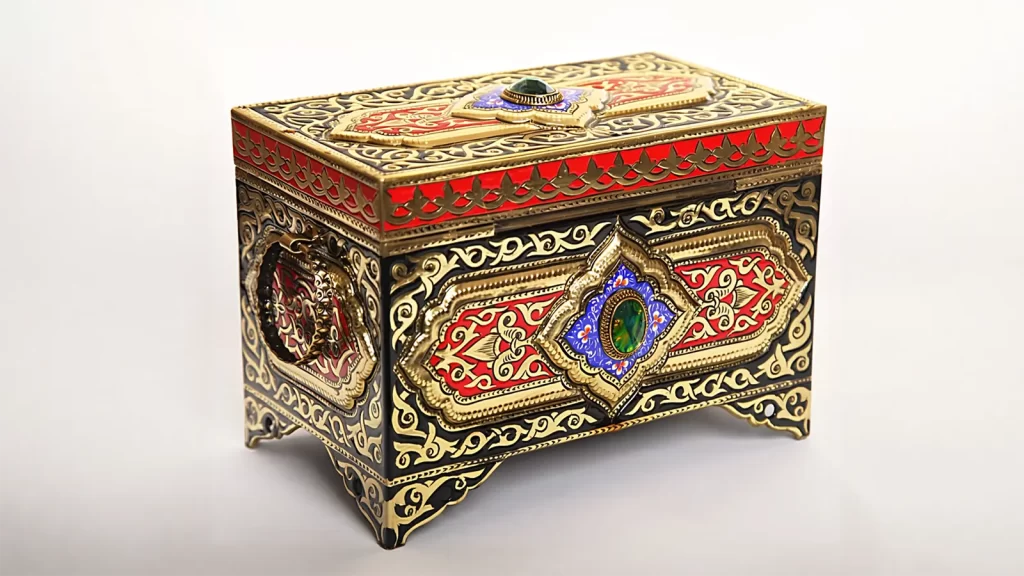
History. Every antique object tells a story. It may be expressed in patterns on ceramic tableware, designs woven into carpets or fine engraving on old boxes. These things connect us with earlier eras. They show how people lived many years ago and what they loved and valued. A carpet pattern, for example, may reveal where it was made, while an old plate may once have belonged to an expensive service in a wealthy household. Such objects are treasured because they are fragments of history that can be held in the hand. For collectors, they also offer a chance to touch the past and enter the remarkable world of old things that have survived many events.
Read about authentic blue ceramics from Uzbekistan.
‘This dagger is a true legend,’ says a master from Andijan, holding the gleaming blade. ‘It was made by craftsmen who passed their secrets down from generation to generation.’ ‘A legend? What is its secret?’ the customer asks with curiosity, studying the ornament on the handle. ‘Once, knives like this were made only for khans. The engraving on this blade is not simply beautiful; it tells a story. These signs symbolise the owner’s courage and strength. Do you see the patterns? They indicate his rank and achievements.’ ‘That is incredible,’ the customer says admiringly. ‘Were they really used in battle?’ ‘Not only in battle,’ the master replies. ‘Such knives often served as symbols of authority. They were given as signs of respect and friendship. This one, for example, was made from a special steel renowned for its strength. Would you like to hold it? Feel its balance and weight.’ ‘Of course.’ The customer takes the dagger and notices how perfectly it rests in the palm. ‘It truly is a work of art!’
Discover the secrets of Chust knives..

Uzbekistan, located on the Great Silk Road, has always been a meeting place where different peoples traded goods and shared culture. This ancient route linked East and West and helped spread not only merchandise, but also knowledge, technology and traditions. As a result, many antiques seen today travelled through several countries and acquired their own distinctive histories. Bukhara carpets, for example, decorated not only homes in Uzbekistan, but also palaces in Persia. Khiva tableware with vivid patterns was used at lavish merchant receptions and impressed guests with its beauty.
Every antique object has a story. Samarkand boxes, with their detailed patterns, did more than hold jewellery or letters: they also showed the remarkable skill of their makers. These boxes passed from one generation to the next and became treasured family heirlooms. Today, they can grace any home, adding warmth and the atmosphere of the past.
And what of carpets? Uzbek carpets, handwoven from natural materials, remain popular even after centuries. They are warm and soft, but they also carry distinctive patterns that tell stories about the lives of people in earlier times. They are genuine works of art preserving tradition and skill. Khiva tableware, with its vivid painting and refined forms, remains an example of taste and attention to detail. Every element reveals the maker’s care and pursuit of perfection. These objects are more than possessions. They are bridges to the past, opening the secrets of bygone eras.
View the collection of unique carpets.
Interior designers enjoy using antique objects because they make any home or room more beautiful and distinctive. Such pieces help create a welcoming and interesting atmosphere. Uzbek ceramics, for example, can become a vivid detail in an ordinary apartment. They attract attention, add Eastern character and make the interior unusual. In a country house, patterned carpets or beautiful ceramic plates look ideal beside wooden furniture or a fireplace. The result is a feeling that every corner of the room has been arranged with care.
Antique objects also work well in offices and other public spaces. They make a room beautiful while demonstrating the owner’s good taste. Uzbek ceramics, for example, combine very well with modern European styles. Such objects add warmth and make a design feel more alive. Even in simple interiors, antiques introduce something fresh and memorable. They give any space a unique and engaging character.
Discover how Uzbek crafts fit into different interiors.
In a world where many things seem alike, antiques remind us of the value of handwork. Every piece is more than an object; it is part of history, made by a talented artisan with great care. Antiques let us look into the past and understand how people once lived, what they valued, and what they created.
Antiques offer more than beauty; they are genuine witnesses to time. Every carved box or carpet, for example, may tell a fascinating story. A box might once have held a family’s jewellery, while a carpet may have taken many weeks to weave, with each meaningful pattern added by hand. Such objects always look distinctive because each was made with care and soul.
Today, many people seek antiques not only to decorate a home but to preserve part of history. These objects remind us that skill does not disappear when heart is invested in it. Each piece creates a connection with the past and allows us to touch a world that existed before us. It is like holding not just an object but an entire story coming to life in your hands.
Uzbek clothing is a vivid symbol of the country’s culture, history and rich traditions. Over

Silk is like precious jewellery: valued for its sheen, softness, and elegance. Like any treasure,
Finding an antique can sometimes feel like discovering real treasure. But how can you tell
Uzbekistan is famous not only for its rich culture and traditions but also for the