Search

The first signs of fake antiques in Uzbekistan: how not to become a victim

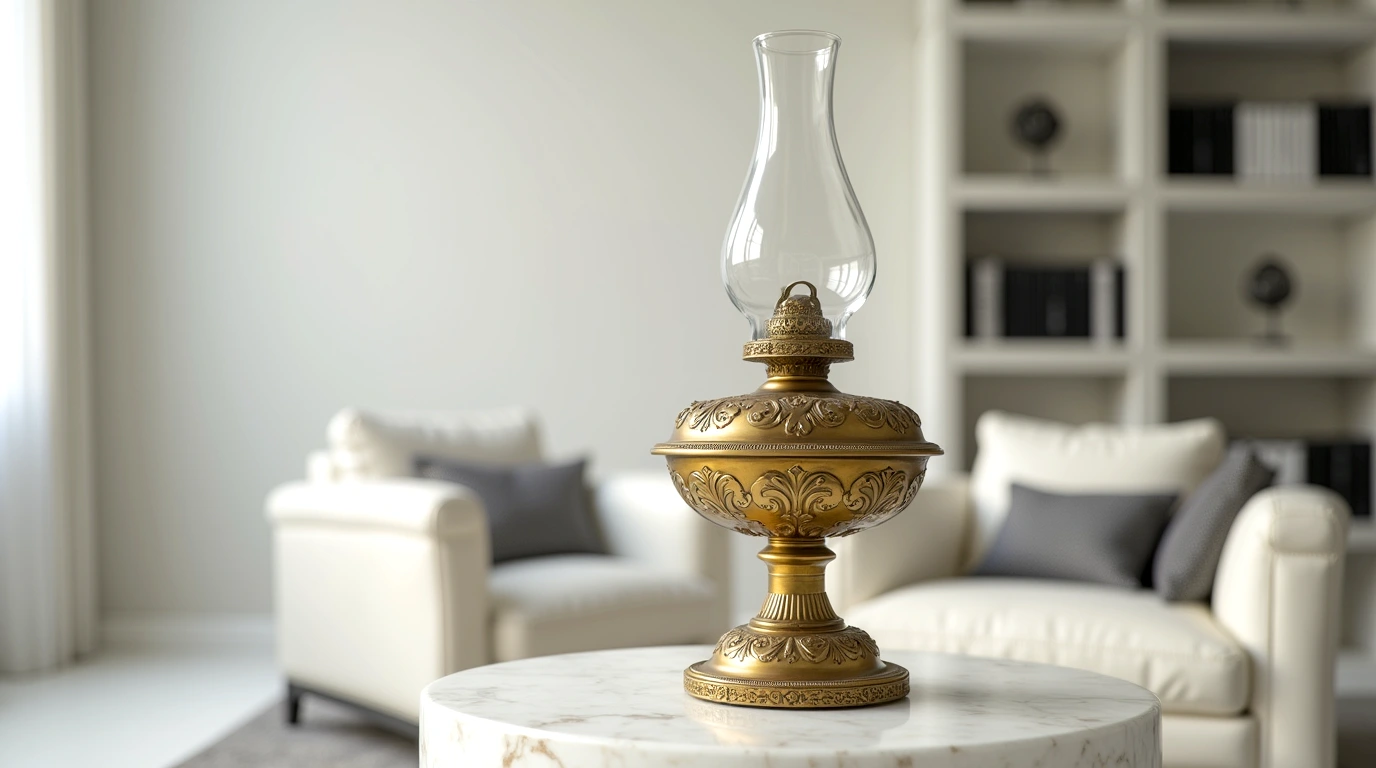
Старинный светильник с изящной гравировкой и патиной на поверхности

Finding an antique can sometimes feel like discovering real treasure. But how can you tell whether your find is authentic? Markets are full of skilful copies that may deceive even an experienced collector. This article explains how to recognise imitations and avoid fraud when buying antiques in Uzbekistan.

How to recognise fake antiques: simple advice.

Antiques require a careful approach. Even experienced people can be deceived by imitations. Markets contain expensive forgeries as well as cheap copies. Look for the following warning signs.

  1. Materials. Fakes are often made with modern materials such as synthetic threads or adhesives that were not used in the past. If you see details that could not have existed in the supposed period, the item is probably a fake.
  2. Dust and dirt. Genuine old objects usually carry dust embedded in recesses and textile fibres. Fakes often look too clean. An old military uniform, for example, will show signs of use that are difficult to imitate.
  3. Finishing and polishing. Polishing methods in the past were different from modern ones. If an item looks excessively smooth and shiny, it may well be a fake.
  4. Provenance. Every genuine antique has a history. Sellers may tell attractive stories, but serious collectors always ask for documents confirming authenticity. Without documentation, it is impossible to be certain of an item’s provenance.
  5. Weight and texture. Genuine old objects have a distinctive weight and texture. Antique ceramics, for example, may feel heavier and rougher than modern copies. Fakes are often lighter and overly smooth.
  6. Scent. Old books, textiles and furniture have a characteristic smell. If an item smells new or strongly of chemicals, it may be a fake.

An antique cabinet with artistic decoration in sunlight.
Soft lighting highlights the wood grain and handmade finish.

Where to find antiques and how to avoid fakes.

In Uzbekistan, antiques can be found at auctions, specialist shops, and flea markets. Each option has advantages and disadvantages.

  • Auctions. Auction houses such as Christie’s in London or Sotheby’s in New York are regarded as reliable places to buy antiques. Auctions are also held in Uzbekistan, but buyers should be cautious and seek expert advice to avoid purchasing a fake.
  • Antique shops. Specialist shops often provide certificates of authenticity, but additional checks are still advisable. Compare objects with established catalogues and research their history. This will help you distinguish an original from a fake.
  • Flea markets. Flea markets can offer many interesting finds, but the risk of buying a fake is high. If you buy at a market, take an expert with you or at least inspect the item very carefully. Such places are also interesting for meeting local people, but their stories cannot always establish authenticity.

An expert wearing gloves examines an antique object.
An expert assessment can confirm the authenticity and value of an antique.

Trends in the Uzbek antiques market.

Interest in antiques is growing in Uzbekistan. People want to preserve part of their history and culture, so old objects are becoming more popular. Young masters study traditional techniques to create pieces in the style of the past, attracting local collectors and tourists alike.

The growing popularity of antiques has also increased the number of fakes, especially in categories such asCeramics“, “Carpets, andPaintingsthat are popular with collectors.

How to care for antiques.

Once you find a genuine antique, correct care is essential to preserve its value. Follow these simple tips.

  1. Protect from sunlight. Sunlight can damage textiles, paintings and carpets. Keep such objects away from direct light. Use heavy curtains or special window filters where necessary.
  2. Monitor humidity. Excessive humidity can cause mould, while very dry air can crack wood and leather. An optimal humidity level is about 45–55%. A humidity monitor can help you keep conditions under control.
  3. Clean gently. Use soft brushes and dry cloths. Avoid chemical products, as they can damage antiques. Clean objects gently and without excessive pressure.
  4. Store properly. Every object needs its own space. Do not compress books or paintings, as this can cause damage. Store antiques in closed cabinets or on shelves where they are protected from external impacts.
  5. Protect from pests. Insects and rodents can damage antiques. Use appropriate preventive measures and inspect your objects regularly.

An antique is not merely an object, but a story.

Every antique preserves part of history. An ordinary lamp may have witnessed important events, while an old painting can reflect the life of an entire era. This is the appeal of antiques: they let us touch the past and feel its spirit.

When you buy antiques in Uzbekistan, you become part of their story. You support craftspeople and help preserve culture and tradition. On SilkGranat , you can find authentic antique pieces that will enhance your home and become part of your collection. Explore our antiques and feel a connection with the past.

An antique is more than a beautiful object. It is a way to express love for history and culture. It creates a special atmosphere in the home, full of mystery and memory. Every piece carries something of the master who made it and the energy of its age.

Conclusion.

An antique is not simply an old object. It is part of our history and culture. To avoid becoming the victim of a fake, be attentive, study each piece and trust your judgement. By following our advice, you can avoid mistakes and add genuine works of art to your collection. Buying antiques is a responsibility towards history and yourself. Be careful, and enjoy this remarkable world.

Share:

Share:

Articles