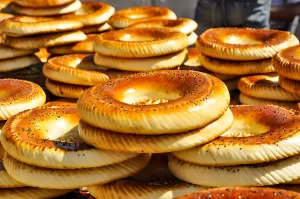
The story of Uzbek flatbread: from history to your table
How often has flatbread decided the fate of your lunch? In an age of fast


Silk is like precious jewellery: valued for its sheen, softness, and elegance. Like any treasure, however, it needs special care. Who has not felt disappointed when a favourite silk blouse lost its lustre after incorrect washing? We explain how to prevent this.
Silk appeared more than 5,000 years ago in ancient China, where legend says it was discovered by Empress Leizu. A silkworm cocoon fell into her tea, and when she tried to remove it, she found fine but strong fibres. This moment became the beginning of an industry whose secrets were closely guarded for centuries.
For a long time, silk was available only to rulers and the highest nobility, making it a symbol of status and wealth. It was produced by hand, and every stage—from raising silkworms to weaving the cloth—was carefully controlled. Caravans carrying silk goods travelled along the Great Silk Road and connected East with West.
Silk reached Europe only in the sixth century, through the ingenuity of Byzantine monks. They carried silkworm cocoons inside hollow bamboo canes and broke the Chinese monopoly. From that time, silk production began to spread around the world, although Chinese masters remained its recognised leaders.
Modern silk incorporates both tradition and the latest technology. Today it is used not only for clothing but also in medicine, cosmetology and even aviation. Its exceptional qualities—lightness, strength and ability to retain warmth—make it an invaluable material. Despite technological progress, natural silk is still prized for its authenticity and refinement.
Silk is now available to everyone but remains a symbol of refined taste. It embodies harmony between nature and human labour and recalls centuries of craft and art.

Silk items require special drying after washing.
Ironing. Iron silk only from the reverse side and use the lowest temperature. Place a thin cotton cloth between the iron and silk. If the fabric has become too dry, moisten it slightly before ironing.
Store silk garments on padded hangers to prevent distortion. Use wide hangers for long dresses or scarves so that the item keeps its shape. Without garment covers, wrap silk in clean cotton cloth.
Use natural moth protection such as lavender sachets or cedar blocks. Air wardrobes every few months to keep stored items fresh.
Silk products have become an integral part of everyday life. They include not only clothing but also home textiles and accessories. Uzbek silk presented on SilkGranat.uz combines ancient traditions with modern technology. Every piece made by an artisan carries the spirit of the East and a distinctive style that is difficult to find anywhere else.
Among silk fabrics, Uzbek silk stands out for its natural sheen and special weave. The cloth is pleasant to the touch and remarkably durable. From shawls to interior accents, every piece embodies harmony between nature and craftsmanship.
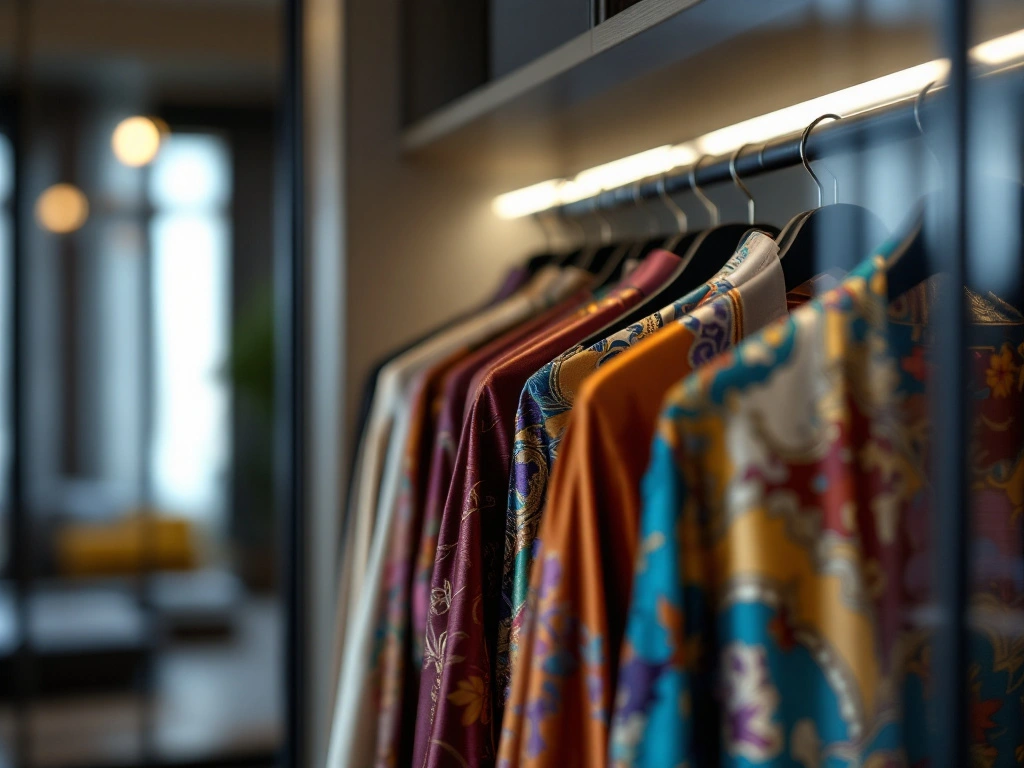
When you buy a product made from Uzbek silk, you become part of a centuries-old history in which tradition and culture meet modern trends. Thanks to masters who preserve old production techniques, every fabric is more than material; it is a work of art.
Uzbek silk is also ideally suited to modern life. It breathes, retains warmth in cold weather and feels cool in summer, making it a versatile choice for every season and occasion. Whether you choose clothing, accessories or decorative elements, silk from Uzbekistan can delight you with its beauty and quality for many years. Its popularity continues to grow, and the variety of its uses is impressive. From delicate chiffon scarves to dense brocade fabrics, silk has always remained a symbol of refinement. Uzbek silk has long travelled beyond its homeland and is now popular with designers and lovers of handmade work around the world. When you buy a silk item from SilkGranat.uz, you receive not only quality, but also part of the rich culture of the East. Craftspeople create these fabrics with care, while proper treatment preserves their beauty for years.
Uzbek silk is more than fabric; it is an art infused with the spirit of time. Every piece made by an Uzbek artisan tells a story and reflects the region’s rich cultural heritage. From the ancient Great Silk Road to the present day, this cloth has remained a symbol of refined taste and craftsmanship.

Traditional weaving techniques handed down through generations make Uzbek silk distinctive. Its softness, strength, and refinement allow it to be used not only for clothing but also for interiors, accessories, and decorative details. It is a choice for people who value quality and style.
Besides its beauty, Uzbek silk is highly practical. It feels cool in summer and retains warmth in cold weather. Its versatility makes silk suitable for every occasion, from daily wear to a formal event.
By choosing Uzbek silk on SilkGranat.uz, you become part of a rich tradition uniting centuries-old knowledge with current trends. It is more than a purchase; it helps preserve cultural heritage and lets you enjoy a genuine work of art.
How often has flatbread decided the fate of your lunch? In an age of fast
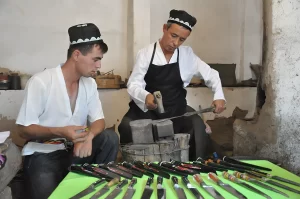
Uzbek knives are not only tools for everyday work but also works of art reflecting
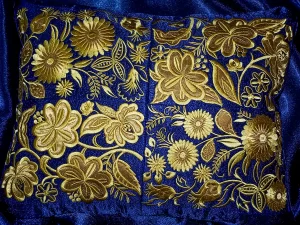
Sometimes you open the wardrobe and see the same familiar things. Yet there are masters

“Lost your earrings again?” asked her husband, trying to hide his surprise. Did you know