Every Uzbek carpet is more than a home decoration; it is a story woven into thread. Such a carpet becomes both a practical part of an interior and a family treasure passed from generation to generation. Let us examine how to choose an authentic Uzbek carpet and what to know before buying one.
The history of Uzbek carpets.
Uzbek carpets have a history measured in millennia. They began to be woven by hand more than two thousand years ago. At that time, carpets served not only as decoration but practical purposes as well. They insulated yurts, protected people from the cold, were used as bedding and were even given as marks of respect. Every carpet reflected the culture, traditions and everyday life of its era.
Carpets played an important role in ceremonies and rituals. In Uzbek wedding processions, for example, they symbolised prosperity and fertility. In some regions, a carpet formed part of a dowry and passed from one generation to the next. Masters wove them with special care and included symbols of happiness and abundance in the patterns.
Today, Uzbek carpets form an integral part of the cultural heritage. They continue to be valued for distinctive design, warm natural materials, and durability. Every carpet is more than a textile product; it is a work of art that preserves the history and traditions of its people.
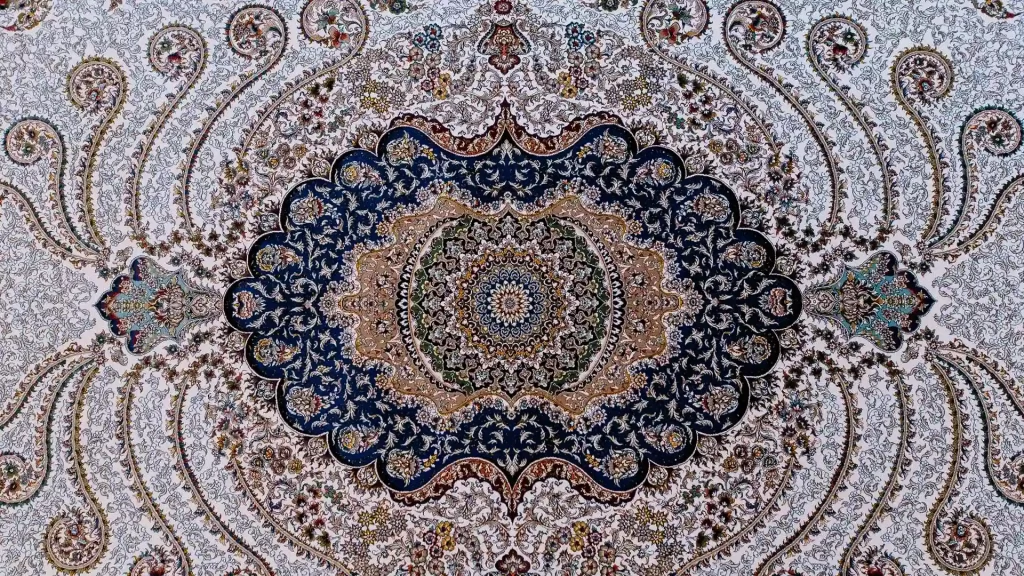
Every line is a thread of history, and every curl is art woven through the centuries.
There are three main types of Uzbek carpets:
Gilam carpetscarpets: these carpets have a short pile and clear geometric patterns in traditional colours such as red, blue and gold. Their versatility makes them ideal for living rooms, offices and even public spaces. A high weaving density makes gilams durable and easy to clean, adding practical value. Their motifs often symbolise harmony and stability, which gives them special aesthetic significance.
Julkhirscarpets: these long-pile rugs are celebrated for their softness and warmth. They are ideal for cold winters because they create comfort and cosiness. Often used in bedrooms or children’s rooms, they add a welcoming feeling to the interior. Julkhirs are woven from natural wool, which retains heat and makes them especially pleasant to touch. Their patterns often feature botanical motifs symbolising prosperity and fertility.
Palasrugs: these flatwoven, pileless carpets are light yet durable. Their simplicity and practicality make them ideal for corridors, kitchens and other busy spaces. Palas rugs are usually made from cotton and wool, which gives them good resistance to wear. Their patterns are often geometric, with clear symmetry symbolising order and balance. Thanks to their minimalist design, they fit well into modern interiors.
Carpet patterns may include geometric forms, flowers, and even animals. Every motif has meaning: diamonds symbolise good fortune, while floral patterns represent fertility.
Ten signs of an authentic Uzbek carpet.
Material. Use only natural sheep or camel wool, or cotton. Wool makes carpets warm and durable enough to last for decades. Natural fibres also give them a special softness and flexibility that distinguish them from synthetic carpets.
Handwork. Everyknot is tied by hand, a process requiring enormous skill. One carpet may take several months to create. Handwork makes each carpet unique because two absolutely identical pieces cannot be produced.
Patterns.Every ornament is more than a picture; it tells us about the culture and life of the Uzbek people. Geometric forms represent order and stability, while plant motifs stand for prosperity and fertility. Masters often include details connected with a family’s or region’s history.
Colour intensity.Natural dyes made from plants and minerals provide lasting brightness. The shades retain their beauty even after decades. Such dyes are also environmentally responsible and safe for health.
Weave density.The more knots per square metre, the higher the carpet’s quality. Dense weaving improves wear resistance, longevity, and pattern detail, making motifs clearer.
Edges.Well-finished edges prevent threads from unravelling and extend a carpet’s life. They are a sign of skill, as poor finishing can cause rapid wear.
ScentNatural wool has a faint organic smell unlike synthetics. This indicates that the material is natural and has not undergone strong chemical treatment.
Texture.A genuine carpet feels warm and velvety. Its texture makes it comfortable to use and pleasant under bare feet. Natural materials are also less likely to cause allergies.
Documents.Authentic carpets often come with quality certificates confirming origin and hand production. Such documents identify the region and materials, information especially important to collectors.
Age.Older carpets are valued more highly once they acquire antique status. They become family heirlooms and often pass through generations while retaining their history and individuality.
How to care for a carpet.
Correct care is important if a carpet is to last. Uzbek carpets made from natural materials need delicate handling to preserve brightness, softness, and durability.
Regular cleaning. Vacuum a carpet at least once a week to remove dust and small debris that may damage fibres. Use a delicate-cleaning attachment to protect the pile.
Avoid moisture. Liquidcan seriously damage a carpet, causing deformation and colour changes. If something spills, blot it immediately with a dry cloth. Do not rub, as this pushes the stain deeper.
Stain removalstains. Use mild soap and cold water. For difficult marks, consult a professional because aggressive products may damage natural dyes.
Airing. Hangthe carpet outdoors once every six months to refresh it and remove odours. Avoid prolonged direct sunlight, which can fade the colours.
Even use. Rotatea carpet every few months to prevent wear in one area. This is especially important in spaces with heavy foot traffic.
Storage.For long-term carpet storage, roll it with the pile facing inward and place it in a fabric cover. Never use plastic bags, which can trap moisture.
These simple recommendations will preserve the beauty and structure of an Uzbek carpet for years and help it become a family heirloom.
A carpet is a kind of magic that can enliven any interior and turn a room into a work of art.
Why are Uzbek carpets popular?
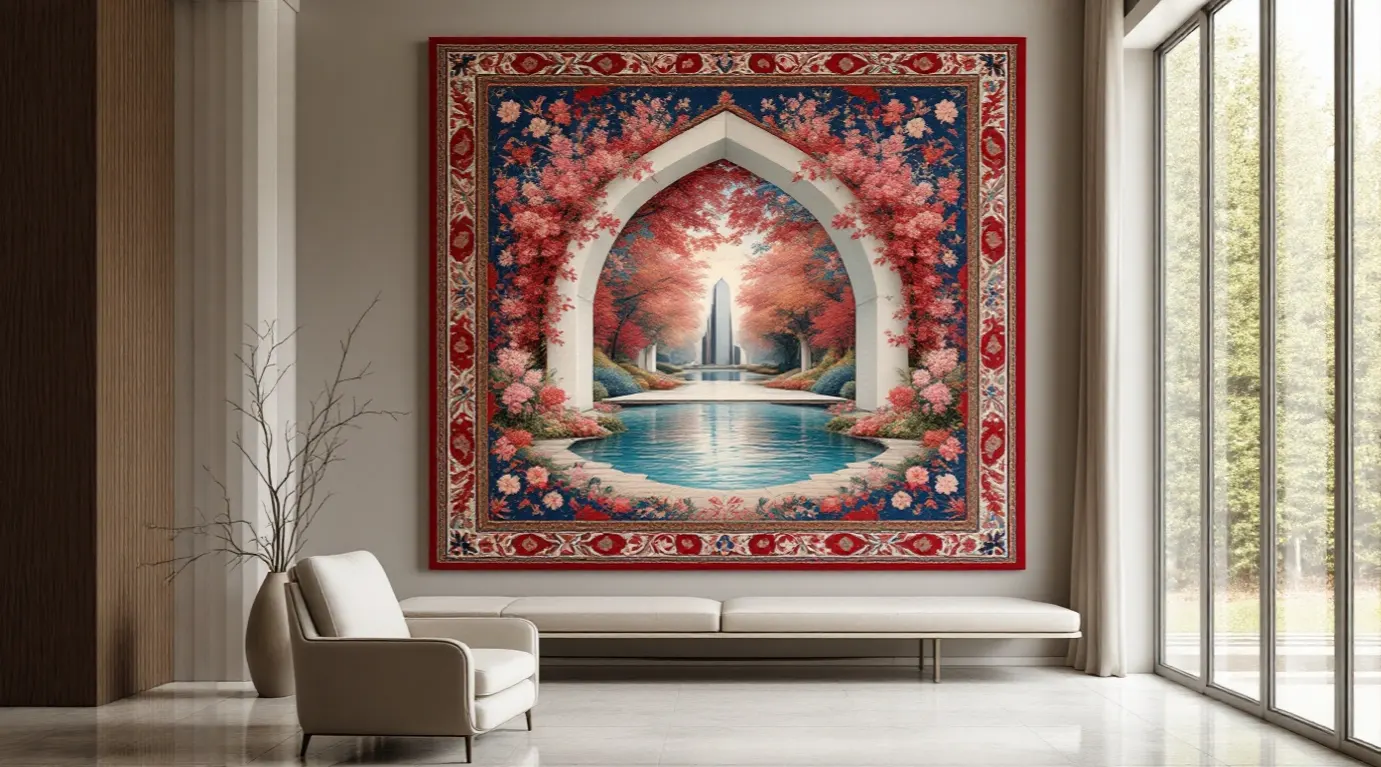
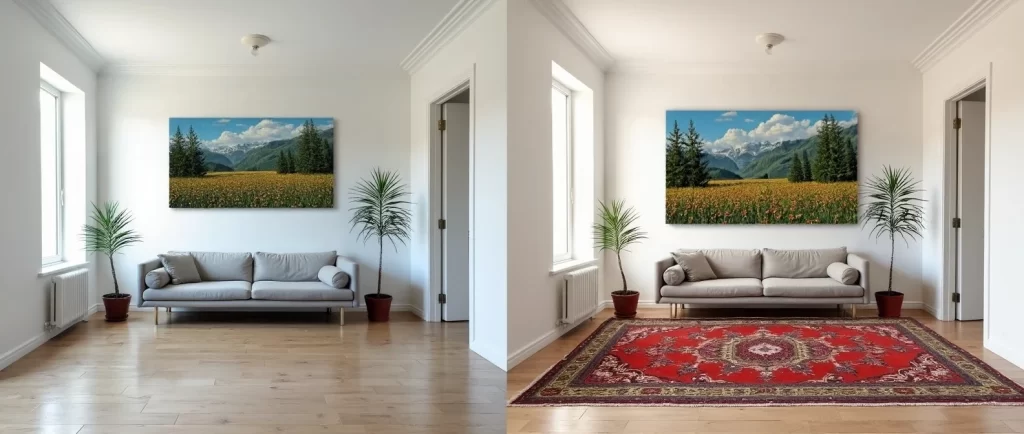
Uzbek carpets have become fashionable again today, and that is hardly surprising. They combine tradition and modernity in a distinctive way, bringing warmth and luxury to any home. Uzbek carpets have become a genuine symbol of refined taste, while their vivid patterns add life even to the most restrained interiors. In modern flats they serve not only as decoration but as a central feature expressing the owner’s individuality.
Uzbek carpets also embody environmental responsibility. Their natural materials are safe for health and nature. Sheep and camel wool together with natural dyes make every carpet distinctive and durable.
The investment value of Uzbek carpets is no less compelling than their visual appeal. This is not simply a purchase but a contribution to art and culture. Handwork, unique patterns and a rich history make them sought after by collectors and connoisseurs around the world. When you acquire an Uzbek carpet, you own a genuine work of art carrying the spirit of centuries-old traditions. By supporting artisans, you help preserve Uzbekistan’s unique heritage for future generations.
The warmth of an Uzbek carpet brings a family together and creates comfort and harmony.
An Uzbek carpet is more than an element of décor. It embodies warmth, comfort and a cultural heritage steeped in history. Every carpet pattern tells a unique story and preserves the memory of tradition and craftsmanship. When choosing a carpet, pay attention to the quality of the materials, the complexity of the design and its symbolic meaning. Such a carpet will not only decorate your home but can become a family heirloom, proudly passed from one generation to the next while adding character and warmth to the interior.