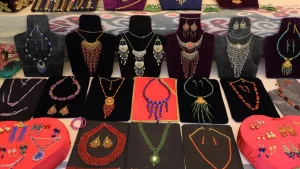
Uzbek jewellery: an art that carries traditions across generations
Uzbek costume jewellery is a distinctive world of vivid colours and graceful forms permeated by

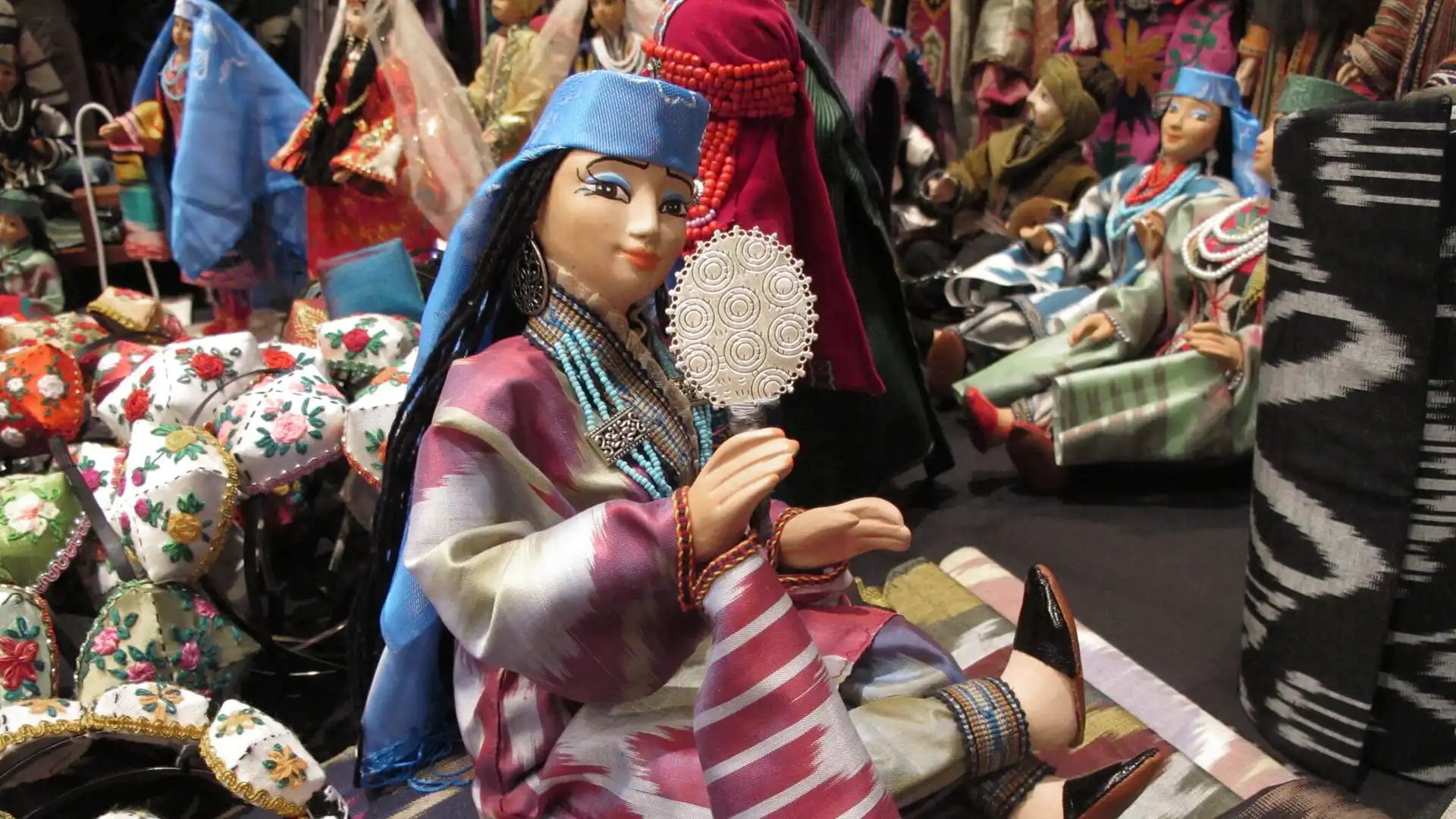
Traditional Uzbek dolls are more than toys. They are genuine works of art carrying Uzbekistan’s cultural heritage and rich history. They embody traditions, customs and the depth of the Uzbek spirit, transporting us to times when handcraft was an inseparable part of daily life. In this article, we explain how and why these distinctive dolls were made and what place they occupied in the culture and everyday life of the Uzbek people.
The history of Uzbek dolls spans many centuries. In antiquity, dolls were made not only as children’s toys but as elements of rituals and ceremonies. Their main purpose was to convey images and symbols significant to the culture and worldview of the Uzbek people. The dolls were handmade from readily available materials including cloth, wood, ceramics and clay.
Dolls made for theatrical performances hold a special place in the history of Uzbek puppetry. They were used in shadow theatre and puppet shows popular in towns and villages across Uzbekistan. These theatres often staged folk tales, passing important moral lessons to audiences through their puppets.
When dolls began to be widely used in ritual practices, people attributed magical properties to them. They were believed to protect the home from evil spirits and bring good fortune and health. This was especially true of dolls made for festivals such as Navruz. At such times, artisans paid particular attention to detail and created figures symbolising fertility and abundance.
Every Uzbek doll carries particular symbolism. Dolls in national dress, for example, represent different regions of Uzbekistan. They may wear bright atlas dresses with gold thread, tubeteikas, or chapans, emphasising the distinctive character of each part of the country.
Many Uzbek dolls depict historical figures and legendary heroes, including Amir Timur and characters from folk tales. By creating such dolls, artisans seek to preserve cultural heritage and pass knowledge of the past to future generations. Every detail of costume, garment and ornament has meaning, revealing the character represented and that person’s role in history.
The symbolism of Uzbek dolls is also expressed through their faces and poses. Smiling dolls, for example, represent the joy, hospitality and kindness of the Uzbek people. Figures of dancers emphasise the importance of music and dance in Uzbek life. Dances such as Lazgi and the Fergana dance are reflected in these dolls, each of which seems ready to begin spinning at any moment.
Making a traditional Uzbek doll requires a high level of skill and patience. Every doll is produced by hand, from selecting the materials to adding the final details to its clothing and face. Natural textiles are used for the body and filled with wool or cotton. Some dolls are made from wood or ceramics, which makes them more durable and suitable as decorative objects.
Making the clothing is one of the most important parts of doll production. Artisans use traditional fabrics such as atlas and adras to create miniature national costumes. In skilled hands, even the simplest cloth comes alive and becomes a work of art. The process resembles the work of a tailor creating a festive garment in which every seam matters.
Many artisans place something personal into each doll. One may wear an ornament that once belonged to the maker’s grandmother, while another may have a chapan modelled on an ancestor’s clothing. Such details make every doll unique and give it special value and atmosphere.
Traditional Uzbek dolls play an important role in the life and culture of the Uzbek people. They are used not only as children’s toys but also as elements of festive rituals. At a wedding, for example, dolls may represent the bride and groom and act as protective charms for the new family.
Uzbek dolls, including ceramic figurines, are also part of the national artistic culture. They are presented at exhibitions and festivals, attracting both local residents and tourists. Many Uzbek artisans, such as Vahobzhon Buvayev, create dolls that are popular inside the country and abroad because of their individuality and artistic value.
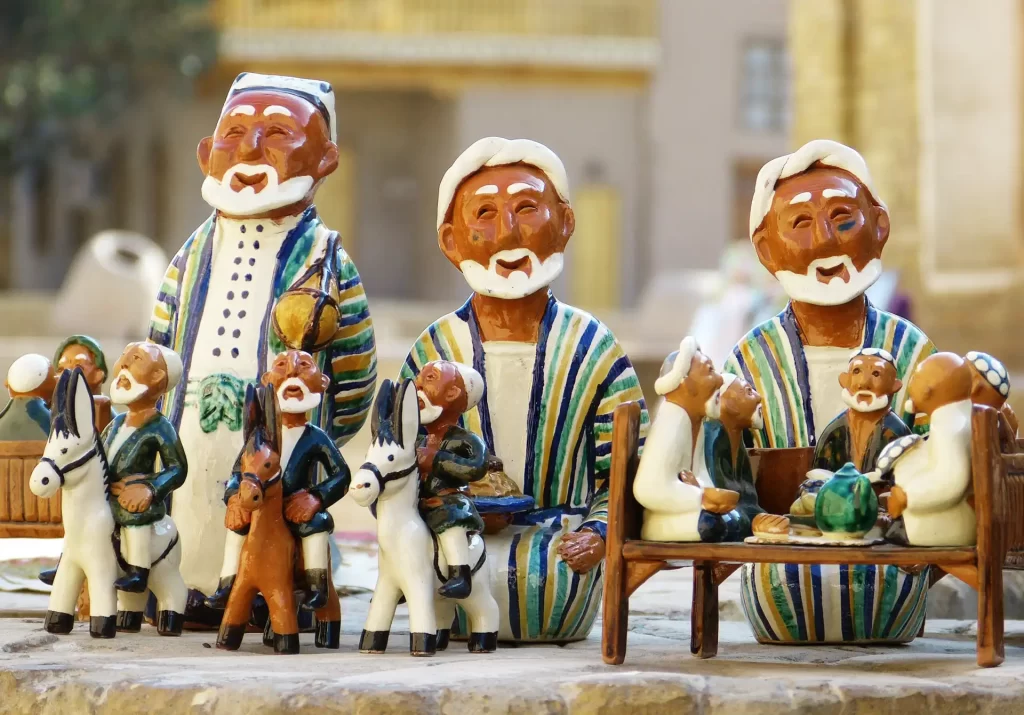
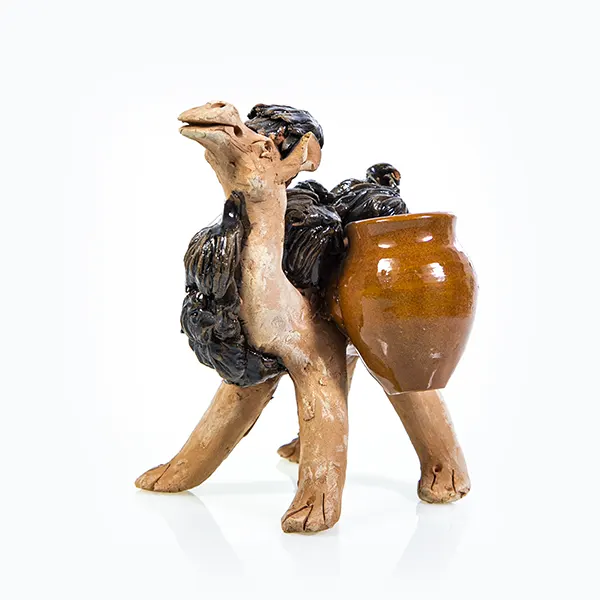
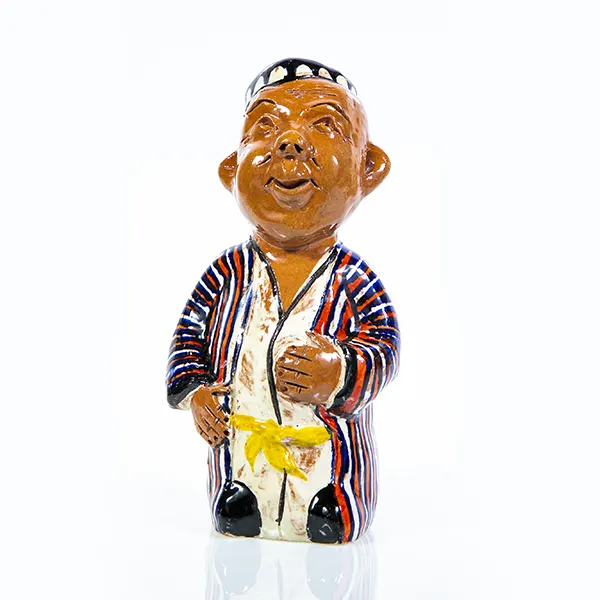
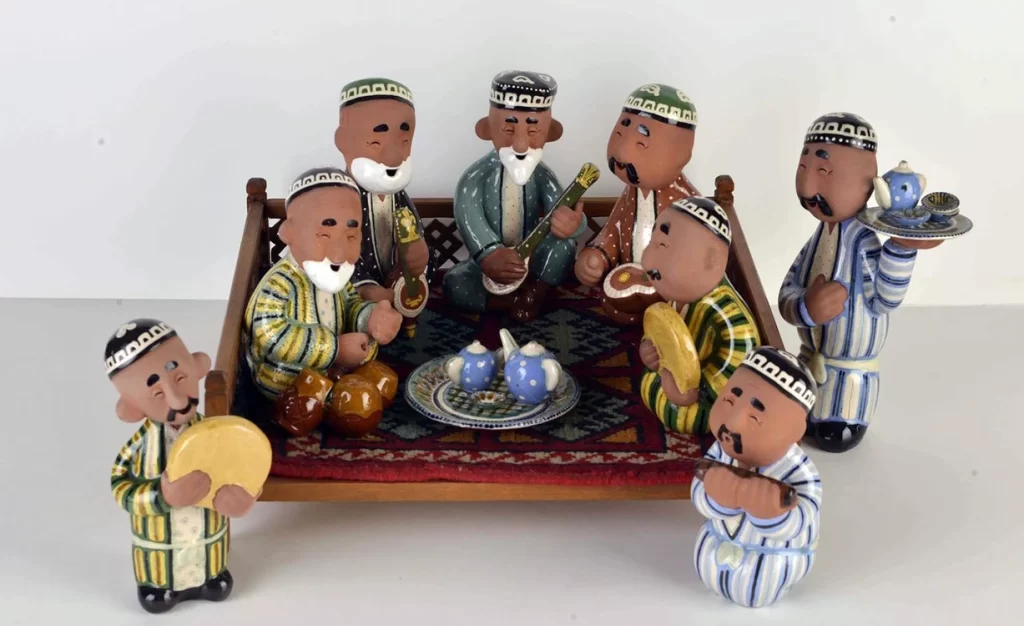
Today, Uzbek dolls also make wonderful souvenirs that tourists take home as memories of Uzbekistan. They are more than keepsakes: each is a piece of culture carrying the warmth of an artisan’s hands and the spirit of the Uzbek land. In the Dolls category on our website, you can find distinctive pieces made by some of Uzbekistan’s finest masters.
Creating Uzbek dolls is more than a craft; it is a whole philosophy. As Leo Tolstoy said, any craft may become a form of human self-expression. Through their work, Uzbek doll makers convey love for their land, respect for tradition and a desire to preserve culture for future generations. The making process is almost meditative, with the craftsperson placing part of their spirit into every detail.
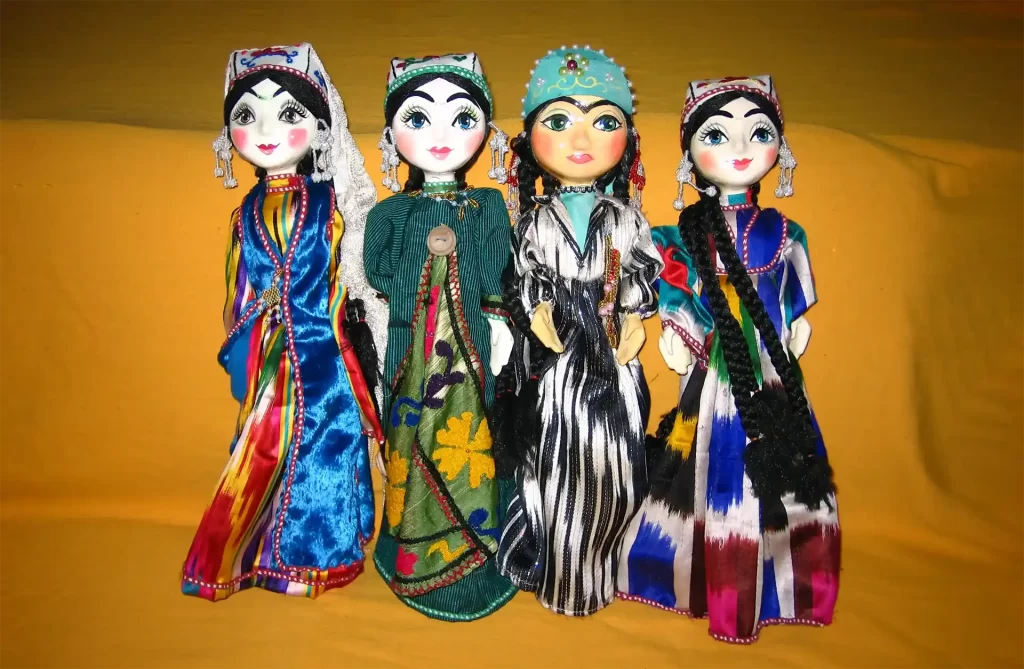
The practical side of this craft is equally important. Masters not only create beautiful dolls but also teach the art to younger generations and pass on their knowledge and techniques. To learn more about Uzbekistan’s traditional crafts, visit the Artisans section of our website.
Uzbek dolls are symbols of the history, culture, and philosophy of the Uzbek people. They remind us of the importance of preserving traditions and passing knowledge and skills from generation to generation. These dolls form a bridge between past and future, connecting generations of Uzbeks and conveying ancestral wisdom.
Uzbek costume jewellery is a distinctive world of vivid colours and graceful forms permeated by
While sitting at home, we often wonder how to make the interior more interesting and
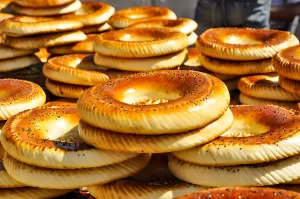
How often has flatbread decided the fate of your lunch? In an age of fast
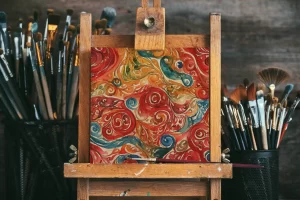
The art of Uzbekistan is a many-sided world that reflects the full range of cultural