
Natural-stone jewellery: sustainability and beauty
Have you ever noticed how everyday concerns consume us? Meals, work calls and small errands

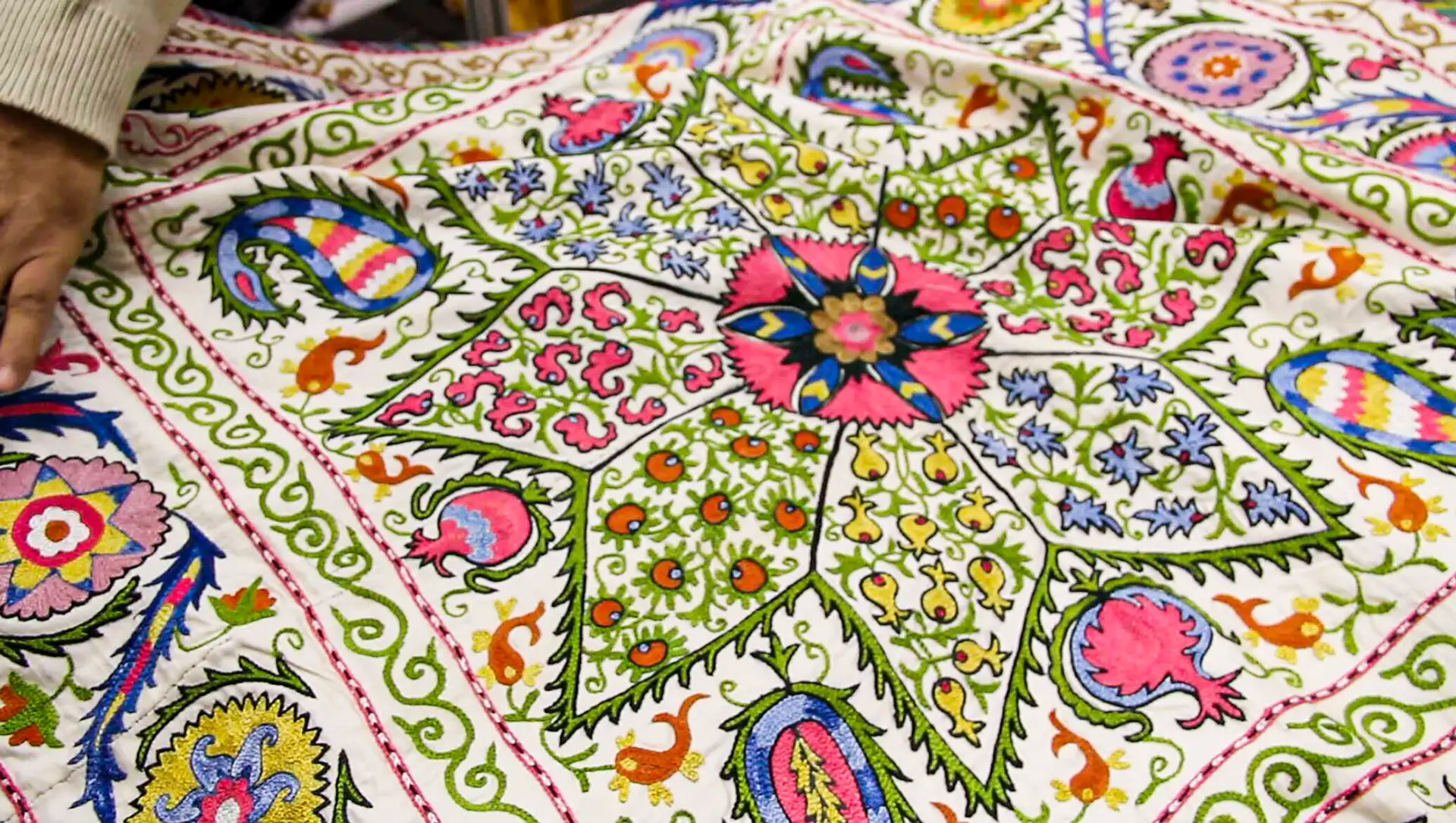
Life is like morning tea in a teahouse: noisy, scented with Eastern spices and certain to contain an unexpected discovery. You seem to go out for onepiala and return with a carpet, ceramic plates and a suzani, as though you have assembled a collection of memories. Visitors to Uzbekistan find more than souvenirs here. They discover true magic—a fragment of the people’s spirit captured in every detail of traditional craftsmanship. Even an ordinary market becomes a treasury in which each item tells a story. When it is time to leave, you realise that you are taking home not merely an object, but a part of a unique culture that will continue to recall the warmth and hospitality of this land.
A modern traveller seeks not merely a souvenir, but a genuine story capable of warming the heart years later. Handmade objects tell such stories with remarkable sincerity. Imagine holding a ceramic piala with a Rishtan pattern. Its ornament reveals not only skill, but also the emotions of a master who devoted years to studying ancient techniques. Every line symbolises something important: abundance, happiness or protection from misfortune. Such objects become more than decorations for the home; they are true guardians of travel memories.
“When I bought a suzani or a knife from Chust, I felt as though I had become part of a great tradition,” recalls Yekaterina, a tourist from Moscow. Her words convey the delight of discovering a unique object. Such souvenirs speak the language of the past and connect people from different eras. Many travellers admit that they return precisely for this feeling.
For travellers visiting Uzbekistan, this is more than shopping. It is a way to touch living history and connect with masters who preserve ancient traditions.
Uzbek craft traditions have a history stretching back thousands of years and remain important in both culture and daily life. Carpets and suzani , for example, are made with techniques passed from generation to generation. Every piece is not only a symbol of life, well-being and prosperity, but also a connection between past and present. Ceramic patterns on pialas and decorative dishes carry deep meanings and enrich any home. These works have always been in demand, especially among travellers on the Great Silk Road, who valued their beauty and usefulness.
Today, craft centres such as the workshops of Rishtan, Gijduvan and the Nurata district have become cultural attractions in their own right. Masters not only continue old traditions there, but also share them with visitors. Guests can observe every stage of production, from mixing clay to applying complex ornament. Some workshops offer special classes where participants can try shaping a jug on the wheel, painting tableware or embroidering a small fabric pattern. This creates a personal connection between artisan and traveller and turns an ordinary trip into a memorable adventure.

Modern travellers increasingly choose sustainable and unique objects. They want something special that cannot be found in mass production. Handmade work such as metal chasing, wood carving and fine embroidery meets this demand perfectly. These pieces are not merely beautiful; they carry history and character. Objects made from natural materials are especially popular because they are environmentally friendly and retain their appeal for longer. Taking part in workshops has also become a genuine travel trend. Many visitors believe it is better to try making something once than simply to buy a finished object. Pottery and ceramic-painting classes help people feel part of the local culture. Travellers from Europe, Asia and even the Americas gladly learn from craftspeople who generously share their knowledge. They buy pieces directly from the people who make them, supporting local artisans. This not only helps preserve traditions, but also creates a unique bond between maker and buyer.

Uzbek craftsmanship is more than a trade or hobby. It is a whole philosophy reflecting the history, culture and spirit of the people. Every object—a ceramic piala, an embroidered suzani or a finely engraved knife—is a small masterpiece filled with the warmth of human hands and centuries of tradition. Tourists do not simply buy souvenirs; they take home a living part of Uzbekistan. These objects fill their homes with the distinctive atmosphere of the East and recall the hospitality, vivid colours and unforgettable experiences of this remarkable country. This is why Uzbek handicrafts are loved and admired throughout the world.
Have you ever noticed how everyday concerns consume us? Meals, work calls and small errands
How often has flatbread decided the fate of your lunch? In an age of fast
Every Uzbek carpet is more than a home decoration; it is a story woven into
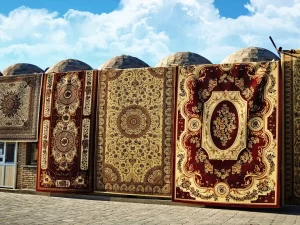
Uzbekistan’s artisans are guardians of unique traditions whose roots reach deep into the past. Carpets