
Reviving tradition: Uzbek costumes in modern fashion
“When old customs seem forgotten, they unexpectedly return to inspire us again.” This is true

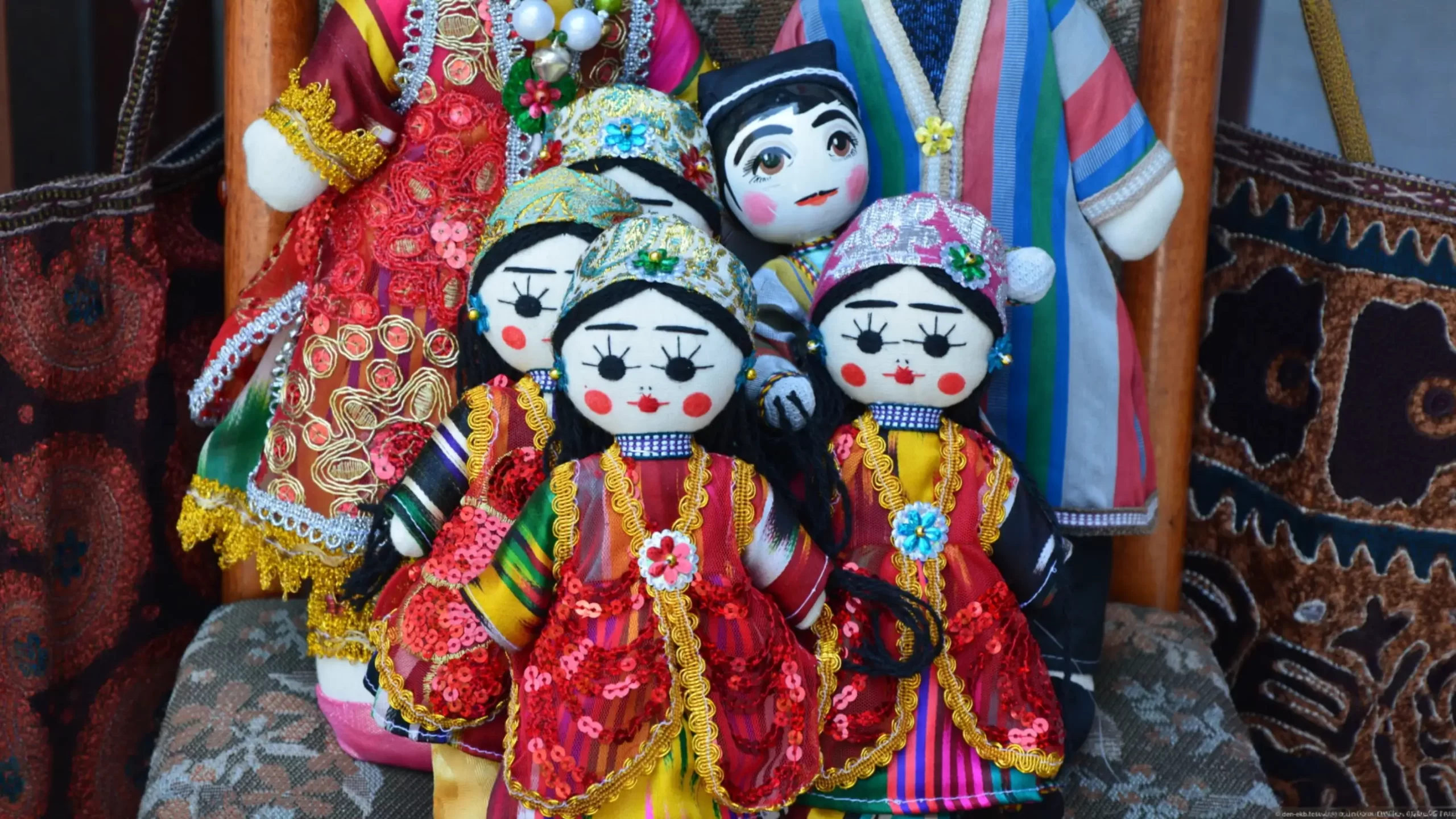
Dolls are rather like people. They may seem silent, yet their expressions and details sometimes say more than words can convey. For some, they are simply nostalgic toys; for others, they are a true source of inspiration and history. What if every doll not only contains an entire world but also reflects the culture, daily life and character of the people who made it? Perhaps every smile and pattern conceals a legend worth discovering.
The art of doll making in Uzbekistan began with a simple wish to pass on culture and protect the home. The first dolls, made from wood, straw, or fabric, were used as amulets to ward off evil spirits and attract good fortune. These simple but meaningful objects became an integral part of daily life.
As craftsmanship developed, dolls began to serve other purposes. Children used them in games and entered imaginary worlds by inventing stories for their dolls. Over time, artisans realised that dolls could become characters in theatrical performances. Shadow theatre was especially popular during the Middle Ages. These productions enchanted audiences with stories of bravery, love and wisdom.
Dolls were made by hand with love and close attention to detail. In the twentieth century, when traditions began to revive, artisans opened new creative horizons. They experimented with materials: ceramics added refinement, textiles brought variety to the clothing, and wood became the basis for complex structures. Every object developed into a unique work of art telling its own story.
Creating a doll is a process comparable to painting a picture:

“How do you know when the doll is finished?” “When it starts looking at you from the shelf. It is like falling in love—you simply feel it.”
Masters often draw ideas from daily life. A bazaar seller, a grandmother sitting beside a teapot, or a boy flying a kite can all inspire a new character.
Today, Uzbek dolls are not merely souvenirs, but genuine works of art that become part of an interior. Their bright costumes, ornamented fabrics, embroidery and distinctive facial expressions fill a home with warmth and comfort. Such a doll can create a special mood and add colour to everyday life. Imagine a doll in a traditional robe with a neatly embroidered belt becoming the focal point of a living room and giving the space an ethnic character. In a child’s room, it can inspire imagination. Every detail, from the fabric of the clothing to the expression on the face, tells its own story and awakens interest in the culture and traditions of Uzbekistan.
To preserve the dolls’ beauty:
“Every Uzbek doll is unique, almost as if it has a soul,” says a visitor to an exhibition in Samarkand. She continues: “Each seems ready to tell its story if only you listen. They are all so different, with bright clothes and lively expressions, like little messengers from the past.”
“Watching a doll come alive in the master’s hands felt like real magic. I was amazed by the attention to detail. As the final touches were added, the doll seemed to awaken before my eyes. It was an unforgettable moment I would gladly experience again.”

Uzbek dolls are not simply objects to place on a shelf. They are stories carried through generations, like small books without words. Every doll links past and present, bringing culture and art into a single composition. These miniature masterpieces preserve the warmth of their creators’ hands and a fragment of tradition in every detail. Each fold of fabric and every brushstroke speaks of the maker’s devotion. The doll is not merely decoration, but a symbol of national pride that helps preserve Uzbekistan’s distinctive cultural heritage.
“When old customs seem forgotten, they unexpectedly return to inspire us again.” This is true
Curiously, wooden kitchen utensils often become a focal point not only in the kitchen but

“Lost your earrings again?” asked her husband, trying to hide his surprise. Did you know
“Just imagine: an ordinary morning, a cup of tea, and suddenly the realisation that your