
Uzbek ceramics in the restaurant business: how Uzbek pottery enhances the atmosphere
An ordinary breakfast is simple: eggs, coffee, and a little bread. Yet in a restaurant

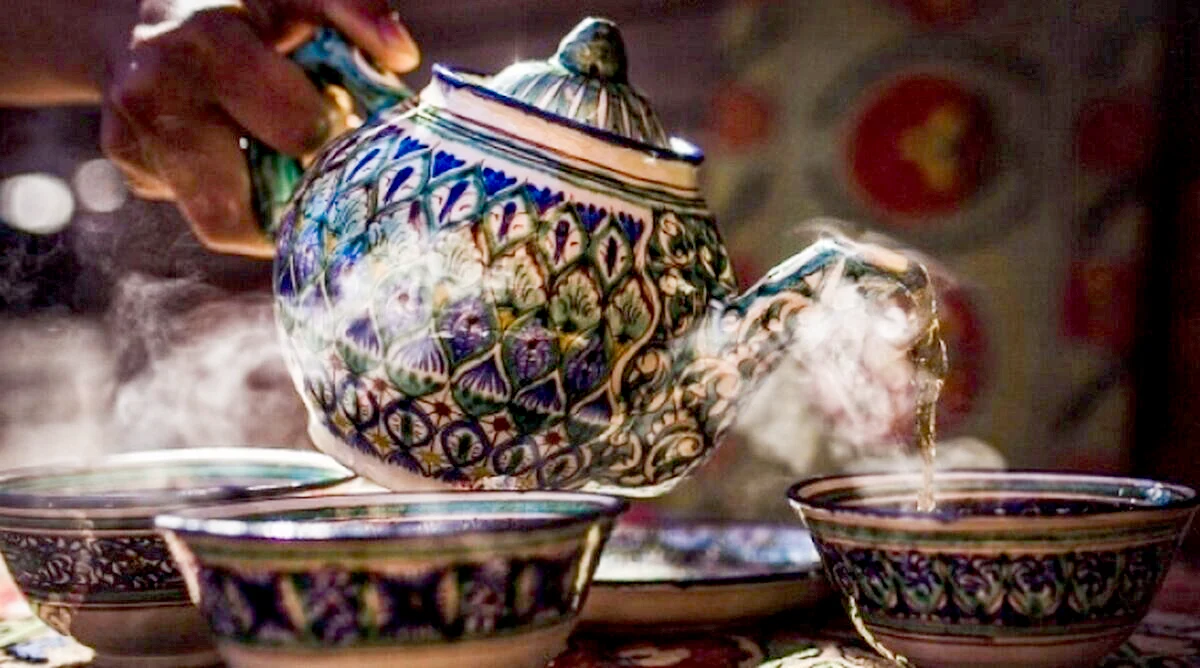
Think for a moment: moment: is it not remarkable that one of the most ordinary moments of the day—drinking tea—can become a doorway into a fascinating world of tradition? In Uzbekistan, green tea is more than a beverage. It is a symbol of hospitality, wisdom and harmony. It unites generations, connects people and reaches into the very heart of the culture. This simple drink can tell stories and build bridges between tradition and modern life. Uzbek green tea is more than a culinary experience; it is a spiritual journey beginning with the first sip. Imagine the aroma of freshly brewed tea served in an elegant ceramic piala and the comfort it brings, like a warm embrace.
Green tea reached Uzbekistan more than a thousand years ago. Its journey began in distant China, and Silk Road caravans carried it to the heart of Central Asia. The drink quickly became an inseparable part of daily life and absorbed the spirit of hospitality and the warmth of Eastern tradition. The teahouse, or chaikhana—a special place for conversation and rest over a cup of tea—can rightly be called a living heritage of Uzbek culture. Important discussions take place there, news is exchanged and creative ideas are born. People gather to feel part of one large family.
A master from Samarkand explains: “For us, the chaikhana is a second home. We meet friends there to discuss life, remember earlier times, and enjoy fragrant tea. It is always warm and peaceful, as if time has stopped.”

In Uzbekistan, brewing tea becomes a true ritual filled with warmth and tradition. Ceramic teapots and pialas are used, decorated with beautiful patterns reflecting the region’s rich history. Like the tea itself, these objects are often handmade, which gives them special value. Local artisans may spend hours turning each piala into a small work of art. Such pieces can be found in specialist shops that bring together objects made with care and skill. Teapots and pialas are not only practical; they add beauty to the brewing process and turn it into a distinctive experience.
A step-by-step tea-brewing ritual:
Green tea has many beneficial properties that make it a valuable addition to the daily diet. It is rich in antioxidants, which help protect the body’s cells and slow ageing processes. The drink can support immunity, reduce stress and aid digestion. Regular consumption of green tea may help improve metabolism and maintain a healthy weight. It can also support cardiovascular health by helping to lower harmful cholesterol and regulate blood pressure. It is an excellent choice for people who wish to preserve health, energy and mental clarity.

In Uzbekistan, tea is offered to guests first as a sign of respect and friendliness. Refusing a cup may be considered impolite.
Travellers’ reviews confirm this:
Green tea is becoming increasingly popular today because of its beneficial properties. The drink may support digestion and help maintain the immune system. It is ideal for anyone who wants to relax after a demanding day or gain energy in the morning. Nutrition specialists around the world recommend including green tea in a daily diet, highlighting its antioxidant properties and positive effect on general wellbeing.
One customer notes: “The large-leaf tea has a rich flavour. I brew it every day, and it is wonderfully refreshing.” The comment shows how high-quality green tea can become part of daily life and provide energy and enjoyable moments.
Special mention must be made of the ceramic pieces Uzbek artisans create with close attention to detail. tea sets sets, for example, can transform an ordinary tea break into a genuine aesthetic pleasure. Each set is more than tableware: it is a small work of art combining rich traditions with modern design. Hand-painted patterns expressing characteristic national motifs are especially valued. These objects are made not only to fulfil a practical purpose, but also to decorate the home and add comfort and warmth to any space.

Green tea is more than a drink; it is a philosophy combining tradition, health and comfort. In Uzbekistan, it has become a symbol of hospitality, calm and harmony. Every cup fills the day with warmth and the home with the fragrance of custom. Green tea helps a person relax while also feeling part of something larger—a rich culture passed from generation to generation. For a special experience, let your next cup become a moment of inspiration and joy. Uzbek green tea is a gift for body and spirit that is difficult to forget.
An ordinary breakfast is simple: eggs, coffee, and a little bread. Yet in a restaurant

Tired of sameness? That familiar feeling in front of the wardrobe. Another morning brings the
Dolls are rather like people. They may seem silent, yet their expressions and details sometimes
Batik is more than cloth; it is a genuine work of art embodying centuries of