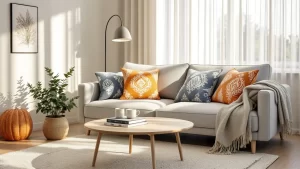
Eastern traditions at home: Uzbek fabrics for the perfect interior
“Every morning at home feels like a school break: everyone runs about, makes noise, and

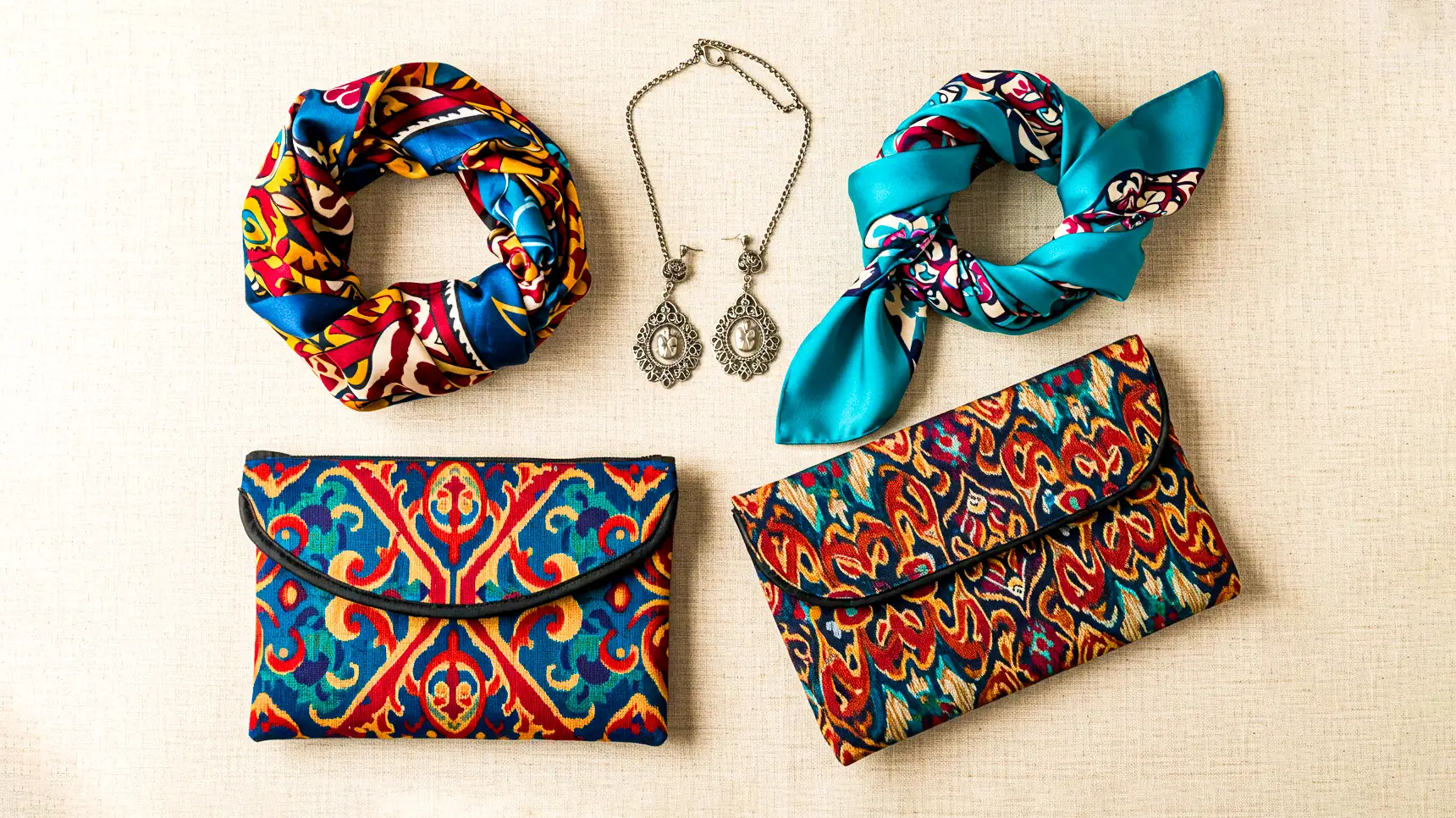
Another morning brings the same familiar feeling in front of an open wardrobe. There are dozens of garments, yet, as usual, nothing to wear—or rather, nothing you want to wear. Everything feels somehow identical, as if it came from a global fast-fashion conveyor belt: faceless and predictable. Familiar? You look at the rows of hangers and realise that the wardrobe is overflowing but individuality is missing. You want something genuine, with character and history—something that is more than clothing, something that makes a statement.
Deep inside is a desire to stand apart from the crowd not through loud provocation, but through subtle style—to find the one object that reflects your inner world and your attraction to beauty and originality. Perhaps you dream of bringing home from a journey not an ordinary magnet, but something truly valuable that recalls the sunshine, colour and skill of distant lands. You want to add vivid colour and genuine art to your life, but feel lost among the identical offers of the mass market. You need more than clothing; you need an emotion and a story that can be worn.
And then, like a mirage in the desert, it appears – contemporary Uzbek fashion. Forget dusty chests and old-fashioned associations. Today’s Uzbek designers are bold artists who take the priceless heritage of their homeland and weave it into the rhythm of the twenty-first century. They are not afraid to experiment, combining ancient weaving techniques such as the legendary ikat and adras, with contemporary silhouettes and tailoring. It is an invitation to a world where East meets West not on a battlefield but in a harmonious dance across silk and cotton. It is a journey through bright colours, intricate patterns and remarkable energy.
How does this magic happen? Designers immerse themselves in archives, speak with hereditary artisans and learn dyeing and weaving secrets passed down from generation to generation. They carefully preserve the authenticity of the patterns while giving them a new voice. Imagine a formal business jacket made from shimmering khan atlas, where every colour tells a separate story. Or a light, loose-fitting summer dress decorated with adras geometry that fits perfectly into the urban landscape.
This is not simple copying of the past, but reinterpretation. Craftspeople and designers search for balance. As one fashion designer said in a recent interview: ‘We want the world not only to see a beautiful fabric, but to feel the spirit of our people, their warmth and hospitality.’ And the world is noticing. Visitors to Uzbekistan increasingly seek not only the architectural masterpieces of Samarkand and Bukhara, but also the showrooms of local designers. Social media is filled with photographs of travellers wearing distinctive outfits with Uzbek motifs. Word of mouth spreads the message: a new and original fashion is emerging in Uzbekistan.
A conversation in a Tashkent workshop comes to mind:
“This pattern—it seems alive!” says a tourist from Italy as she admires the fabric.
“This is ikat,” the designer replies proudly. “A machine cannot repeat it. Every thread is dyed by hand before reaching the loom. It is meditation embodied in fabric.”
And people find what they were looking for. They receive not merely an item of clothing but an artefact charged with the energy of handwork and ancient tradition. Wearing an ikat jacket or a handmade silk scarf gives a person a sense of individuality. These pieces attract attention, prompt questions and compliments, and become conversation starters—a bridge between cultures.
Elena from Moscow writes in her SilkGranat.uz review: “I ordered “I ordered a modern-cut adras chapan. It is wonderful! I wear it with jeans and with dresses and feel like a queen. Most importantly, nobody else has anything quite like it. Thank you to the artisans for this beauty.”
This uniqueness and authenticity are precisely what attract discerning travellers. They are willing to journey thousands of kilometres to watch silk being made in silk choose their own length of ikat or commission an outfit from a local designer. Fashion is becoming a powerful driver of tourism, presenting Uzbekistan not only as a guardian of antiquity but also as a dynamically developing country with immense creative potential. These pieces are among the finest souvenirsto bring home from a journey.

Of course, the path to uniqueness is not always strewn with roses. Authentic handmade pieces created with natural dyes and traditional techniques cannot be cheap. Their price reflects not only the materials but also countless hours of painstaking work, talent and the experience of artisans. It is an investment in art and quality that can bring pleasure for years.
Second, such fabrics require careful treatment. Natural silk or hand-dyed cotton will not tolerate harsh washing or drying in scorching sunlight. You will need to master gentle hand washing in cool water or entrust the item to a professional dry cleaner. Yet is that not a small price for owning a genuine treasure? True beauty, after all, requires attention and care. Once you know an object’s story, looking after it becomes a pleasant ritual.
You return to ordinary life, yet something has subtly changed. Your wardrobe has gained not simply a new garment, but a source of inspiration. An ikat jacket instantly transforms plain jeans and a white T-shirt, adding elegance and individuality. An adras dress becomes a secret weapon for special occasions or simply a way to lift your mood on a grey day. These pieces fit easily into a modern wardrobe and make it richer and more interesting. You no longer merely follow fashion—you create a style filled with meaning and beauty.


Contact with contemporary Uzbek fashion changes you. You begin to value handwork, the history of objects and original design. Your view of fashion broadens, and you understand that clothing can be more than a function: it can be art, self-expression and a connection with culture. You become part of the global movement towards conscious consumption and support for local artisans.
Today’s Uzbek designers are ambassadors of their culture. They show the world that tradition is not a frozen form, but a living source of inspiration capable of enriching modern life. Their work resonates with lovers of beauty around the world and attracts a new flow of visitors to Uzbekistan in search of authenticity and artistry. Looking at this vivid, original movement, one understands that Uzbek fashion is not a passing trend, but a phenomenon that will remain with us. Are you ready to add a little Uzbek sunlight, colour and spirit to your life?
“Every morning at home feels like a school break: everyone runs about, makes noise, and
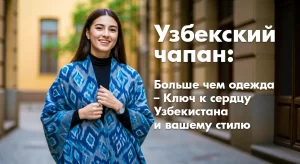
You know how certain things suddenly rise out of everyday life and make you smile?
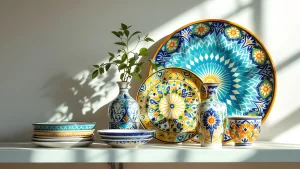
What do our homes and the road to work have in common? Boredom. Walls, tables

An ordinary breakfast is simple: eggs, coffee, and a little bread. Yet in a restaurant