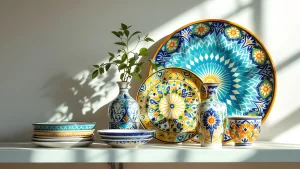
East meets West: how Uzbek crafts fit into a modern European interior
What do our homes and the road to work have in common? Boredom. Walls, tables

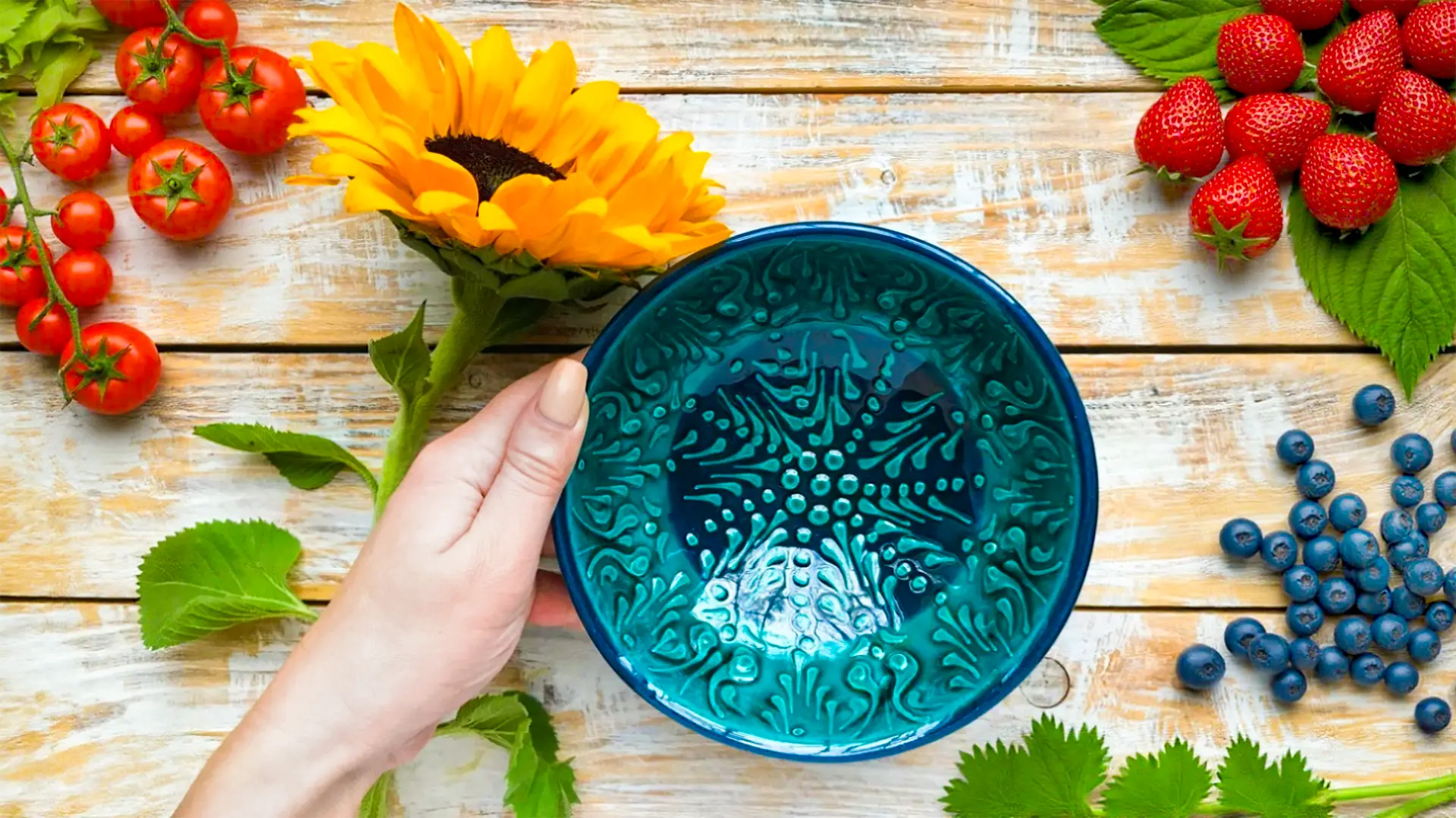
Have you ever noticed how carefully artisans treat their creations? They protect and cherish them like rare treasures. Then the objects reach buyers who, without understanding their needs, put them into washing machines, leave them in direct sunlight, or simply ignore the rules of storage.
Then comes the shock: an Uzbek carpet loses brightness, a ceramic piala develops cracks, and wooden tableware swells and splits.
Let us look Top 7 mistakes in caring for handmade productsfor handicrafts—mistakes best never repeated.
“I always washed my silk blouse with ordinary clothes until it turned into an unrecognisable lump of fabric,” one customer complains.

Silk is the king of fabrics, and its care should Washing in hot water is a direct route to deformation is a direct route to distortion and lost lustre. Harsh chemicals in detergents can also damage the fabric’s structure, causing it to lose softness and shine. Over time the fibres become thinner and the item more vulnerable to tearing. This is especially important when caring for khan atlassuch as khan atlas, known for its unique patterns and complex production technique.
✅ Correct method:
☝️ Good to know: Uzbek silk khan atlas silk is handmade and requires especially gentle care.
“I put my favourite piala in the dishwasher, and it came out covered in a network of fine cracks.”

Unglazed and glazed ceramics require different care. Dishwashers A dishwasher and abrasive sponges can destroy the protective layer and spoil the appearance. High temperatures during machine washing may also cause microcracks through which moisture enters the piece and reduces its durability. This is especially relevant to traditional Uzbek ceramics, knownfor their vivid painted decoration.
✅ Correct method:
“I bought a beautiful carved tray, but after a year the wood began to separate.”

Humidity and sudden temperature changes damage wood. Uzbek artisans use walnut, mulberry and elm, but even these durable woods need care. Wood absorbs moisture from the air, which can cause warping, swelling or cracking. This is especially important for kitchenware that frequently comes into contact with water.
✅ Correct method:
“I cleaned an antique bronze vase with tile cleaner, and now it is covered in stains.”

Antique objects made of metal, wood and ceramics cannot tolerate harsh chemicals. A care mistake can cause irreversible damage. Household cleaning products may contain acids that attack the structure of antique objects and alter their colour and texture.
✅ Correct method:
“I stored an Uzbek carpet rolled up on the balcony, and six months later it had lost its colour and fresh smell.”

Handmade carpets are vulnerable to damp, sunlight and insects. They require not only special storage but also regular care, including airing and proper cleaning. Handmade carpets can retain their beauty for decades when cared for properly.
✅ Correct method:
“I left my Chust knife wet overnight, and by morning it was covered in rust.”

Hand-forged knives require special care. Chust knives are made from strong carbon steel, which is nevertheless vulnerable to corrosion.
✅ Correct method:
“I ironed an embroidered tablecloth, and all the patterns became flat and lifeless.”

Traditional Uzbek embroidery is a unique artthat needs special treatment. Incorrect ironing can flatten the texture and fade the pattern.
✅ Correct method:
Gentle care shows respect for the artisan’s work and preserves beauty for years.
🔗 Find more useful advice and exclusive products on SilkGranat.uz.
What do our homes and the road to work have in common? Boredom. Walls, tables

When the kitchen dozes and the spices yawn. Every morning I open the cupboard where
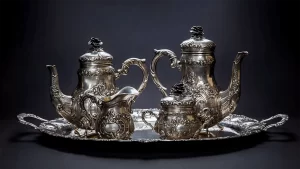
Anyone who thinks antiques belong only in museums or private collections is mistaken. Uzbek antiques
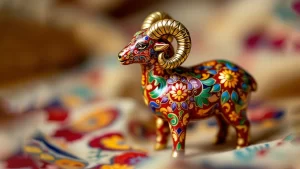
Have you ever wondered what became of the toys from your childhood? Recall a simpler