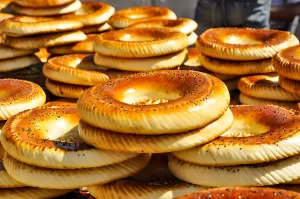
The story of Uzbek flatbread: from history to your table
How often has flatbread decided the fate of your lunch? In an age of fast

Have you ever wondered what became of the toys from your childhood? Recall a simpler time of clay dolls and animal-shaped whistles handmade by artisans. These toys, once an ordinary part of childhood, are returning to fashion among collectors and admirers of traditional art.
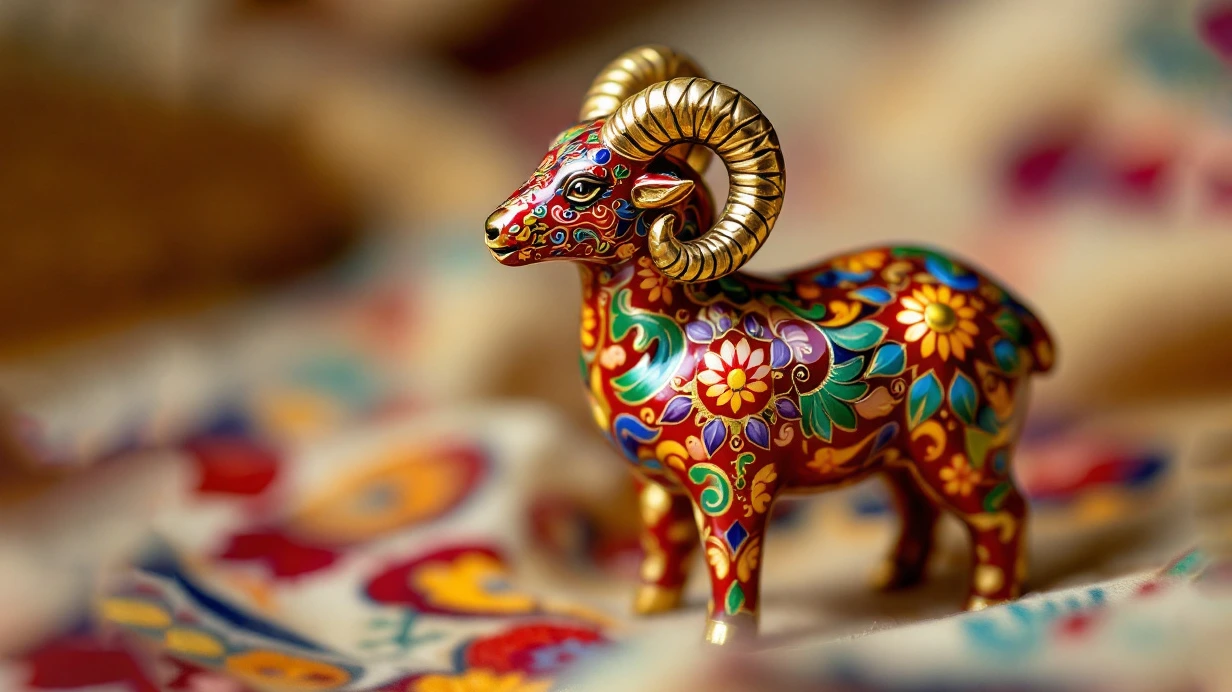
Traditional clay toys from Uzbekistan are a unique heritage preserved since ancient times. Their roots reach back thousands of years, and they carry a rich history and cultural symbolism. Often shaped as animals or fantastic creatures, these clay toys were known as hushtak, or whistles, and held special meaning in Central Asian culture. People believed that their sound drove away evil spirits and brought the “water of mercy”, the long-awaited spring rain.
Toy making was practised throughout the country, especially in places such as Samarkand, Bukhara, and Uba. Masters used traditional moulding and firing methods and passed the secrets of the craft from generation to generation. Clay toys were not only part of children’s games but also served as talismans believed to protect against harm and bring good fortune to the home.
Clay toys from Uzbekistan were more than playthings. They formed part of rituals and traditions; for example, children received them during Navruz in the belief that their whistles would bring fertility and protection from misfortune. Every region had its own distinctive motifs and forms. In the Bukhara region, for instance, master Kubaro Babayeva continues the tradition by creating animal figures whose style and detail resemble ancient archaeological finds.
Toys often depicted animals, fantastic creatures, riders, and scenes from daily life. Despite their simplicity, these figures possessed remarkable artistic value. Even small whistles with ornamental details captured the atmosphere of Uzbek markets and villages filled with life and vivid colour.


Clay toys are once again becoming popular with collectors and art lovers. In an age of mass production and technological gadgets, people increasingly seek objects carrying the warmth of human hands and a story. These simple yet kind-hearted toys have become symbols of authenticity and sincerity. Collectors gladly acquire babaychik figures—cheerful little people in traditional Uzbek dress depicting scenes from everyday life: an old man with a flatbread, a man carrying a watermelon or a rider on a donkey.
Figures from Samarkand and Bukhara are especially popular. Masters there continue to develop traditional work, adding modern details while preserving a recognisable style and technique. Such toys make excellent gifts and can serve both as interior decoration and as reminders of Uzbekistan’s rich culture.
Proper care helps clay toys last and remain attractive. First, avoid contact with water, because clay can absorb moisture and lose strength. Wipe the figures regularly with a dry, soft cloth to remove dust. Keep them in a dry place away from direct sunlight so that the colours do not fade. If a toy is glazed, it may be wiped gently with a slightly damp cloth.
Interest in Uzbekistan’s traditional crafts is now growing among both local residents and international tourists. SilkGranat.uz offers many unique objects, including clay toys and other examples of traditional art. Uzbek artisans are in the international spotlight, and their work is increasingly collected and displayed at exhibitions around the world.
Dolls in national dress are also popular. They are handmade and form an integral part of Uzbek culture. Such dolls are used not only as toys but also as vivid decorative accents that bring the atmosphere of the East and traditional aesthetics into an interior.
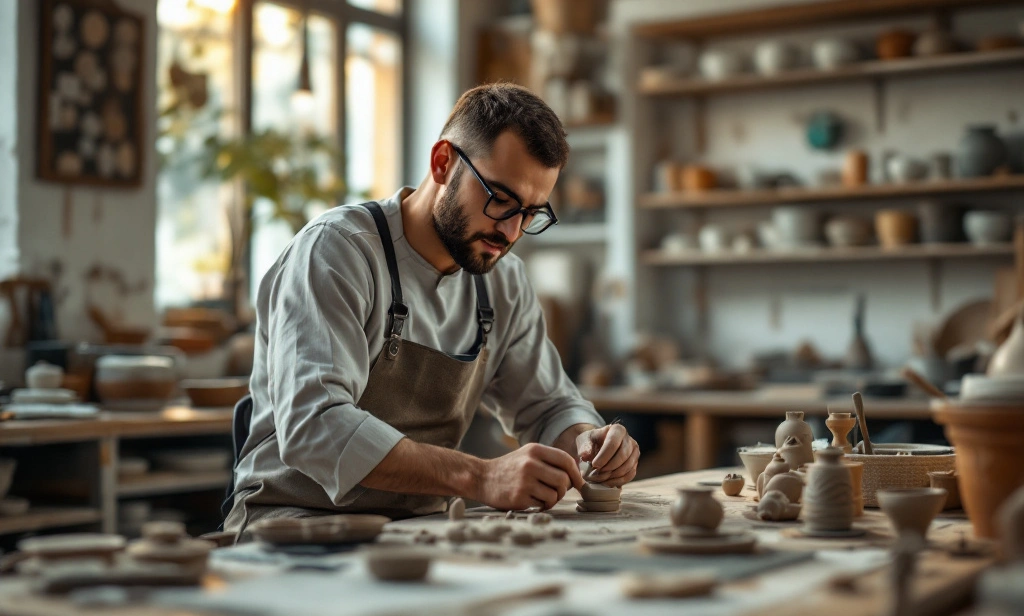
Clay toys from Uzbekistan are far more than children’s entertainment. They are an important part of cultural heritage, connecting generations and passing on unique traditions and knowledge. Every toy is a small masterpiece that tells its own story and carries a little of the maker’s spirit. In a world increasingly dominated by standardised goods, these toys remind us how important it is to preserve and value tradition.
Clay toys from Uzbekistan are genuine treasures that unite history, culture and art. They continue to live on, delighting both children and adults and reminding us that true art is created by hand and heart. Perhaps that is why their popularity grows every year and their value as a cultural symbol only increases. To connect with authentic heritage, visit SilkGranat.uz and discover the world of Uzbekistan’s traditional arts.
How often has flatbread decided the fate of your lunch? In an age of fast

People are curious creatures: we buy a fridge magnet on every journey but can never

You know how certain things suddenly rise out of everyday life and make you smile?
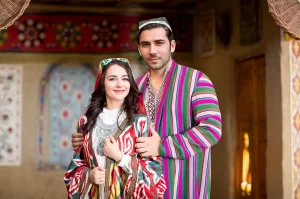
Uzbek clothing is a vivid symbol of the country’s culture, history and rich traditions. Over