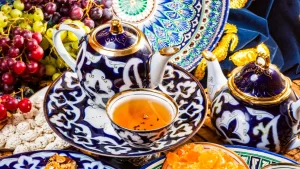
Why Uzbek tableware is central to an authentic tea ceremony
At first glance, tea may seem like an ordinary drink consumed every day. In Uzbekistan,

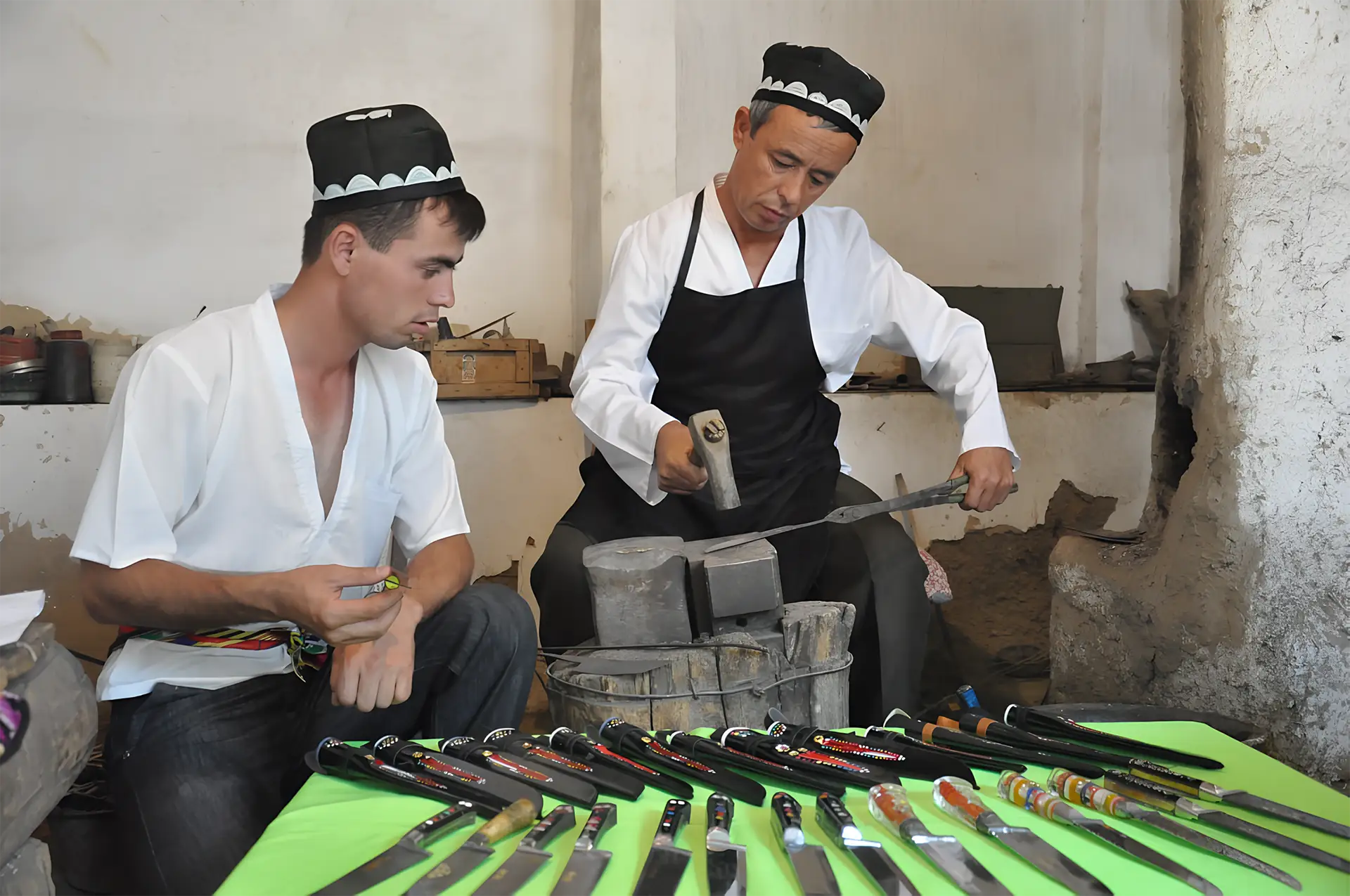
Uzbek knives are not only tools for everyday work but also works of art reflecting the country’s rich culture and traditions. This article explains how famous Uzbek knives are created, from selecting raw materials to transforming them into refined pieces of craftsmanship.
The making of an Uzbek knife begins with careful selection of high-quality materials. Carbon steel is most often used for the blade because it provides excellent strength and sharpness. Experienced masters choose the metal according to its properties and its conformity with traditional standards.
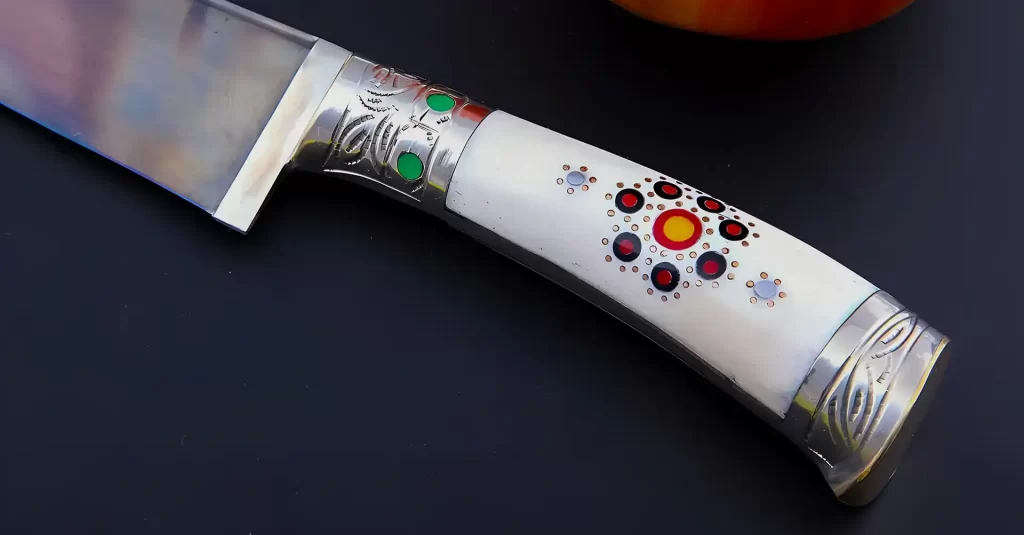
Natural horn, wood, or bone is used for handles. Uzbek masters decorate them with national ornaments, giving every piece a distinctive appearance. Brass and silver are often added for refinement.
After materials have been chosen, forging begins. Drawing on centuries-old tradition, blacksmiths heat the metal to a high temperature and shape it. The complex process involves repeated heating and cooling, giving the blade the required strength and flexibility.
After forging, the knife is hardened. The metal is heated and then rapidly cooled in water or oil to give it the necessary hardness and flexibility. Proper hardening is what makes Uzbek knives durable and sharp.
Once a blade has been forged and hardened, it is ground and polished. Grinding gives it an ideal shape and sharpness, while polishing creates a smooth, bright surface. Masters use different tools to form a fine, even edge. Polishing also protects the metal from corrosion and improves the knife’s appearance.
After finishing the blade, masters make the handle. Traditional Uzbek knives often have handles of apricot or walnut wood. These materials are strong and also give the piece a special aesthetic character.
The handle is shaped, polished, and decorated with carving or metal inserts. National patterns make every knife individual and emphasise its connection with Uzbek culture.
The final stage includes engraving the blade. Different patterns and inscriptions can be applied to give the knife an individual character. Ornaments associated with Uzbek culture add special expression and meaning. Some knives feature plant motifs that symbolise fertility and prosperity.
Examples of Uzbek knives are available in SilkGranat’s Chust Knives section, where the work reveals the skill of Uzbek blacksmiths.
The final stage is sharpening. Masters use whetstones to give the blade an exceptional edge. The knife is then placed in a handmade leather sheath, making it convenient and safe to store and transport.
To learn more about Uzbekistan’s traditional crafts, visit the Antiques section on SilkGranat, which presents distinctive objects connected with regional culture and history.
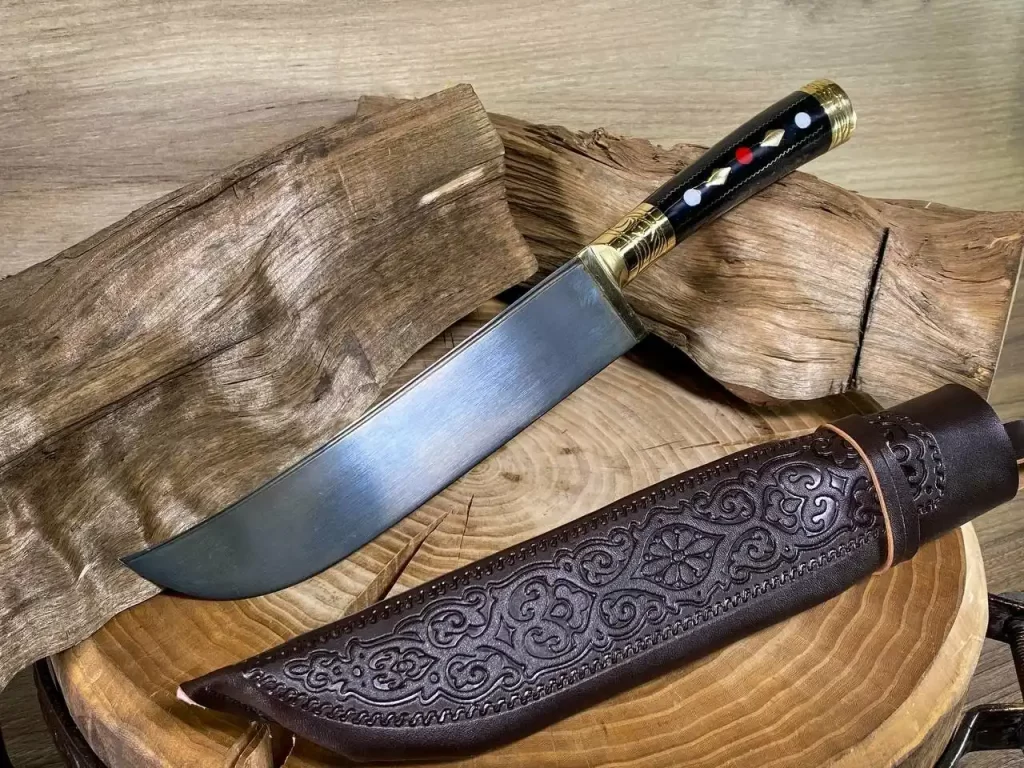
Making an Uzbek knife is a complex and painstaking process with many stages, from selecting materials to the final decorative finish. Every Uzbek knife is a symbol of tradition, culture and skill that transforms a simple tool into a work of art. Durability and a distinctive design make these knives sought after and loved both in Uzbekistan and abroad.
For those wishing to discover traditional crafts, SilkGranat offers many interesting products, including suzani embroidery and headdresses thatreflect the region’s rich culture.
At first glance, tea may seem like an ordinary drink consumed every day. In Uzbekistan,

Think for a moment: moment: is it not remarkable that one of the most ordinary
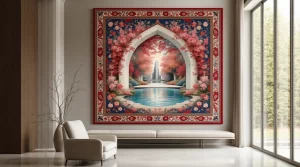
Every Uzbek carpet is more than a home decoration; it is a story woven into
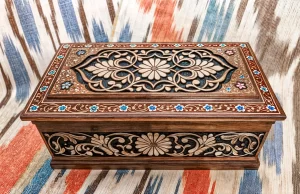
Have you ever wondered what magic is hidden in an ordinary wooden spoon or carved