
Woodcraft: creating unique decorative pieces
Woodcraft not only preserves a rich history but offers living proof of the skill of


Traditional suzani embroidery is more than a beautiful textile. It carries a profound history through ancient patterns and symbols that have decorated homes and filled them with meaning for centuries. Suzani is one of Uzbekistan’s best-known folk arts, symbolising a rich culture and spiritual bond with ancestors. In this article, we explain the meaning of suzani symbols and explore its history and cultural heritage, which it preserves and passes on to new generations.
Suzani is traditional Uzbek embroidery worked on cotton or silk and often used to decorate walls, beds, cushions and covers. It is characterised by complex patterns, bright colours and symbolic motifs with deep meaning. The word suzani comes from the Persian word suzan, meaning “needle”, emphasising the importance of this tool in creating the designs.
The history of suzani embroidery reaches back to ancient times. This art has existed for centuries, and every detail carried a special meaning. Embroidery was traditionally made by women and passed from mother to daughter as an important part of a bride’s dowry. Suzani was used to protect the home and family from evil spirits and also symbolised wealth and wellbeing. Its patterns are often linked to ancient beliefs and folk wisdom, making suzani an inseparable part of Uzbek culture.
Every pattern and symbol used in suzani carries a special meaning. Here are the most popular motifs and what they represent:

Flowers are among the most common elements in suzani. Roses, poppies, and lotuses appear especially often and symbolise love, beauty, and spiritual enlightenment. The lotus represents purity and harmony, while roses stand for love and passion.
Birds in suzani symbolise freedom, hope, and a connection between earthly and spiritual worlds. Peacocks, regarded as signs of beauty and majesty, are common. Birds also often appear in pairs to represent fidelity and family happiness.
The sun and stars are powerful protective symbols. The sun represents light, warmth, and protection from evil spirits, while stars are associated with hope and a bright future. These elements often appear at the centre of a suzani to give it symbolic power and bring protection and good fortune to its owner.
The pomegranate symbolises fertility, wealth, and abundance. Its bright seeds represent prosperity and joy. In suzani, it is also often associated with wishes for a happy marriage and many descendants.
Traditional suzani is embroidered by hand, making every piece unique. Artisans use a variety of stitches, including chain stitch and stem stitch, to create intricate, detailed patterns. Suzani may be worked on cotton or silk with natural threads dyed by hand, which gives the finished embroidery exceptional brightness and richness.
Suzani remains an important part of Uzbek culture today. It decorates homes, is given as a gift and is used in contemporary interior design. Many artisans continue the tradition of making suzani, preserving and developing the art. To acquire a unique piece made by Uzbek masters, visit the Suzani Embroidery section on SilkGranat.
When choosing a suzani, pay attention to the quality of the fabric, the brightness of the colours and the complexity of the patterns. Authentic suzanis are usually made by hand, and every detail has its own meaning. It is advisable to buy from trusted artisans or specialist shops such as Uzbek Artisans and Masters of Traditional Arts — SilkGranat, which offers many unique pieces made in the finest traditions.

Suzani is more than decoration; it is a true symbol of Uzbek culture. Every pattern and every stitch carries deep meaning and forms part of a heritage passed from generation to generation. Traditional embroidery remains alive today thanks to artisans who preserve and teach this art, filling our homes with beauty and harmony.
To purchase an authentic suzani or other distinctive work by Uzbek masters, visit SilkGranat’s.
Woodcraft not only preserves a rich history but offers living proof of the skill of
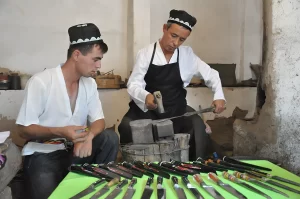
Uzbek knives are not only tools for everyday work but also works of art reflecting
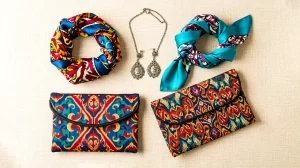
Tired of sameness? That familiar feeling in front of the wardrobe. Another morning brings the

“It seems that beautiful plates live in our homes only for guests, while an old