
The first signs of fake antiques in Uzbekistan: how not to become a victim
Finding an antique can sometimes feel like discovering real treasure. But how can you tell

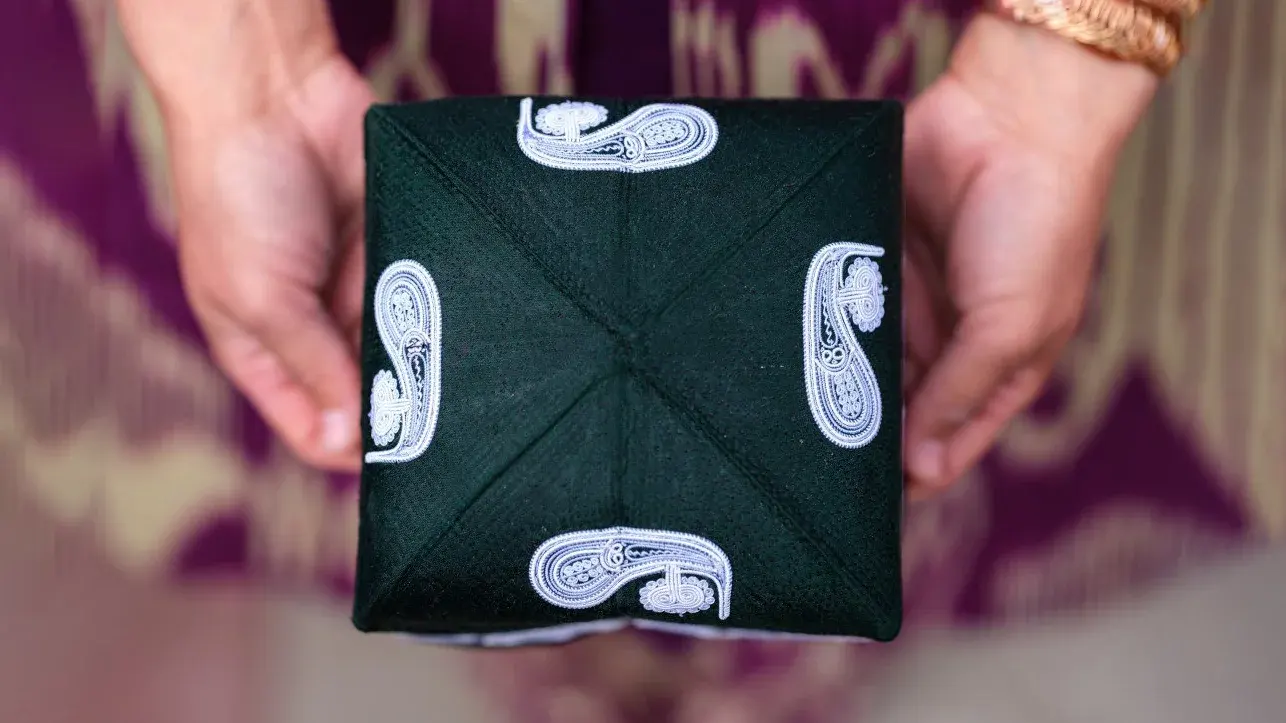
Uzbek embroidery is not merely decoration but a complete language filled with symbols and profound meanings. This is especially true of headwear, which historically protected not only from sun and wind but also from evil spirits while bringing the wearer wellbeing and strength. In this article, we enter the world of patterns, interpret the symbolism of embroidery on Uzbekistan’s traditional headdresses and explain what lies behind every curl and stitch.
Headwear plays an important role in the life of the Uzbek people. It not only protects from intense heat but reflects a person’s identity, social position, age and marital status. The tubeteika, for which Uzbekistan is famous, is one of the symbols of national culture. Its patterns carry centuries of history and concealed meaning.
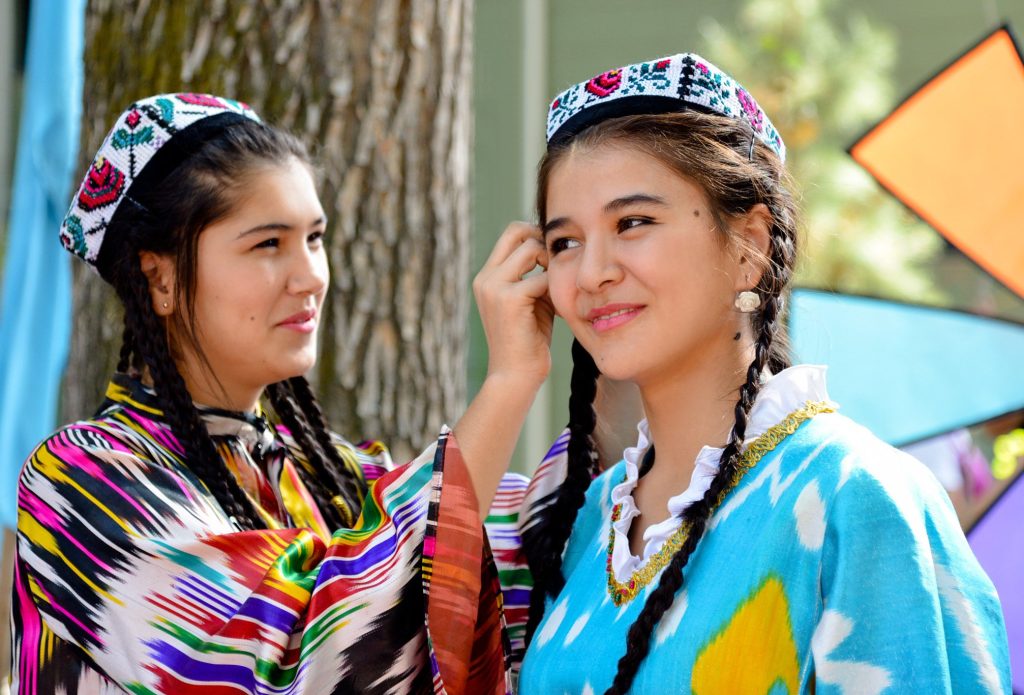
The symbolism of patterns on traditional headdresses developed over centuries. Each ornament carries powerful philosophical and sacred meanings, giving every design its own significance. For Uzbek artisans, embroidery on tubeteikas is an art passed from generation to generation with great care for ancient tradition.
One of the most common tubeteika symbols is botamoyi, a motif shaped like small seeds and representing life, fertility, and abundance. It serves not only as decoration but also as a talisman believed to bring happiness and prosperity to a home.
Seeds of life also symbolise the bond between generations and the ancestral heritage passed from father to son and mother to daughter. Tubeteikas with botamoyi patterns are often given to newlyweds as wishes for abundance and prosperity.
Another important motif is gulistan, a floral pattern symbolising beauty, harmony, and joy. Embroidered flowers on tubeteikas represent purity and peace and also serve as charms against harmful forces.
For Uzbek artisans, creating a floral pattern requires patience and inspiration. Floral motifs do more than decorate; they express good wishes. Tubeteikas with such designs are therefore often given on holidays and special occasions.
The pomegranate is a symbol of fertility, prosperity, and love and appears on many traditional Uzbek headdresses. Its many seeds represent life, energy, and abundance. An anor embroidered on a tubeteika acts as a charm for health and strong family bonds.
Anor embroidery also has a romantic aspect. The symbol often decorates women’s tubeteikas and emphasises the wearer’s femininity and gentleness.
An arch-like motif resembling a fortress wall symbolises protection and stability. This pattern often appears on men’s tubeteikas and highlights the wearer’s endurance and courage. It represents reliability, strength of spirit, and readiness to protect the family.
The ark motif is also connected with the history of great Uzbek cities such as Bukhara and Samarkand, where majestic fortresses guarded peace and security. The pattern recalls the importance of protecting loved ones and the homeland.
Embroidering tubeteikas is an art that requires skill and patience. Uzbekistan has several techniques, each with its own character. One of the most popular is zardozi, embroidery with gold and silver thread. It gives the finished piece a special sense of luxury and ceremony.
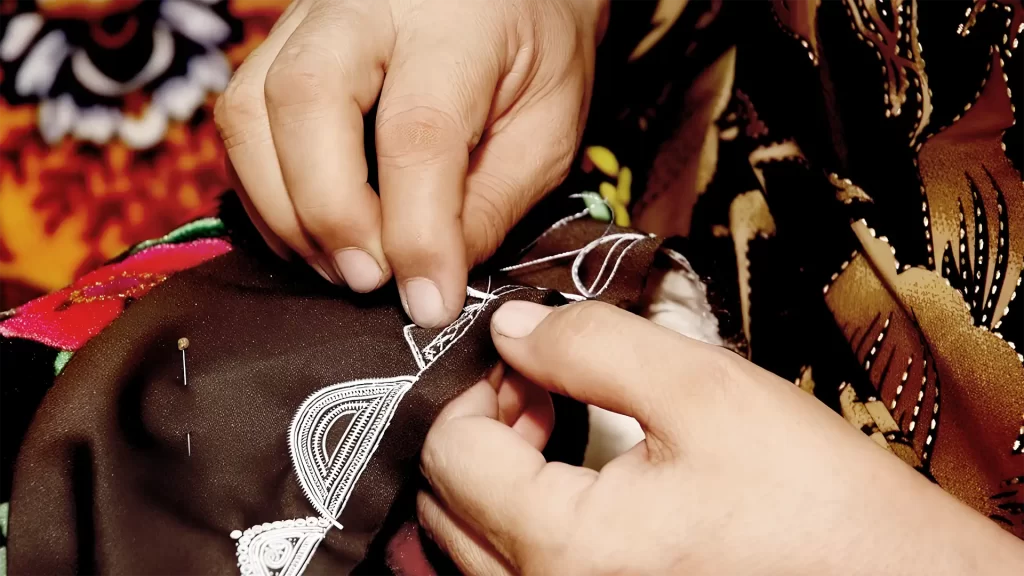
Another technique is bead embroidery, which makes headdresses especially festive. Beads form complex patterns and add shine and volume. Beaded tubeteikas are often worn at weddings and other important occasions.
Embroidering tubeteikas in Uzbekistan is more than a craft; it forms part of the nation’s cultural code. In a modern world where traditional values can gradually be forgotten, preserving such distinctive arts is essential. Every pattern and line belongs to a history that deserves care.
For many people, a headdress with traditional embroidery expresses identity and connection with ancestors. A tubeteika becomes more than clothing; it is a symbol of cultural heritage uniting generations.
Correct care helps embroidered tubeteikas preserve their beauty for years. The following practical advice will protect them.
Finding an antique can sometimes feel like discovering real treasure. But how can you tell
A visitor accustomed to a Western lifestyle may be surprised on first entering a traditional

Life sometimes feels like an endless list of tasks. Yet add an Uzbek carpet to

How often has flatbread decided the fate of your lunch? In an age of fast