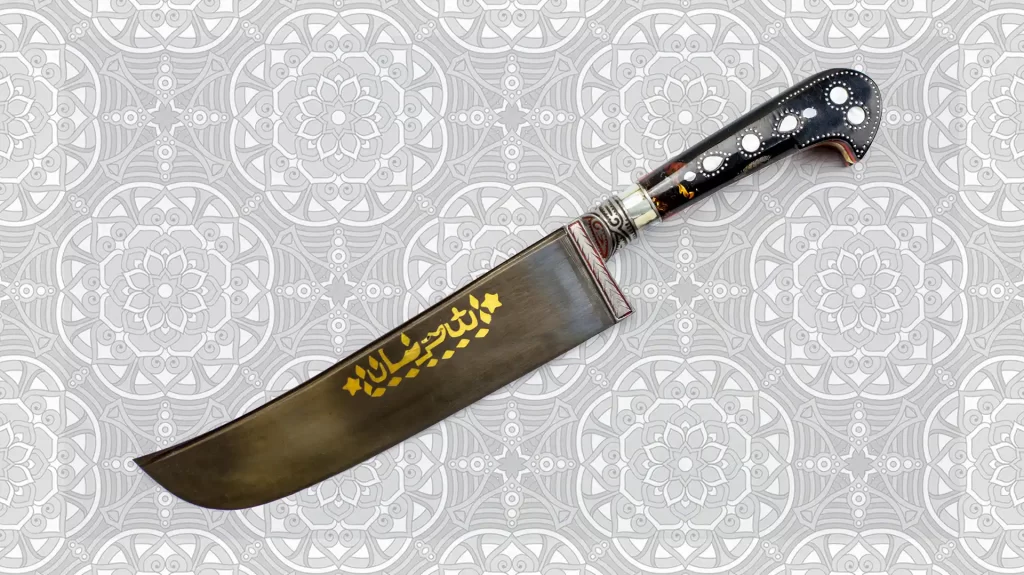
The Chust knife, also called a pichak, pichok, or pchak, is not only beautiful but remarkably practical. It can slice a hair, its blade lasts for many years, and with correct sharpening it retains its edge. In Uzbekistan, it is no accident that the phrase “Chust knife” means a knife of the highest quality.
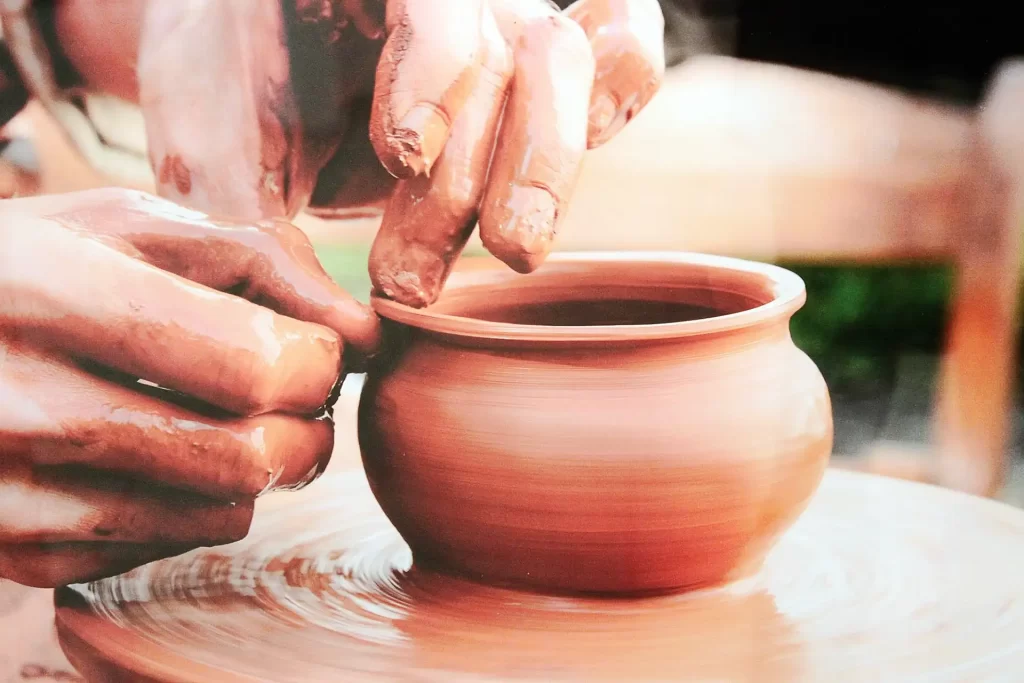
Uzbek ceramics are more than a craft; they are a true art embodying the country’s cultural heritage and centuries of tradition. Their history reaches back to ancient times, when artisans created household objects decorated with unique patterns and colours that reflected the identity of the people. In this article, we explore the history of Uzbek […]
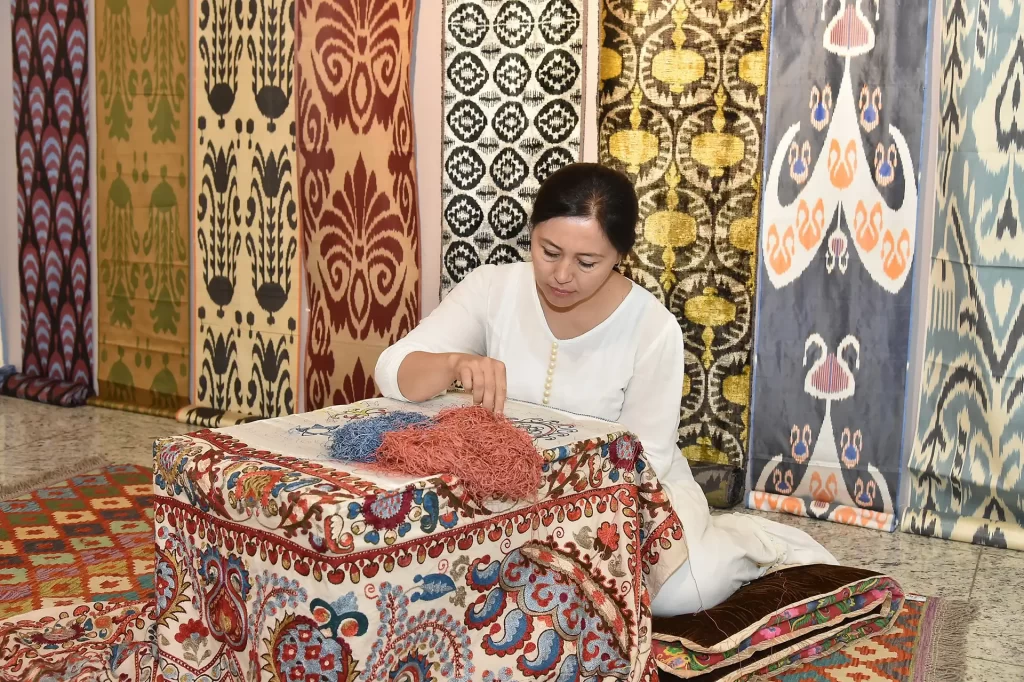
Traditional suzani embroidery is more than a beautiful textile. It carries a profound history through ancient patterns and symbols that have decorated homes and filled them with meaning for centuries. Suzani is one of Uzbekistan’s best-known folk arts, symbolising a rich culture and spiritual bond with ancestors. In this article, we explain the meaning of […]
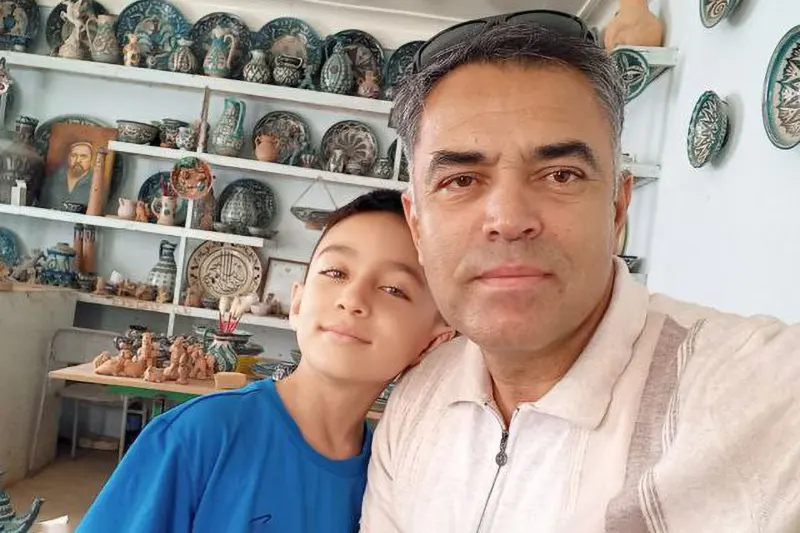
In the Fergana Valley lies the village of Gumsaray, where ceramics are made in a distinctive, rich sky-turquoise colour. Gurumsaray is one of Uzbekistan’s oldest centres of traditional ceramic art. In the 1970s and 1980s, Gurumsaray ceramics were represented by four masters from a single pottery dynasty: M. Rakhimov, M. Turapov, Kh. Khakimov, and Kh. […]
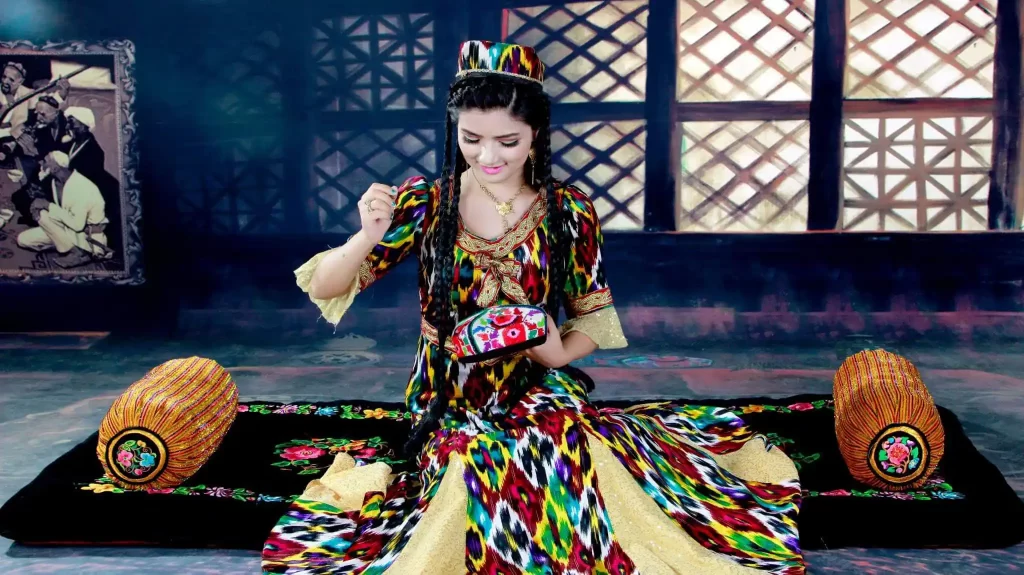
A tubeteika suits everyone: the grey hair of a wise elder and the braids of a bride. Even a fine young man without one at the back of his head hardly seems a true dzhigit. Folk sayings treat it with friendly affection: “A tubeteika is no burden to a dzhigit,” and “When there is no one to talk to, speak to your tubeteika.” It is worth recalling that a tubeteika is a round or pointed cap with embroidered or woven patterns, a national headdress among many peoples of Central Asia.
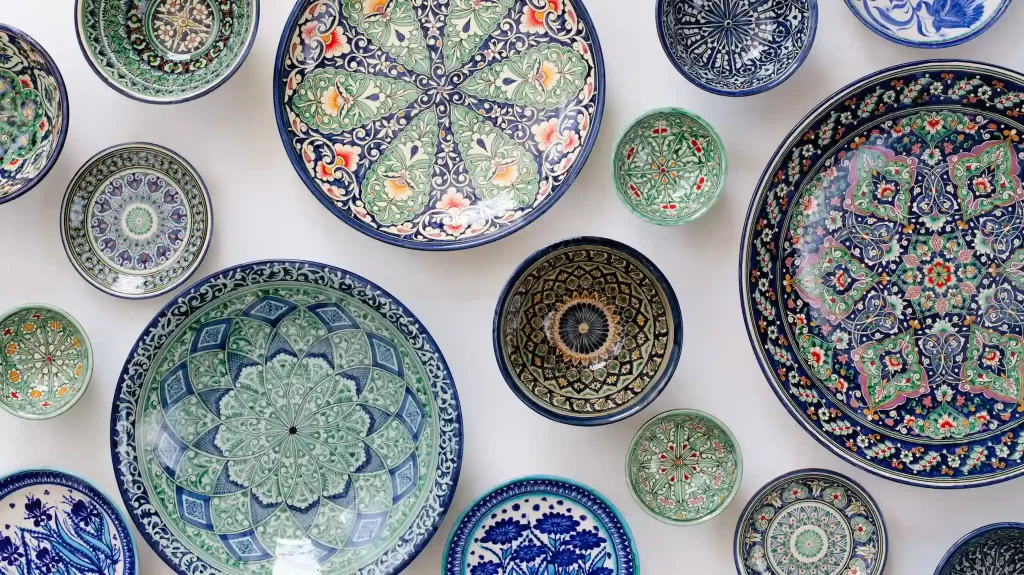
The people of Uzbekistan have long treated water and earth as sacred. There is no life without water beneath the hot Asian sun. The earth is the provider and the beginning of all things, for the Quran teaches that the first human was created from clay. Since ancient times, people on this land have shaped their world from clay. They built fortresses, temples and homes from sun-dried and fired bricks and baked flatbreads in clay tandir ovens.
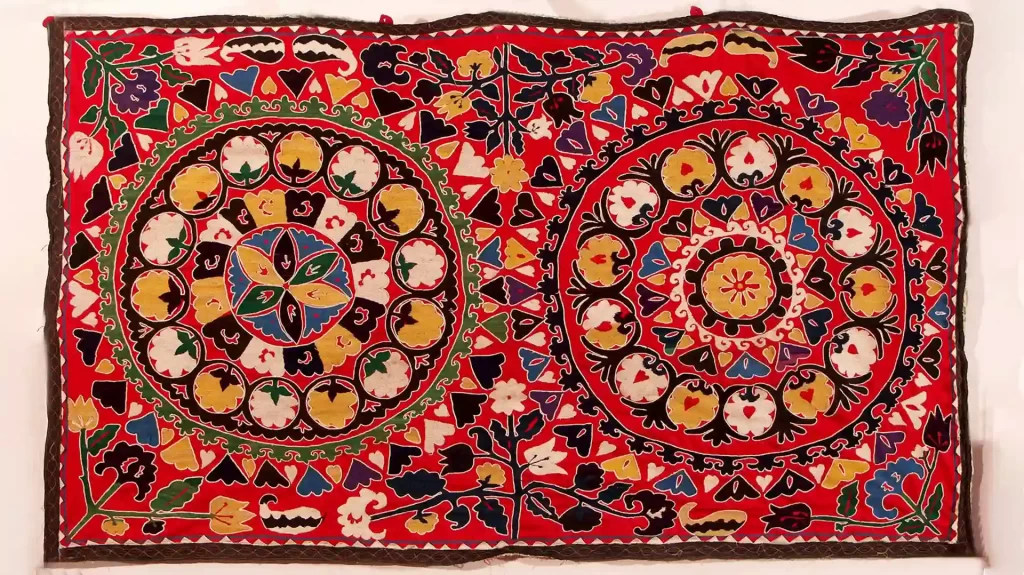
A visitor accustomed to a Western lifestyle may be surprised on first entering a traditional Uzbek home, above all by the almost complete absence of furniture. A patterned palas or piled carpet on the floor, kurpacha mattresses and cushions stacked in niches, a forged chest and a low khan-takhta table form almost the entire interior. Large embroidered suzani panels hanging on the walls are another important part of the organisation and decoration of domestic life.
