“When old customs seem forgotten, they unexpectedly return to inspire us again.” This is true of Uzbek costume, whose beauty and individuality are once more winning hearts and fashion runways.
Uzbek costumes: art on fabric.
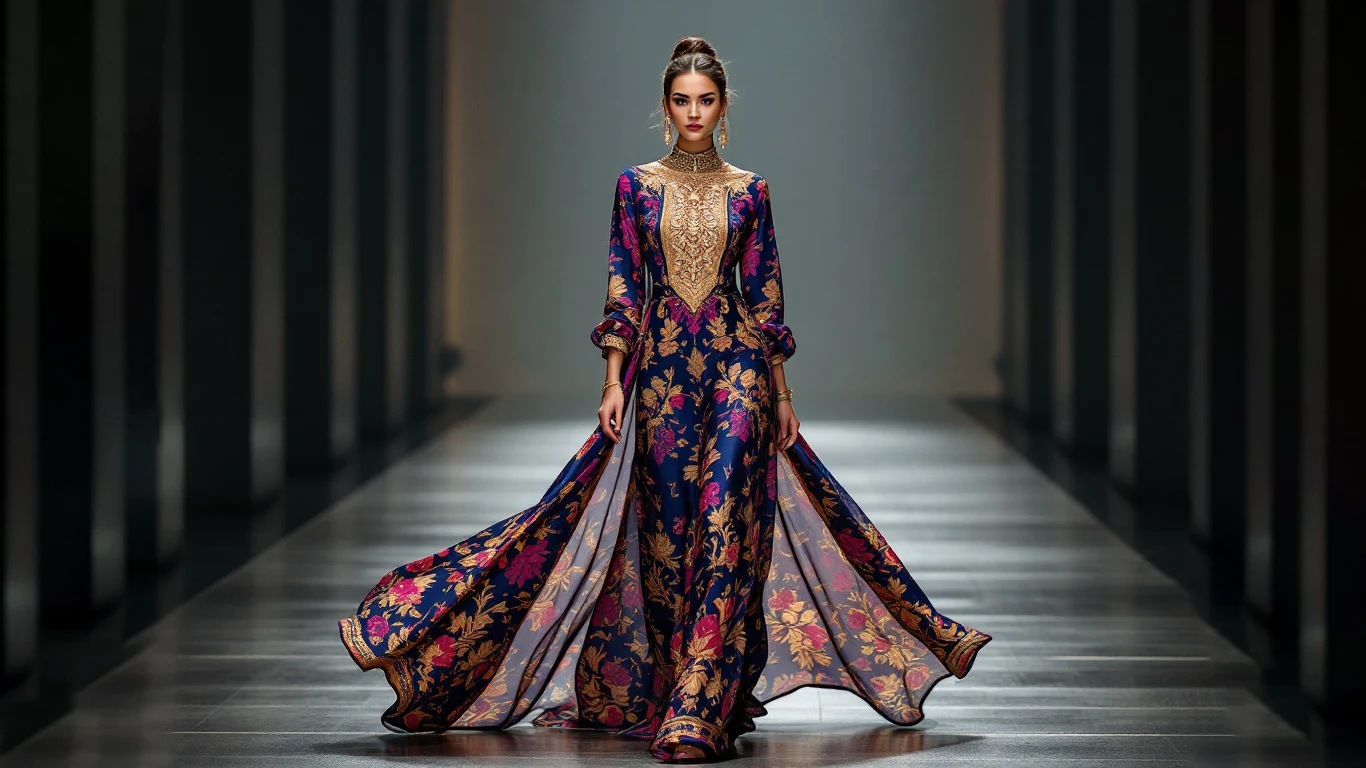
Traditional Uzbek clothing is more than a collection of garments. It is a history passed from generation to generation. Gold embroidery and beautiful textile patterns turn costumes into genuine works of art. Chapan robes with their distinctive stitching, for example, display the richness of Uzbek culture, while women’s clothing with elaborate head ornaments always inspires admiration.
Every pattern tells a story. Some represent family happiness, while others show the country’s natural wealth. These details make clothing individual and demonstrate the importance of preserving tradition.
Such costumes are available on SilkGranat.uz , including both classic clothing and modern versions suitable for daily life.
Modern trends: tradition and creativity.
Uzbek designers know how to combine tradition with current ideas. Ikat, for example, has become popular within the country and abroad. Even well-known brands such as Gucci and Dior use it in collections.
Designers use silk, velvet, and new fabrics to make clothing that is both beautiful and comfortable. Some collections use recycled materials, an important consideration for people who care about the environment.
New patterns are often inspired by nature. Mountains, flowers, and rivers appear in ornaments, making the objects interesting to residents of Uzbekistan and visitors alike.
How to choose and care for an Uzbek costume.
Correct care is important if clothing is to last for years:
-
- Washing. Wash by hand with a mild detergent. Machine washing may damage the fabric.
-
- Storage. Store in a dry place away from sunlight.
-
- Cleaning. Clothing with gold embroidery is best taken to a professional dry cleaner.
-
- Repair. If the fabric tears, take it to an artisan for careful restoration.
These simple tips will preserve the suit for years. The clothing can continue to look new even after long use.
The history and meaning of costumes.
In the past, Uzbek clothing indicated a person’s family and status. Wealthy people wore silk and gold. Colours also carried meaning: prosperous people used blue and purple, while artisans wore green.
Wedding clothing was always special. It was sewn from expensive fabrics, decorated with patterns, and passed through generations. Families still preserve such costumes as treasures.
Today, national costumes are worn at weddings and holidays. They are beautiful and also important for preserving culture. Many people commission such clothing from local masters to support artisans.
Uzbek style in everyday life.
In Tashkent, people can be seen wearing modern clothing with traditional details. Embroidered tubeteikas have become popular both in Uzbekistan and abroad. Such accessories are available here.
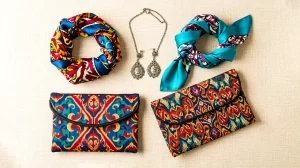
Bags and shoppers with national patterns also have many admirers. They are comfortable and stylish. Explore the options on SilkGranat.uz.
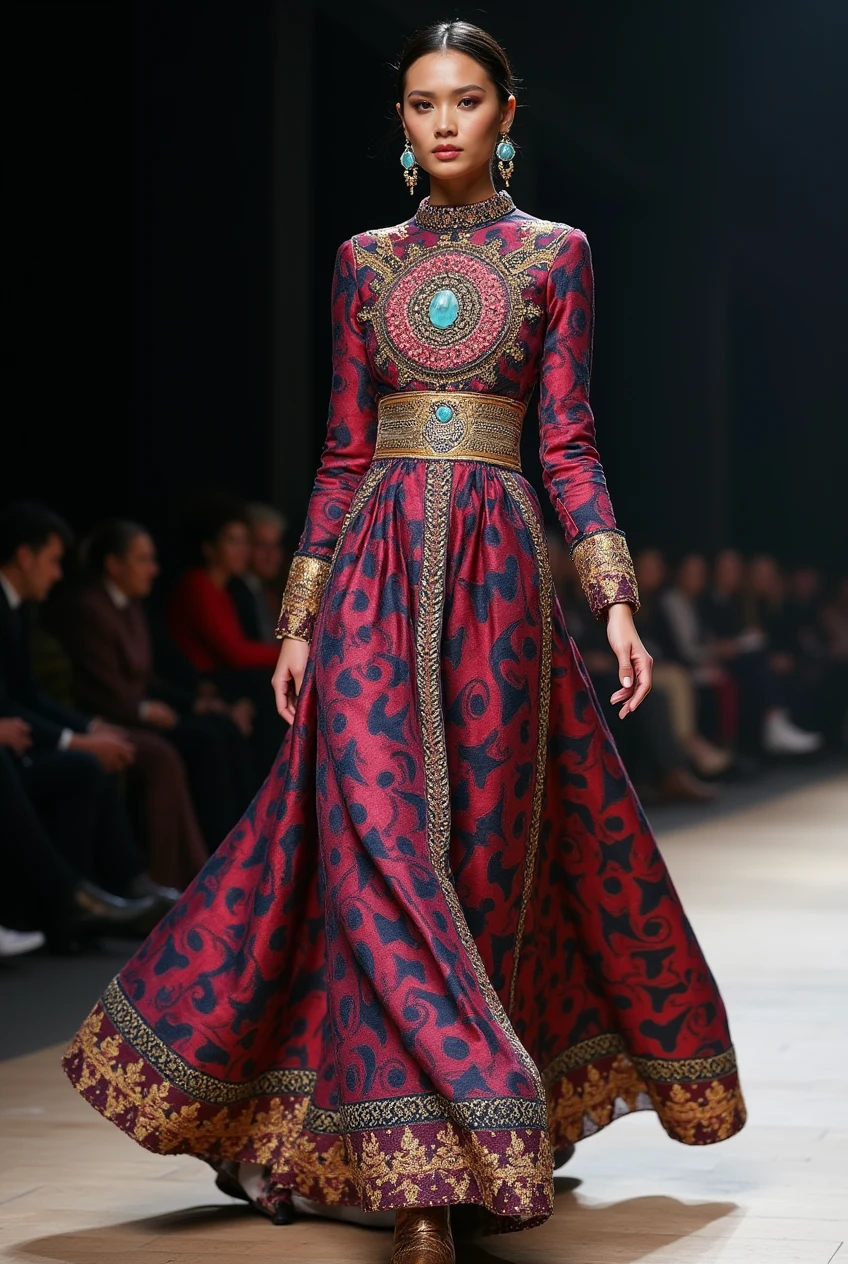
Designers often create collections combining traditional patterns with modern cuts. This makes Uzbek fashion accessible and understandable to people from many countries.
Traditional costumes on global catwalks.
Uzbek designers are taking part in fashion weeks more often. Their clothing attracts attention through beauty and respect for history. Ikat patterns, suzani, and velvet robes become key collection elements.
Brands such as Bibi Hanum show their work abroad. Their clothing is comfortable and beautiful, which makes it popular. Many designers also use modern technology to produce fabrics with traditional patterns.
International presentations introduce more people to Uzbekistan and its culture. They also support artisans and increase the country’s appeal to travellers.
Why wear traditional clothing?
National clothing is a way to express individuality. It combines style with history. Wearing it makes you part of the culture and helps preserve it.
Silk and cotton clothing is pleasant against the skin and better for the environment. It suits any occasion, from a celebration to an ordinary walk. Traditional garments express individuality and demonstrate the quality of handwork.