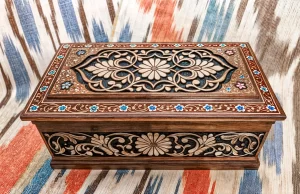
Wooden crafts of Uzbekistan: traditions stretching back thousands of years
Have you ever wondered what magic is hidden in an ordinary wooden spoon or carved

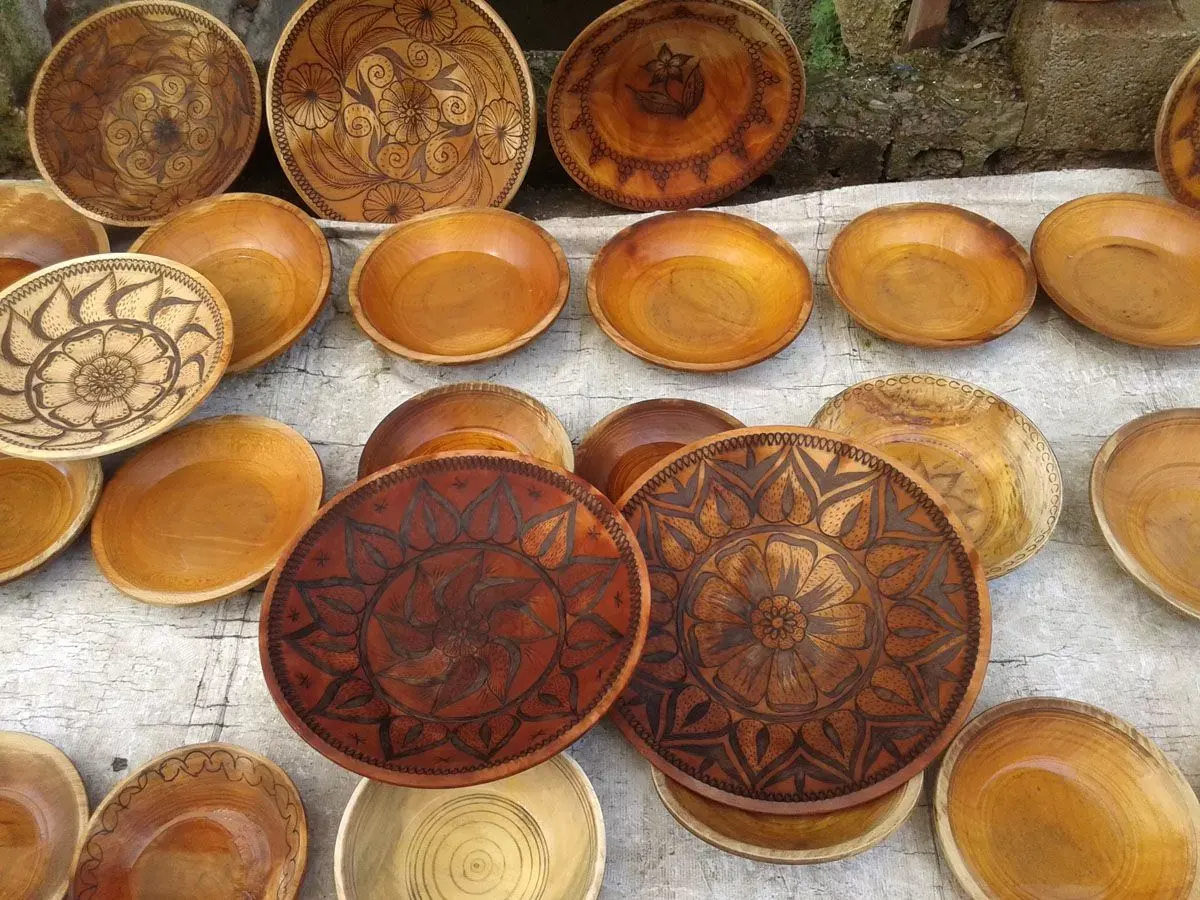
Wooden kitchenware is now at the height of popularity, taking us back to our roots and bringing a feeling of warmth and comfort. It is both a trend and a tradition, reflecting care for health and the environment. Why does wood remain so relevant in the kitchen? We explain its advantages, traditional production methods and modern sustainable approaches.
Wooden kitchenware is more than a set of cooking tools. It creates a connection with nature and brings warmth into the home. Wood is well suited to preparing food because it does not react with acids or release toxins in the way some plastic utensils can.
Wooden kitchen utensils offer strength, environmental responsibility, and a sense of warmth and comfort. They feel pleasant, have natural texture, and develop a patina that improves their appearance over time.
Wooden products have a long history. In Uzbekistan and elsewhere in Central Asia, the art passed from generation to generation. It begins with selecting timber, most often walnut, Russian olive, or pear for their strength and distinctive colour.
Masters reveal the hand-created character of wooden utensils through fine carving, polishing, and oil finishing. The whole process depends on talent and accumulated skill, giving wooden products their distinctive energy.

This artisan approach embodies tradition and culture and connects us with earlier generations. Many modern wooden spoons, spatulas, and cutting boards are made in small workshops where every detail receives attention.
Environmental care is now central. Uzbek artisans take part in this movement by using durable timber and safe finishes. Oils applied to wooden products are non-toxic and safe for food preparation.
Wooden utensils support responsible use of resources because wood is renewable and fully recyclable. To order attractive wooden kitchenware, visit SilkGranat’s Wooden Products section .
Every object has its own story. Many artisans practise their craft with a deep awareness of its importance. They find that the gradual creation of an object resembles mindfulness and even meditation. Polishing every detail and applying oil are not merely production steps but parts of a journey that enables a connection with nature and brings warmth into people’s homes.
When you use wooden utensils, you feel their warmth and importance together with the environmental responsibility and individuality of every object.

Correct care helps wooden utensils last. Treat them every few months with almond or linseed oil to protect the wood from stains and spreading moisture.
Do not leave wooden utensils submerged in water, as this can cause cracking. Protect them from detergents that may discolour or damage the grain.
Have you ever wondered what magic is hidden in an ordinary wooden spoon or carved

Tired of sameness? That familiar feeling in front of the wardrobe. Another morning brings the
The people of Uzbekistan have long treated water and earth as sacred. There is no
Uzbek embroidery is not merely decoration but a complete language filled with symbols and profound