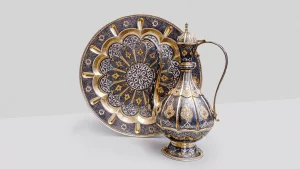
Artistic metal embossing: traditional techniques used by Uzbek artisans to decorate metal objects
“Just imagine: an ordinary morning, a cup of tea, and suddenly the realisation that your

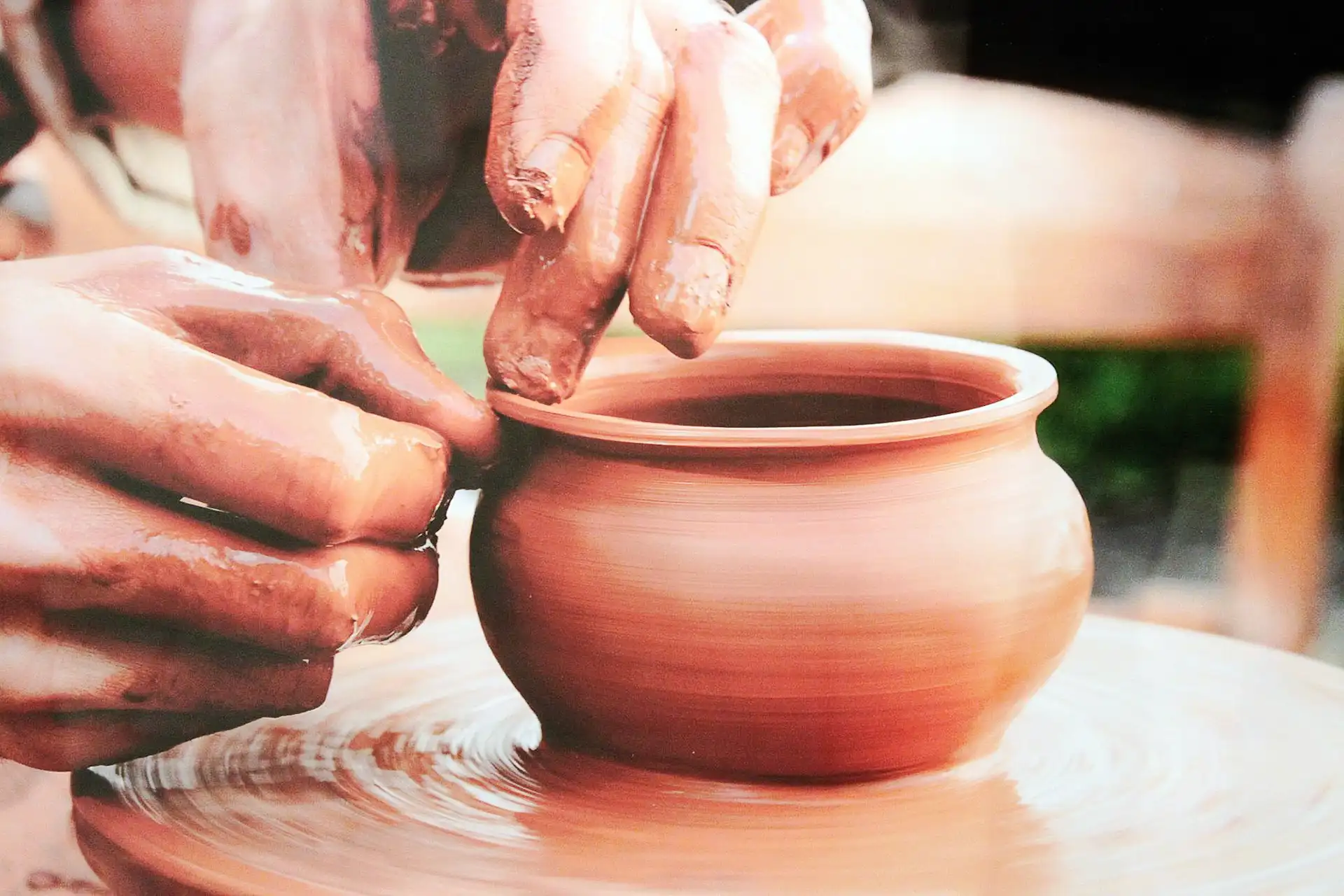
Uzbek ceramics are more than a craft; they are a true art embodying the country’s cultural heritage and centuries of tradition. Their history reaches back to ancient times, when artisans created household objects decorated with unique patterns and colours that reflected the identity of the people. In this article, we explore the history of Uzbek ceramics, reveal secrets of the craft and explain how its traditions are preserved and developed today.
Ceramic production in the territory of modern Uzbekistan began in antiquity, during the era of the Great Silk Road. Through contact with other cultures and peoples, Uzbek artisans adopted new techniques and developed their art. Ceramics served not only as household ware but also as goods for exchange and trade. Demand was very high because of the pieces’ excellent quality and refined appearance.
Rishtan has historically been an important centre of ceramic production and remains known for its masters. Visit our page about Vahobjon Buvaevto learn more about artisans preserving Rishtan pottery traditions.
Making Uzbek ceramics requires special skill and patience. Production secrets pass from one generation to the next, making every object unique. The main stages include the following.
Patterns on Uzbek ceramics are not merely decoration but symbols reflecting cultural values and traditions. Every design has a meaning: floral motifs represent prosperity and joy, while geometric forms express harmony and order. Artisans apply these ornaments with brushes and special tools, making every piece unique.
The palette of Uzbek ceramics ranges from deep blues and greens to warm yellows and reds. Blue ishkor glaze is one of its most recognisable features and gives pieces a characteristic sheen.
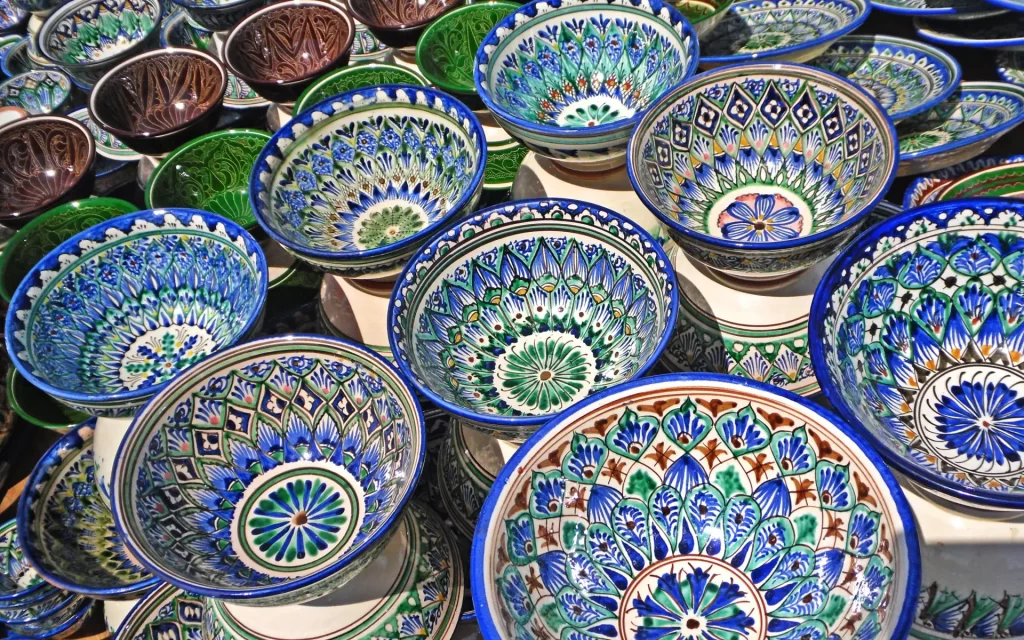
Uzbek ceramics continue to develop through workshops that preserve and enrich traditional practice. Contemporary masters not only recreate classical patterns and forms but also experiment with new techniques and styles. This draws attention to Uzbek craftsmanship and makes it more popular both within the country and abroad.
Website SilkGranat offers a wide range of ceramics by leading Uzbek masters. The collection includes traditional plates and jugs as well as contemporary decorative pieces suited to many interiors.
Ceramics have always occupied an important place in Uzbek culture. They were used not only for storing food and cooking but for decorating homes. Particular attention was given to large dishes used to serve traditional food such as plov. Often ornamented with complex patterns, these plates became symbols of the host’s hospitality.
Ceramic objects were often presented as gifts at weddings, holidays, and other important events. Ceramics therefore formed part of daily life and also played a significant role in social traditions.
Contemporary interior designers often use Uzbek ceramics as accents in a room. Large ceramic dishes, vases and other pieces can become striking decorative features, adding comfort and an exotic note to any home. Ceramics combine beautifully with other Uzbek crafts, such as suzani embroidery, which is also popular with our customers.
The history of Uzbek ceramics is the history of a people, their traditions, and their culture. Every ceramic object carries part of the soul of the artisan who made it. Uzbek ceramics are not merely household goods but a true art that can be seen and felt when you hold an object created with care and respect for tradition.
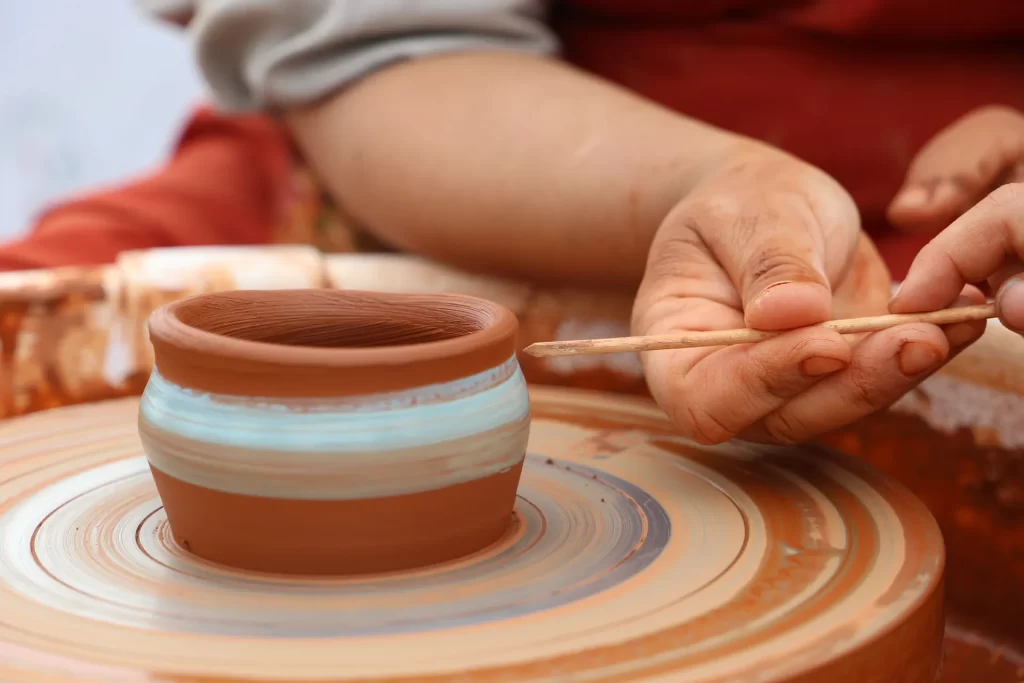
Visit our Ceramics sectionto explore this remarkable art world and perhaps find something special for yourself or as a gift.
“Just imagine: an ordinary morning, a cup of tea, and suddenly the realisation that your
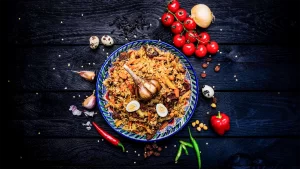
Have you ever tasted plov cooked not simply in a kitchen but with the In

You go about your life, work and pass a souvenir shop—and suddenly notice a doll.
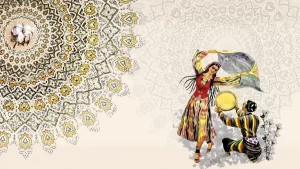
Who says walls must remain merely walls? Uzbek painting can turn a home into a