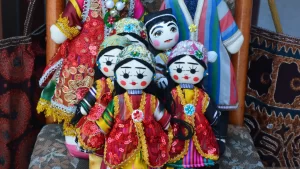
The enchanting world of Uzbek dolls: an art rooted in history
Dolls are rather like people. They may seem silent, yet their expressions and details sometimes

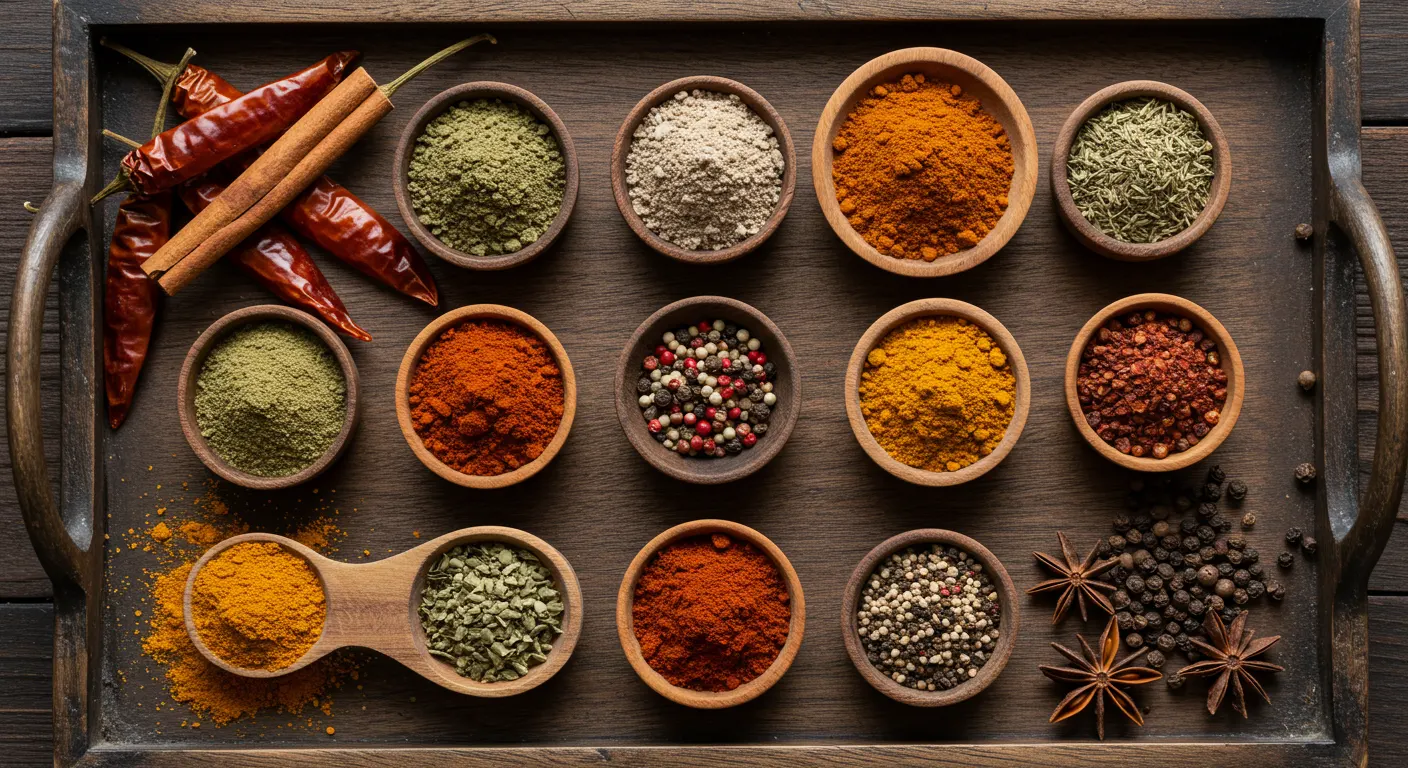
When the kitchen dozes and the spices yawn.
Every morning I open the cupboard where jars sit quietly on a shelf. They form the geometry of habit: salt is a white peak, pepper a black dot, rice modest snow. A saucepan taps its lid as if reminding me of routine, while a frying pan hisses reassuringly with yesterday’s oil. In such silence flavour becomes a shadow: hunger is satisfied, yet the heart remains hungry. Without the language of spices, even a filling dinner tells no story and offers no smile after a long day.
A cook I know once joked, “Food without spices is like a song without a chorus.” It is true: you may know every note, yet the melody fades without a bright chord. We are used to colourless comfort, but the subconscious still whispers, “I want a celebration where every spoonful rings like a dervish’s tar.”
Close your eyes and picture an Uzbek bazaar in the afternoon. Fresh flatbread crackles, a dehkan loudly invites you to taste an apricot, and the tulips woven into carpets seem to shelter the heat of the street sun. Yet the scent matters most. A warm wave of cumin and turmeric embraces passers-by, while barberries sweeten the air as if promising a rain of aromas. This is the spirit of adventure our kitchen seeks.
We dream of bringing this whirl of sensation home so that every grain of rice holds kilometres of the Silk Road. We want children looking at a plate to feel not only hunger but also the history of caravans. Yet how do you choose spices when the stall is crowded with unfamiliar names and the advice is contradictory? Our journey will follow these whispers of the market.
I invite you on a small adventure to meet seven heroes that turn plov into legend. There is no need to travel to Samarkand for an enormous kazan. Everything required fits in the palm of your hand.
The artisanartisan blows lazily on the coals: “Toast the zira first, and the plov will begin to sing.”
Guest:guest smells the smoke: “What if I add the turmeric before the carrots?”
The artisanartisan winked: “The rice will glow like dawn over Registan, but do not forget the barberries—that sweet spark works wonders.”
Guest:“The garlic goes in whole?”
The artisansays: “Otherwise it will lose its magic, my friend.”
Every line echoes centuries of experience, tested more thoroughly than any laboratory kitchen.
Below is an expanded checklist, with each spice accompanied by a short vignette.
As the zirvak simmers, a warm aroma thickens in the room. It enters the curtains, and neighbours begin wondering which wedding has descended from the second floor.

After forty-five minutes, the grains of rice open like narcissus petals and clouds of steam rise. At that moment every spice tells its own story: cumin recalls its role in digestion, barberry generously supplies vitamin C, and turmeric acts as a natural antiseptic. Avicenna prescribed a similar blend to weary travellers, and medical treatises reflect the physician’s wisdom. UNESCO has also recognised plov as cultural heritage, for it nourishes not only the body but relationships around the table.
I offer the first spoonful to my wife. Her eyes widen like gilded lyagans in a shop window. “Now I understand why Uzbek tableware is so bright—it has to compete with the aromas,” she laughs. New reviews flash in the messenger: “The scent of Navruz has returned,” writes Madina. “Your recipe replaced my ticket to Tashkent,” says Pavel. Even through the screen, friends can almost hear the lid tapping.
The path to perfection requires care. Over-roast cumin by one second and the whole zirvak turns unpleasantly bitter. Scald saffron with boiling water and half its essential oils disappear. Dry barberries are best soaked first; otherwise, they draw moisture from the rice and spoil its texture.
Another danger is impatience. Devzira rice needs gentle heat; a flame that is too strong cooks the outside while leaving the centre firm. Remember the old saying, “Plov loves silence.” The kazan should barely bubble.
After the first successful attempt, the calendar seems to arrange itself by aroma. Thursday becomes plov day. Why Thursday? Elders say that such a supper clears the mind and makes Friday’s affairs easier. Children call it “golden rice evening”, while neighbours bring their plates and carry them home filled.
It soon becomes clear that the right tool matters. A ladle seemed simple enough until I tried a copper spoon from our shop. It retains heat and gently holds the rice without crushing the delicate grains. In this way, plov gains a ceremony of its own, just like tea.
A month passes. The cupboard no longer looks dull. Jars stand like colourful soldiers waiting for a command. I open the cumin, and even a rainy morning becomes brighter. Guests enter and sigh: “Your home smells like a journey.” Plov has taught the house to speak the language of spices—gently, warmly, and with respect for tradition.
I remember the words of an old sage: “Whoever shares plov shares joy.” Now I understand that the magic lies not in the recipe but in the people around the kazan. It smells of patience, care, and an endless road where cumin meets barberry and turmeric holds the sun even in winter.

Dolls are rather like people. They may seem silent, yet their expressions and details sometimes

Only yesterday you may have thought your gift choices were limited to a box of

“Ordinary daily life: a minibus, traffic jams, worries, and the neighbour who always starts drilling

Every Uzbek carpet is more than a home decoration; it is a story woven into