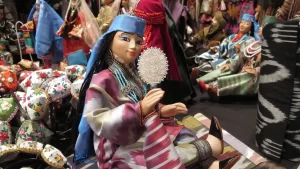
Traditional Uzbek dolls: history and symbolism
Traditional Uzbek dolls are more than toys. They are genuine works of art carrying Uzbekistan’s

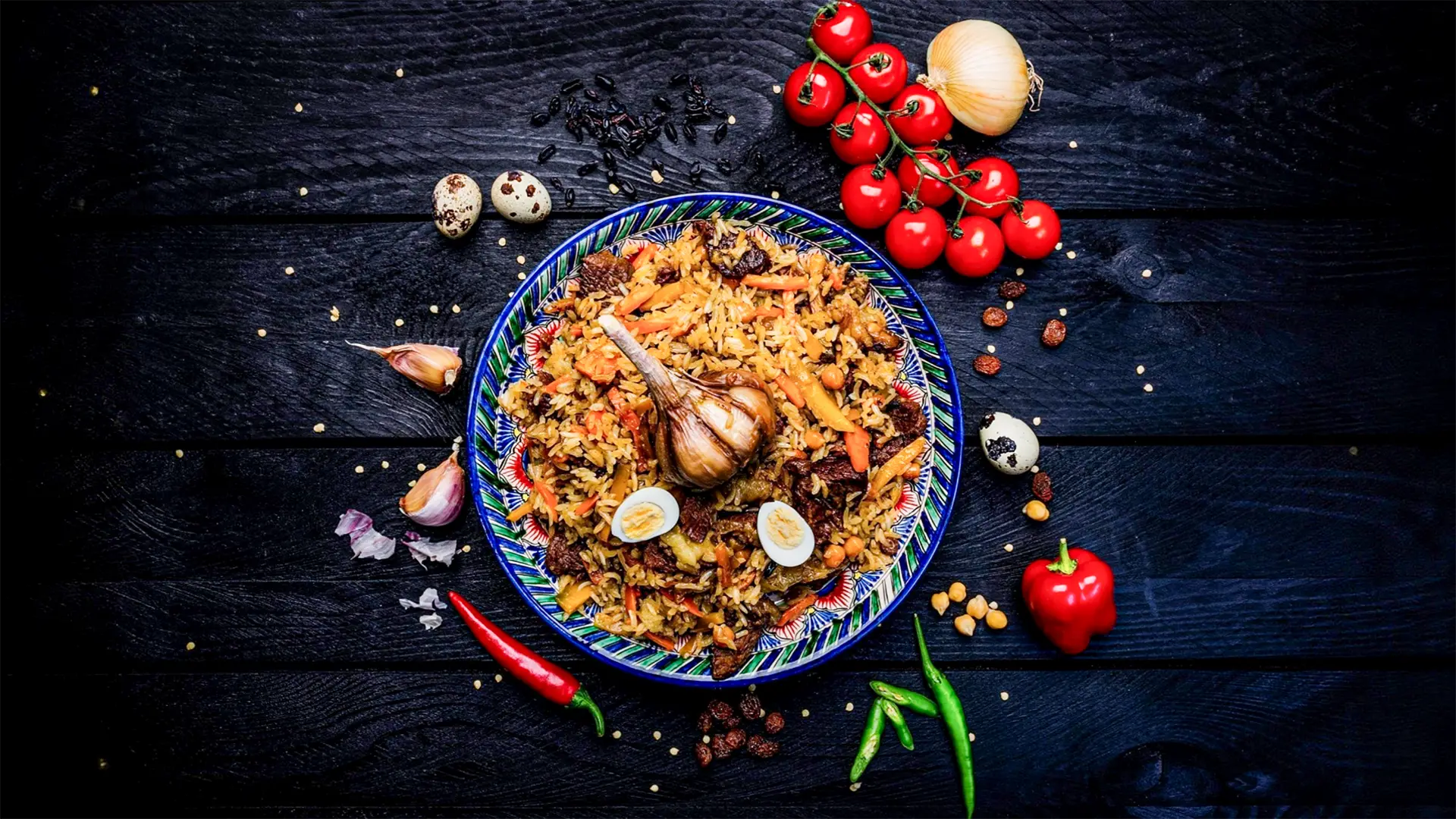
Have you ever tasted plov cooked not simply in a kitchen but with the In Uzbekistan, every meal is a small performance—an entrance into a world of aromas, colours and flavours that makes you forget about diets and focus on the moment. “Plov is not merely food; it is a philosophy,” a friend once told me.
Uzbek cuisine is a kaleidoscope of flavours opening the door to a world of vivid aromas and rich history. Many dishes are based on lamb, rice and fresh vegetables combined with refined spices. This distinctive mixture reflects both the centuries-old traditions of the Uzbek people and the rich influence of the Great Silk Road, which connected different cultures for centuries.
Every Uzbek dish is more than food; it is a story with roots in antiquity. Culinary traditions passed through generations preserve distinctive recipes and remind us of the value of culture.


Uzbek cuisine is known for distinctive cooking methods that preserve a wealth of flavour and aroma. The main secret lies in using natural ingredients and special seasonings that enhance the character of each component. These methods make every recipe genuinely memorable.
Plov, for example, is cooked in large, heavy kazans. This is more than cookware; it is a symbol of Uzbek cuisine that cooks ingredients evenly while preserving their texture and rich flavour. Flatbreads are baked in a traditional tandir, a clay oven that gives them a crisp crust and soft, airy centre.
Tip: do not stir the plov until it is fully cooked, so the layers retain their texture and flavour.
Tip: before baking, brush the dough with egg and sprinkle it with sesame seeds for extra aroma and beauty.
These dishes represent only a small part of Uzbek cuisine, yet preparing them is a culinary ritual that brings people together and makes a meal memorable.


Food in Uzbekistan is not merely about satisfying hunger. It is a true ritual that nourishes people and brings them together. Dastarkhans, low tables covered with patterned cloth, become the centre of every meal, where families and guests share stories, laugh and enjoy their time together. Every detail, from decorating the table to serving tea, has a role in creating a special atmosphere.
Tea holds a special place in Uzbek culture. It is served before the main course, during a meal and afterwards. Hot green tea refreshes the palate, while the serving ritual expresses respect for guests. Some families maintain the custom of filling pialas onlyhalfway so that fresh tea can be poured more often and conversation can continue.
Historically, recipes were passed from generation to generation. Plov, for example, became an essential part not only of everyday cooking but also of celebrations. During weddings or Navruz , enormous kazans are set up in the street to prepare plov for dozens and sometimes hundreds of guests. The process becomes a spectacle in which every step, from selecting the ingredients to mixing the rice, is accompanied by jokes and kind wishes.
To preserve the atmosphere of an Eastern feast and extend the life of ceramic and clay items:
Interest in traditional Uzbek cuisine is growing both inside Uzbekistan and abroad. It has become a genuine cultural phenomenon that delights and impresses food lovers around the world. Many countries are discovering distinctive dishes that reflect the spirit and history of Uzbekistan. Plov, manti and shurpa are now familiar names even in distant corners of the planet.
Restaurants in Europe, Asia, and the Americas offer signature versions of classic Uzbek recipes with modern touches. Some, for example, serve plov with dried apricots, quail eggs, or even truffle oil, giving it a refined character. Tradition nevertheless remains central, showing respect for the dish’s roots.
Eastern spices such as cumin,barberry, and coriander have become highly popular among European chefs. They add them not only to Eastern dishes but also to familiar recipes in order to introduce unusual aromas and flavours. These spices have become indispensable in culinary experiments and impress restaurant guests with their richness.

Uzbek cuisine is increasingly becoming a highlight of food festivals and culinary competitions. Plov is cooked before the audience, turning the preparation into a real performance. This not only demonstrates the cuisine’s distinctive character but also attracts new admirers eager to recreate the recipes at home.
People around the world learn to cook Uzbek food because it is accessible and based on natural ingredients. Straightforward preparation makes the dishes universal, while their flavour stays forever in the memory of anyone who has tasted plov or fragrant shurpa. Uzbek cuisine is more than food: it is a celebration of flavour and culture that brings people together around one table.
Traditional Uzbek dolls are more than toys. They are genuine works of art carrying Uzbekistan’s
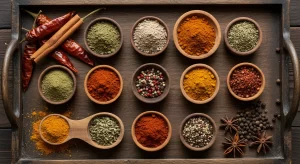
When the kitchen dozes and the spices yawn. Every morning I open the cupboard where

A modern kitchen is a place where minimalism meets advanced technology: smart refrigerators, voice-controlled microwaves
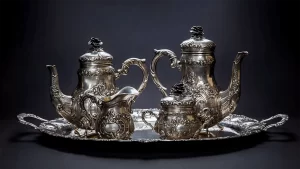
Anyone who thinks antiques belong only in museums or private collections is mistaken. Uzbek antiques