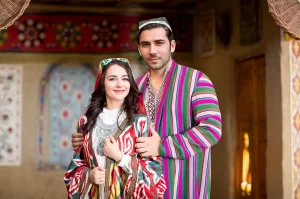
The evolution of Uzbek clothing: from traditional costumes to fashion collections
Uzbek clothing is a vivid symbol of the country’s culture, history and rich traditions. Over


Life sometimes feels like an endless list of tasks. Yet add an Uzbek carpet to an interior and comfort becomes almost tangible. A carpet is more than decoration; it is history woven into fabric. How are these remarkable carpets made, and what is needed to create them?
Many years ago, carpets in Uzbekistan were made from necessity. They helped warm homes and make them more comfortable. Sheep’s-wool carpets insulated and decorated yurts, protecting against cold and insects while beautifying the living space.
Over time, carpets developed into a true art reflecting Uzbekistan’s rich culture. Every detail has meaning, from symbols of fertility to motifs representing hospitality. Each region created its own patterns and passed them from generation to generation. Carpets from Bukhara, for example, differ from those of Samarkand. Such distinctions make every piece unique.
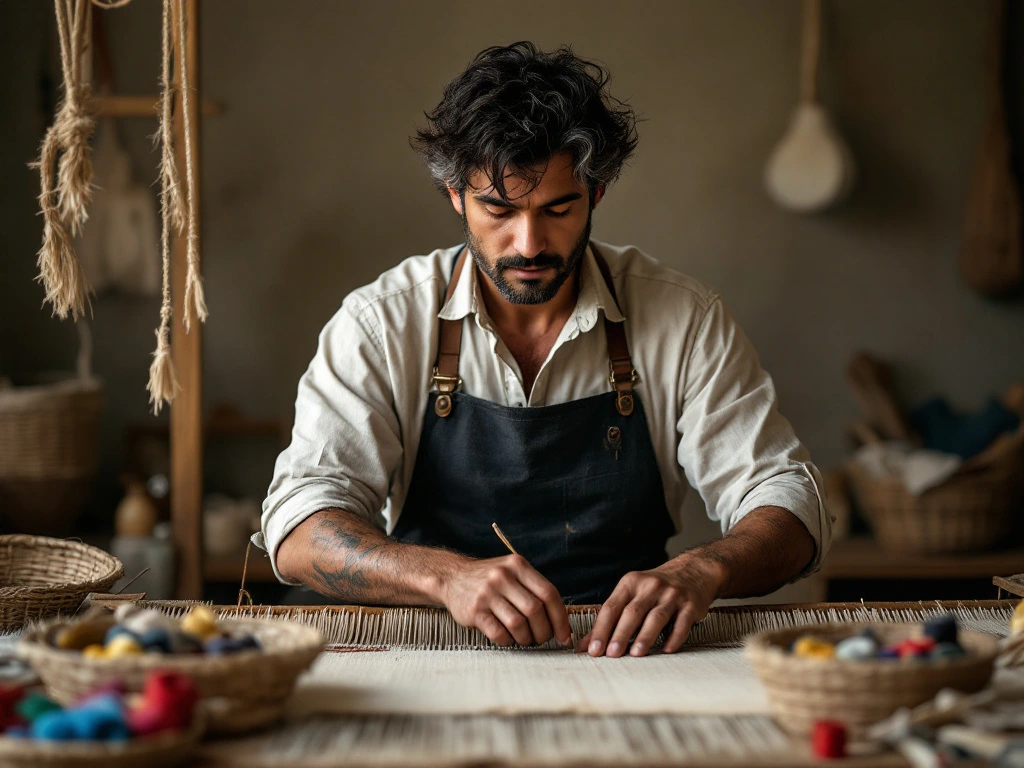
Making a carpet is a true art requiring patience and skill. It begins with an idea. The master develops a pattern that must be both beautiful and meaningful to its owner. Materials are then prepared: wool is cleaned, combed, and separated into fibres.
The next step is stretching the threads on the loom. This is complex work requiring complete concentration. The craftsperson ties knots by hand to create the pattern. The greater the number of knots, the stronger the carpet. Various techniques are used, including pile weaving, flatweave and embroidery, and each gives the rug a unique character. A single carpet may take many months and sometimes more than a year to complete.
Popular Uzbek carpet types include gilams, julkhirs and flatwoven rugs such as terme and beshkashta. Handwork gives them a warmth and feeling that machine production cannot reproduce. Every carpet reflects its maker’s spirit, vision and style. For this reason, rugs often become family heirlooms passed to children and grandchildren.

Dyeing the thread is another important stage. Natural pigments are made from plants, flowers, roots, and even insects. They give carpets deep, rich colour and help them retain brightness for many years.
A carpet needs correct care to remain beautiful for many years. Here are several tips:
In homes with pets, use suitable coverings to protect carpets. With correct care, a carpet will retain its appearance for many years.
The patterns on Uzbek carpets have their own meanings. Guldera, for example, protects against evil forces, while the Source of Life symbolises prosperity. Ornaments contain elements of nature, animals and geometric forms, emphasising a connection with the surrounding world. They may serve not only as decoration but as protective signs guarding the home and its inhabitants. Such patterns make every carpet special and unique.

Carpet weaving is once again popular in Uzbekistan. Masters are returning to old traditions while creating carpets suited to modern interiors. Many people around the world now wish to buy an Uzbek carpet because they understand its value. Handwork, natural materials, and a rich history make Uzbek carpets truly special.
Minimal patterns and neutral colours that fit easily into modern interiors are fashionable today. An Uzbek carpet can serve not only as an ethnic accent but also as an elegant addition to any home. Such carpets suit many styles, from Scandinavian to modern, and add warmth and comfort to a room.
Many interior designers use Uzbek carpets in projects alongside modern furniture. The contrast makes a room more lively and interesting. Some masters also experiment with shape, offering not only rectangular carpets but pieces with unconventional outlines.

An Uzbek carpet offers not only warmth and comfort but also pride. It is distinguished by individual patterns, high-quality materials, and durability. Every carpet is handmade with the master’s care. It is more than an object; it is a true work of art.
Carpets also help divide rooms into zones. In a sitting room, a carpet can define the relaxation area, while in a bedroom it creates warmth and security. Uzbek carpets suit children’s rooms because they are soft, warm, and beautiful.
You can buy an Uzbek carpet from our online shop. We offer only original pieces by leading masters of Uzbekistan. Every carpet comes with a certificate confirming its authenticity and handmade production. We are proud to offer objects created with love.


Uzbek carpet weaving is more than a craft. It is history, culture, and tradition woven into every pattern. These carpets fill a home with warmth and comfort. When you order an Uzbek carpet from SilkGranat.uz, you receive not merely an interior object but a genuine story that will bring pleasure for many years.
Uzbek carpets combine beauty, tradition, and quality. Make your home even warmer with a carpet by Uzbekistan’s leading masters.
Uzbek clothing is a vivid symbol of the country’s culture, history and rich traditions. Over

The traditions of silk production in Uzbekistan reach back to deep antiquity, and today these
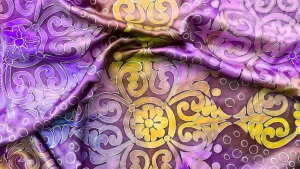
Batik is more than cloth; it is a genuine work of art embodying centuries of
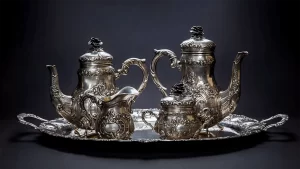
Anyone who thinks antiques belong only in museums or private collections is mistaken. Uzbek antiques