
Reviving tradition: Uzbek costumes in modern fashion
“When old customs seem forgotten, they unexpectedly return to inspire us again.” This is true


Uzbek clothing is a vivid symbol of the country’s culture, history and rich traditions. Over the decades, Uzbek costume has evolved, absorbing the spirit of each age and changes in society. Today, Uzbek fashion offers a unique combination of ancient traditions and modern trends. In this article, we explain how traditional garments have found a place in contemporary collections and how Uzbekistan’s craftspeople inspire designers around the world.
Traditional Uzbek clothing has roots reaching back through centuries. It was always more than clothing: it expressed culture, status, and a connection with ancestors. One of its best-known elements is the atlas robe, bright atlas robe patterns that could tell the story of a family or even a region.
Women’s costumes consisted of long dresses decorated with suzani embroidery and light scarves. Men wore robes and tubeteikas thatreflected their status. All these elements showed the Uzbek people’s love of vivid colours and intricate patterns.
The fabrics used for clothing were special. Silk and cotton made garments both beautiful and comfortable in Uzbekistan’s hot climate. Traditional patterns such as ikat became iconic and continue to inspire modern designers.
Traditional elements of Uzbek clothing now inspire designers around the world. Centuries-old patterns and techniques have become the basis of modern fashion collections. Many designers, for ikat use ikat in dresses, coats, and accessories. This pattern links past and future, giving each collection authenticity and depth.
On SilkGranat , you will find many distinctive elements of Uzbek clothing that combine tradition with contemporary trends. These products are not only beautiful but also carry deep symbolic meanings passed through generations.

Contemporary fashion gladly incorporates Uzbek clothing elements into collections. Consider the features that have become especially popular.
Many international designers draw inspiration from Uzbek culture. Traditional patterns, rich colours, and handwork appeal to fashion critics and art lovers alike. Uzbek clothing has become part of global fashion heritage, and elements of it can be seen in collections by brands such as Valentino, Gucci, and many others.
On the website SilkGranat offers fabrics and products that can become the basis of a distinctive personal look. They use traditional techniques and patterns, making them both fashionable and culturally meaningful.
Many people wonder how traditional Uzbek clothing can fit a modern wardrobe. The following advice will help introduce Uzbek elements into daily life.

The evolution of Uzbek clothing is a remarkable journey beginning deep in history and continuing on today’s catwalks. Traditional elements such as ikat, suzani embroidery and atlas textiles continue to inspire designers and find a place in wardrobes around the world. Uzbek clothing is not merely fashion; it is history, culture and art passed from generation to generation.
“When old customs seem forgotten, they unexpectedly return to inspire us again.” This is true
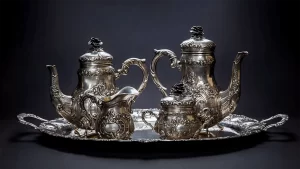
Anyone who thinks antiques belong only in museums or private collections is mistaken. Uzbek antiques

A costly mistake: how not to care for handmade items. Have you ever noticed how
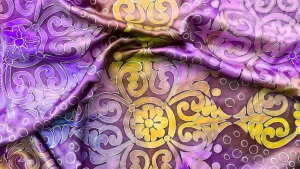
Batik is more than cloth; it is a genuine work of art embodying centuries of