
Woodcraft: creating unique decorative pieces
Woodcraft not only preserves a rich history but offers living proof of the skill of

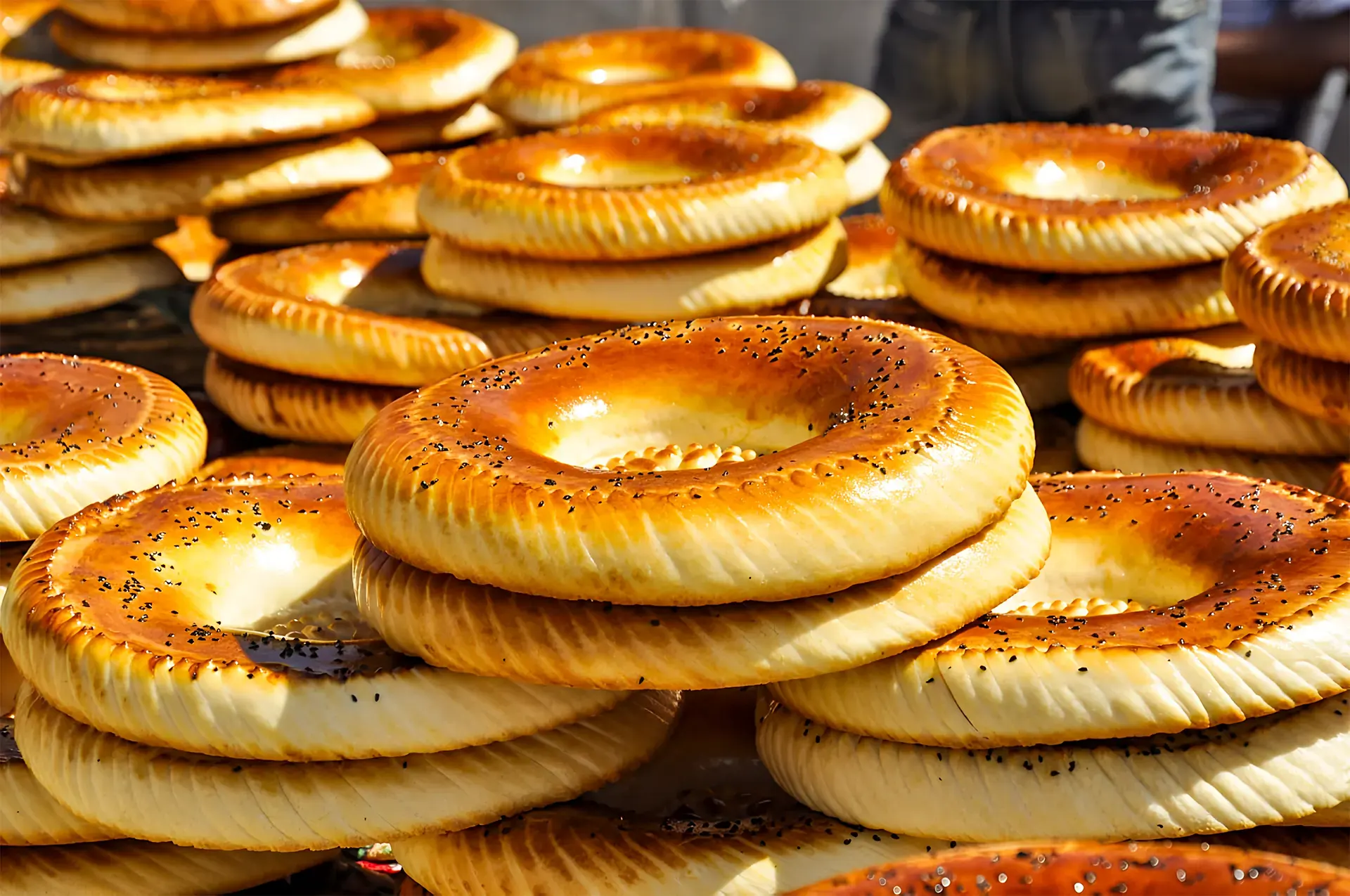
How often has flatbread decided the fate of your lunch? In an age of fast food and frozen convenience meals, a simple flatbread may seem like a modest companion to soup. Not in Uzbekistan. Here, flatbread is the queen of the table, a symbol of hospitality and, incidentally, a true masterpiece of culinary art.
In Uzbekistan, a flatbread is not simply bread. It is part of history, culture and even magic. For centuries it accompanied nomadic tribes, warmed people on cold nights and sustained them on long journeys. Flatbreads are baked in a tandir, a clay oven whose tradition has survived from ancient times. Each bread bears a pattern applied with a special wooden stamp called a chekich. It is said that the design protects against the evil eye and even improves the flavour. The aroma of hot flatbread is the scent of home, comfort and warmth.
Historically, flatbread was an inseparable part of family tradition. Every household took pride in its own recipe. At eastern bazaars, elders can recount how their ancestors heated the tandir by hand while children decorated the bread with patterns symbolising prosperity. Flatbread was linked to the life and beliefs of the people. Before a long journey, for example, a traveller always took a piece for good luck, while a return home began with bread broken and shared by the whole family.

In ancient times, flatbreads were not only food but special protective charms. People believed that bread baked in a tandir possessed magical power capable of guarding a home and its inhabitants. When a child was born, the mother baked a small loaf and placed it beside the cradle to protect the baby from evil spirits. At weddings, newlyweds received festive flatbreads decorated with ornaments so that their union would be strong and happy.
Legends about flatbread have survived to the present day. One tells how the Emir of Bukhara tasted a Samarkand flatbread and ordered the baker to be brought to him. Despite every effort, however, its flavour could not be reproduced. “This bread contains the spirit of Samarkand,” the baker explained. Indeed, every flatbread carries something of Uzbekistan’s unique atmosphere, culture and tradition.
Would you like to try baking flatbread? Follow this step-by-step recipe:
Modern home bakers sometimes use special tandir moulds to simplify the process, but true connoisseurs maintain that only handwork transmits the full energy of the maker.
Today, Uzbek flatbread is not only traditional bread but a basis for culinary experiments. It may be used instead of a pizza base, turned into sandwiches or served with unusual sauces. Try it with warm plov and you will understand why Uzbeks regard flatbread as essential to a meal. It also pairs beautifully with rich meat shurpa and sweet Uzbek desserts such as halva or chak-chak.
In the modern world, flatbread has also become a symbol of fusion cuisine. Restaurants in Tashkent and Samarkand serve mini flatbreads filled with refined ingredients such as soft cream cheese, pickled vegetables, and even tropical fruit. Every dish looks like a work of art in which tradition meets creativity.
Some cafés use flatbread in place of a plate, serving kebab or vegetable salad on it. It can be eaten after the meal, making the presentation both original and low-waste. Many chefs note that flatbread gives any dish a recognisable Eastern accent and surprises even experienced gourmets.
Flatbreads are also becoming popular souvenirs. Travellers take home not only a piece of bread but part of Uzbek culture. Bakers make specially decorated loaves for visitors, with patterns and methods that keep them fresh longer and recall Uzbekistan’s hospitality.

Every authentic Uzbek flatbread is the work of a skilled baker and the result of centuries of tradition. At the bazaar, bakers proudly display their bread and offer loaves still hot from the tandir. When choosing one, notice its freshness, aroma and pattern, all signs of quality and skill. Traditional flatbreads topped with poppy or sesame seeds are an essential part of the Uzbek table, where every detail matters.
At some bazaars, you can watch bakers apply ornaments to flatbread by hand, turning each loaf into a small work of art. Every master has personal secrets passed from generation to generation. Some add special spices to the dough, while others use distinctive flour blends to achieve an ideal flavour.
The quality of a flatbread begins with the choice of flour. In Uzbekistan, varieties with a high gluten content are valued because they make the dough elastic and ideal for baking in a tandir. A special fermentation method gives the bread softness and a rich flavour. Successful baking also depends on the oven temperature: too much or too little heat can spoil the texture. Experienced bakers therefore pay close attention to every stage, from kneading the dough to decorating it.
Anyone serious about mastering tandir flatbread should care for the oven. Clean away charcoal residue regularly and monitor the temperature. This is essential for ideal baking. Heat the tandir fully before use so that each loaf cooks evenly.
Pay special attention to the wood used in a tandir. Acacia and fruitwood give the best results and impart a particular aroma to flatbread.
Uzbek flatbread is more than bread. It is history, culture, and flavour bringing people together at one table. Try baking it yourself, or visit Uzbekistan and taste a fresh loaf directly from the tandir. One piece can make you a lifelong admirer.
Uzbek flatbread is also a symbol of hospitality and respect. At traditional weddings, it is given to every guest as an expression of good wishes. During festivals, bread becomes the centre of the table and symbolises abundance and joy. It is respected not only for its flavour but for its power to unite people. Even a flatbread dropped accidentally is never thrown away; it is picked up with reverence.
Every flatbread is part of the Uzbek soul. Its warmth and aroma recall family traditions and evenings spent with loved ones. For Uzbeks, bread is more than food; it is a link between generations that teaches respect for simple but priceless things.
Woodcraft not only preserves a rich history but offers living proof of the skill of
Uzbekistan is famous not only for its rich culture and traditions but also for the

You go about your life, work and pass a souvenir shop—and suddenly notice a doll.
In the world of décor, where style and practicality go hand in hand, ceramics have