
Reviving tradition: Uzbek costumes in modern fashion
“When old customs seem forgotten, they unexpectedly return to inspire us again.” This is true


Have you ever wondered how an ordinary plate or piece of fabric can tell the story of an entire country? Imagine buying a souvenir and discovering that it is a small ambassador for an art form. Handcrafted objects from Uzbekistan introduce the world to distinctive traditions. They are bridges between history and modern life.
Many centuries ago, the Silk Road became not only a trade route but also a path along which ideas and cultures travelled. Uzbek fabrics, ceramics, and jewellery already stood out for their quality and were purchased by local people and travellers alike.
Rishtan ceramics have always impressed with their beauty. Blue patterns symbolise sky and water, and every ornament tells a small story. Suzani embroidery decorated homes with warmth and comfort. These pieces continue to attract collectors and connoisseurs.

Uzbek handicrafts are now sold around the world. Why are they so popular?
Masters actively use social media and online shops to sell their products and find customers around the world. Modern technology helps traditional objects become part of the interiors and lifestyles of people in many countries.
Ikat patterns, for example, appear not only in clothing but also in décor. Ceramic dishes brighten tables, while carpets become central interior features.

Muhammad, a knife master from Samarkand, says: “I wanted my products to be both beautiful and useful.” His Chust knives are known for reliability and beauty and are popular with chefs.
Elena from Moscow says: “I bought a suzani for my home. It hangs on the sitting-room wall, and every guest admires it.”
Karina from London said: “Uzbek carpets made my home feel cosier. These pieces seem to create warmth.”

Ahmet, a designer from Turkey, used ikat fabrics in a restaurant interior. “These textiles combine tradition and modern trends perfectly,” he says. Examples like this show how handcrafted products help create distinctive projects.
Uzbek handicrafts are more than goods. They form part of a culture winning admirers around the world. These objects show that tradition can be modern. Tourists who take souvenirs home carry away a piece of Uzbekistan.

These products contribute to the national economy. Promoting handwork increases interest in Uzbekistan as a travel destination. Masters pass skills to new generations and preserve crafts.
Rishtan ceramics, ikat fabrics, and suzani embroidery make Uzbekistan recognisable. Interior designers, artists, and collectors find inspiration in these products.
Ikat fabrics have become a fashion trend, while Uzbek carpets decorate homes around the world. These objects enter daily life and connect tradition with modernity.
Uzbek handicrafts are more than objects. They embody history, tradition, and creativity. When you buy one, you receive a distinctive piece while supporting its maker. These items decorate a home, give it individuality, and bring pleasure every day. Join the world of craft traditions.
“When old customs seem forgotten, they unexpectedly return to inspire us again.” This is true
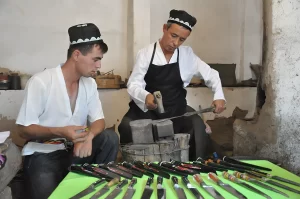
Uzbek knives are not only tools for everyday work but also works of art reflecting
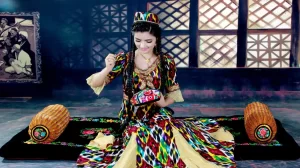
A tubeteika suits everyone: the grey hair of a wise elder and the braids of
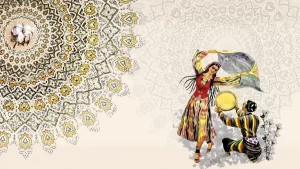
Who says walls must remain merely walls? Uzbek painting can turn a home into a