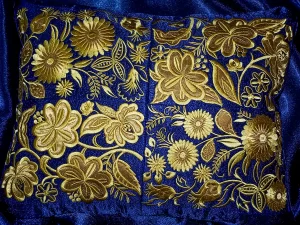
The luxury of Bukhara’s golden patterns: an art refined over centuries
Sometimes you open the wardrobe and see the same familiar things. Yet there are masters

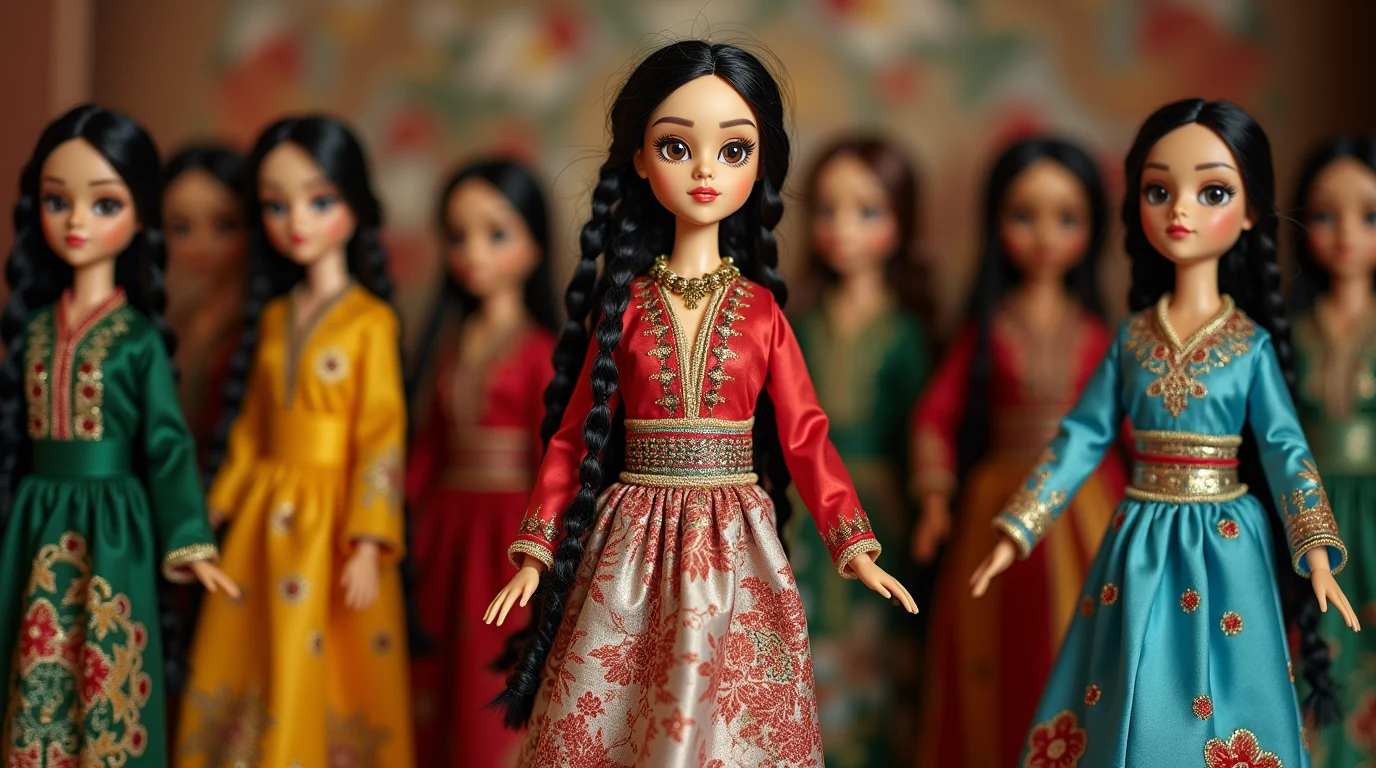
You go about your life, work and pass a souvenir shop—and suddenly notice a doll. It is not merely a toy, but a genuine work of art with history, culture and character. Uzbek dolls are more than collectibles; they reflect traditions and artistic skills passed from generation to generation. They hold an important place in Uzbekistan’s cultural heritage and express its rich history and customs. Collecting Uzbek dolls has become a popular pastime for residents and visitors alike. Let us consider the main aspects of collecting these dolls, their artistic and cultural value, and the exhibitions and museums where rare examples can be seen.
The art of doll making in Uzbekistan has deep roots reaching back to ancient times. The first references to dolls belong to the Timurid era, when puppeteers known as maskaraboz entertained crowds in markets and squares. Dolls were made from wood, papier-mâché, straw and clay. Every region developed distinctive styles and characters inspired by folk tales and epics.
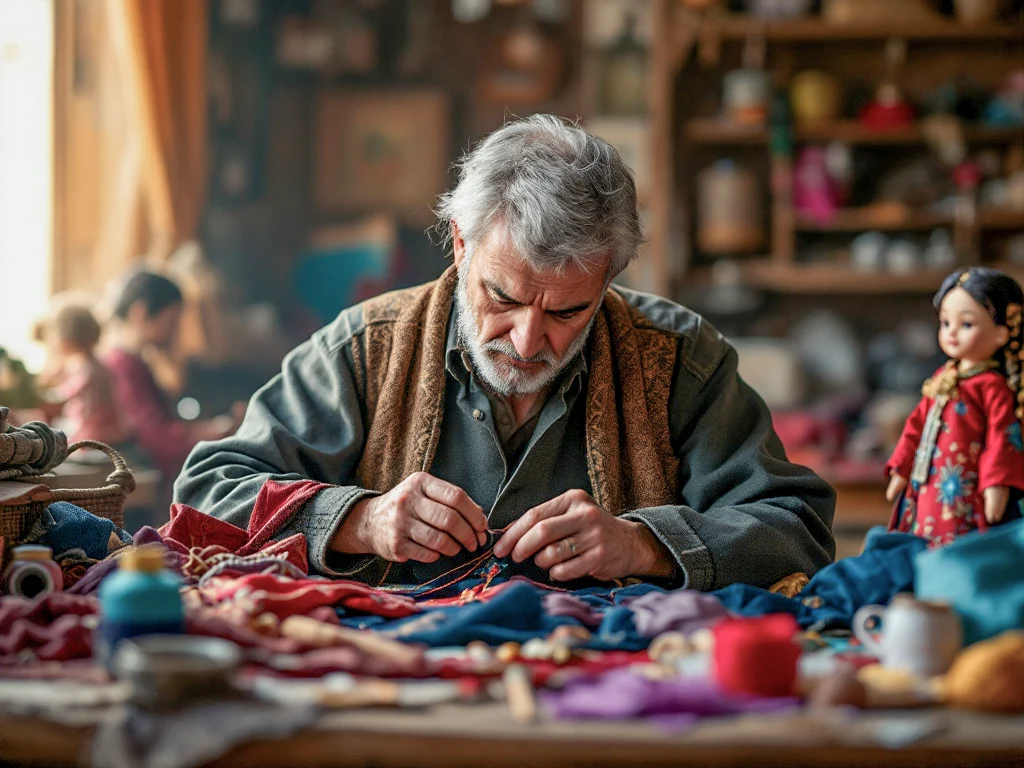
Collecting Uzbek dolls is more than a hobby; it is a way to connect with a centuries-old culture. Each doll reflects the customs and traditions of its people and depicts scenes from the lives of artisans, shepherds, or townspeople. The dolls preserve memories of a time when they formed part of folk rituals and celebrations.
Such dolls were originally created to tell stories, pass on traditions, and teach children. In time, they began to be used not only in daily life but also as decoration. Traditional Uzbek dolls now appear in collections and museums around the world, symbolising the distinctive identity of Uzbekistan’s culture.
Uzbek dolls include theatrical puppets, fabric and ceramic dolls, and carved wooden figures. Wooden dolls wooden dolls scenes from folk performances and tales. Their vivid, expressive faces reflect the emotions of the characters.
Fabric dolls usually wear traditional costumes associated with different regions of Uzbekistan. Their clothing is a work of art decorated with embroidery, beads, and vivid fabrics. Every doll conveys the particular style and traditions of its region, whether the Fergana Valley or Khorezm.
Uzbek dolls are not only toys, but important elements of cultural identity. Each doll is a work of art reflecting traditional Uzbek costume, symbols and customs. Dolls in national dress, for example, may represent different regions of Uzbekistan and their particular features. They also carry strong symbolic meaning and may portray characters from folk tales, such as Khoja Nasreddin or Palvan Kachal. This makes them not only collectible objects, but also bearers of the country’s history and culture.

Uzbek dolls are highly popular with collectors around the world. Rare examples, especially those made by masters of the past, are true works of art. They capture the spirit of their time and can reveal much about the daily life and culture of an era. Such dolls often appear at international auctions and may command substantial prices.
Dolls with distinctive features—hand-painted faces, unusual costumes or finely worked details—are the most valuable. Every such doll is made by hand and cannot be reproduced exactly, which makes it unique and desirable to collectors. Rare Uzbek dolls are valued for both their individuality and artistic merit. Craftspeople use traditional embroidery and tailoring methods with natural fabrics, giving each doll its own character. Some become true works of art through the detailed treatment of their costumes and accessories.
To begin a collection of Uzbek dolls, follow these helpful steps:
Uzbekistan holds various doll exhibitions presenting contemporary original work and historic examples.
Today, Uzbek dolls are popular not only among collectors but with everyone who enjoys ethnic elements in décor. They add distinctive colour and comfort to any interior. Dolls are also often used in themed exhibitions and given as gifts. These small works of art delight the eye while preserving history and tradition.
Collecting Uzbek dolls is more than assembling objects. It is an opportunity to touch history, learn about the culture of Uzbekistan, and preserve part of it in your home. Every doll has a distinctive story for you and your loved ones to discover.
Visit the Dolls section on SilkGranatto see the variety of Uzbek dolls and choose one for your collection. We present fine work by masters who place heart into every piece.
Sometimes you open the wardrobe and see the same familiar things. Yet there are masters

The traditions of silk production in Uzbekistan reach back to deep antiquity, and today these

Have you ever noticed how everyday concerns consume us? Meals, work calls and small errands
Exploring the crafts of Uzbekistan. For centuries, Uzbek craftspeople have produced textiles whose patterns and