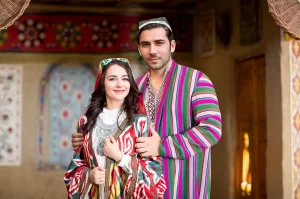
The evolution of Uzbek clothing: from traditional costumes to fashion collections
Uzbek clothing is a vivid symbol of the country’s culture, history and rich traditions. Over

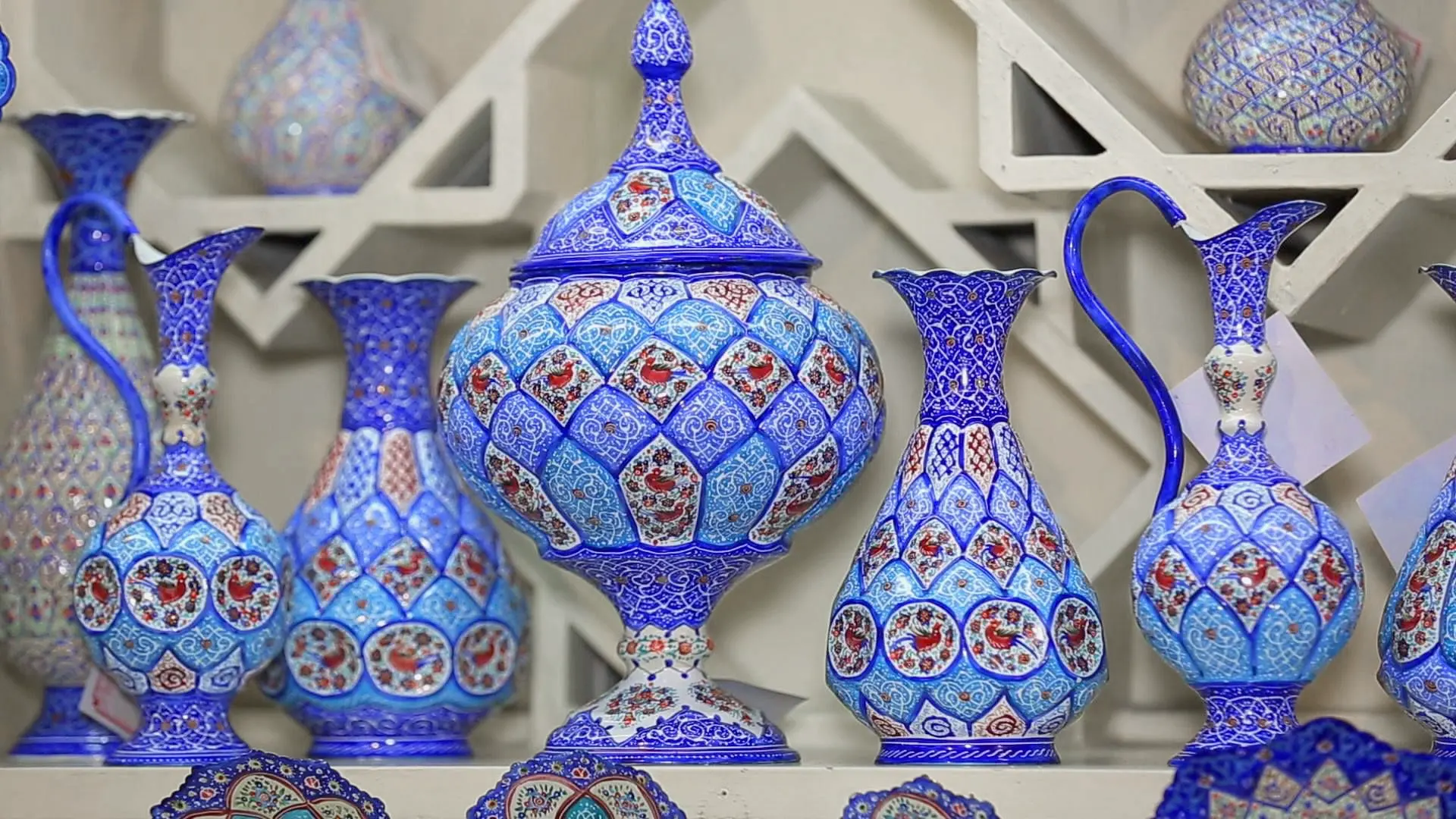
Uzbek artisans and masters of traditional arts are once again at the centre of global attention. Every item made by a craftsperson contains more than technique: it also carries the maker’s spirit, connection with their ancestors and love for their work. When you buy Uzbek handicrafts, whether suzani embroidery or Chust knives, you become the owner of a unique part of the culture. But how can you choose a truly high-quality piece and care for it so that it lasts for many years? That is what we will discuss in today’s article.
Choosing a high-quality handcrafted object requires attention and some knowledge. Every piece is unique, and distinguishing fine work from an imitation is not always easy. Consider the following criteria.
1. Materials.
Only natural materials are used to create genuine handcrafted products. Wood, clay, metal, and fabric must all be of high quality. Wooden objects , for example, are made from carefully selected timber to ensure strength and durability. The wood must be dry, free from cracks, and show no signs of decay.
2. Handmade work.
A genuine handcrafted object is always made by hand, and this can be seen in the small imperfections that make every piece unique. Pay attention to the neatness of the finishing. Ceramic objects, such as the “Pomegranate”vase, should have even lines and well-fired clay.
3. Artisan’s signature.
Many masters sign their work, especially unique pieces such as paintings or carpets. This mark of authenticity confirms that the object was made by a particular artisan rather than mass-produced.
4. Personal stories.
Every handcrafted object carries a story. Masters such as Vahobjon Buvaevplace into their work not only experience but also memories of ancestors and love for their culture. A genuine handcrafted piece always has a history that its maker or seller will gladly share.
Correct care helps handcrafted objects last for many years and retain their beauty. Consider the following recommendations for different types of products.
1. Wooden products.
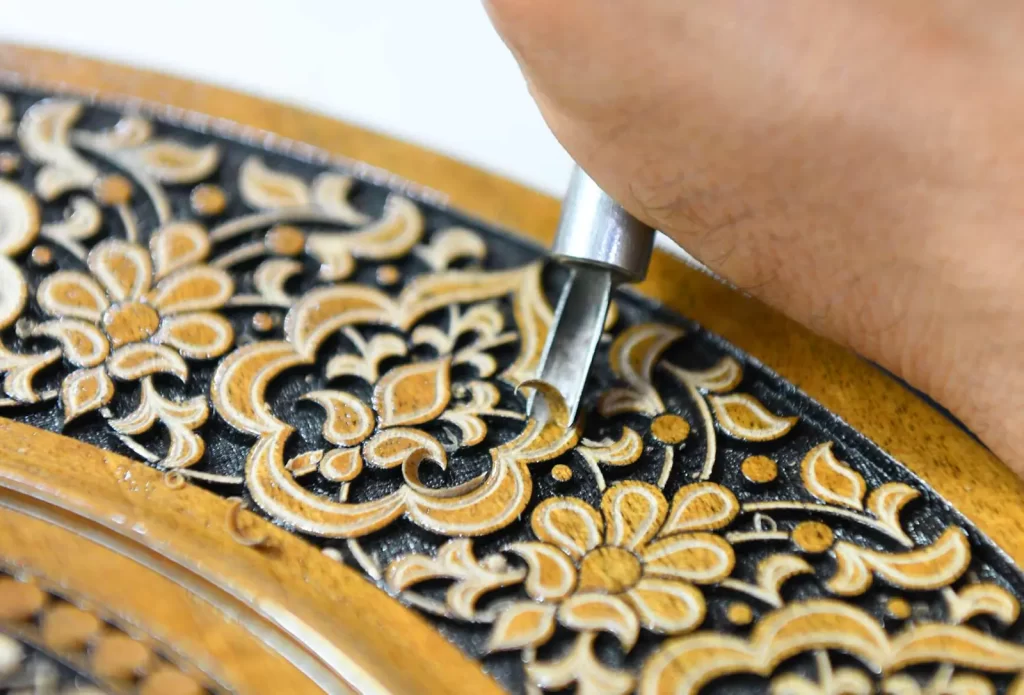
Wooden objects, whether kitchen utensils or decorative pieces, need special care. They should not be left in direct sunlight or high humidity, which can cause cracking. From time to time, wipe them with a soft cloth lightly moistened with vegetable oil to preserve their texture and colour.
2. Textiles and embroidery.
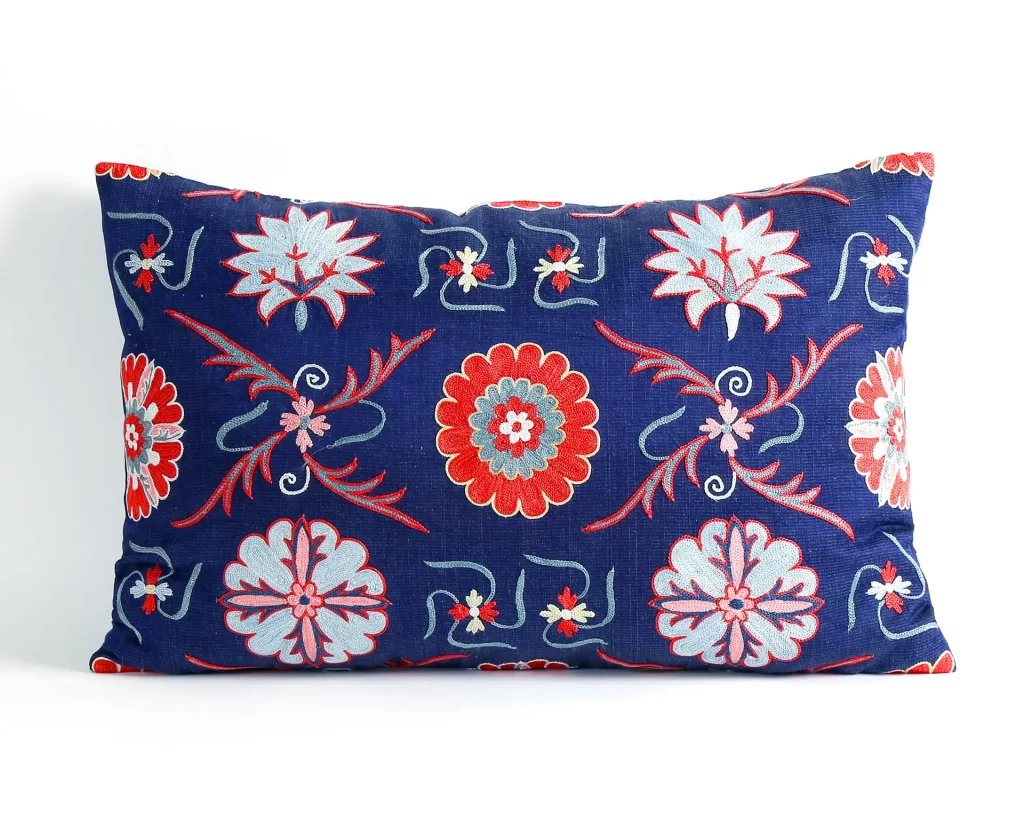
Traditional suzani embroidery is more than decoration; it is a symbol of Uzbek culture. To preserve it, machine washing is not recommended. Wash it by hand with a mild detergent and avoid aggressive chemicals. Dry the piece flat and keep it away from direct sunlight.
3. Ceramics.
Ceramic pieces such as decorative platesrequire careful handling. Avoid sudden changes in temperature, which may cause cracks. Clean with a soft sponge and warm water and avoid abrasive products that can damage the glaze.
Handcrafted objects carry the maker’s spirit and remind us that beauty and art can be part of daily life. As Leo Tolstoy wrote, every object contains part of a person’s soul. In a world of modern technology and mass production, craftwork reminds us of the value of manual labour and respect for material culture. It makes our homes more welcoming and creates an atmosphere of warmth and connection with tradition.
By choosing objects made by masters such as Khakim Tadjibaev, we support artisans and preserve traditions passed from generation to generation. Craft is more than work; it is a philosophy of life that teaches us to value labour and beauty in small details.
Buying a handcrafted object is more than a purchase. It is an investment in culture and support for masters who preserve the traditions of the past and share them with the world. Choose thoughtfully and care for each piece with affection, and it will bring pleasure for many years while retaining its distinctive beauty and the warmth of its maker’s hands.
Uzbek clothing is a vivid symbol of the country’s culture, history and rich traditions. Over

Have you ever tasted plov cooked not simply in a kitchen but with the In
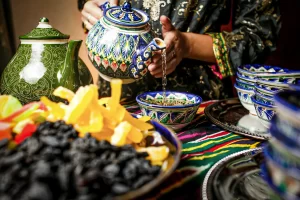
In the world of décor, where style and practicality go hand in hand, ceramics have
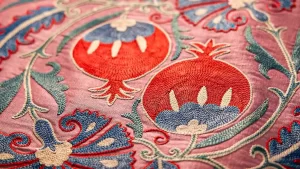
Embroidery on fabric is an ancient art passed from one generation to the next. Today