
Uzbek dolls as collectable art: rare examples and their value
You go about your life, work and pass a souvenir shop—and suddenly notice a doll.

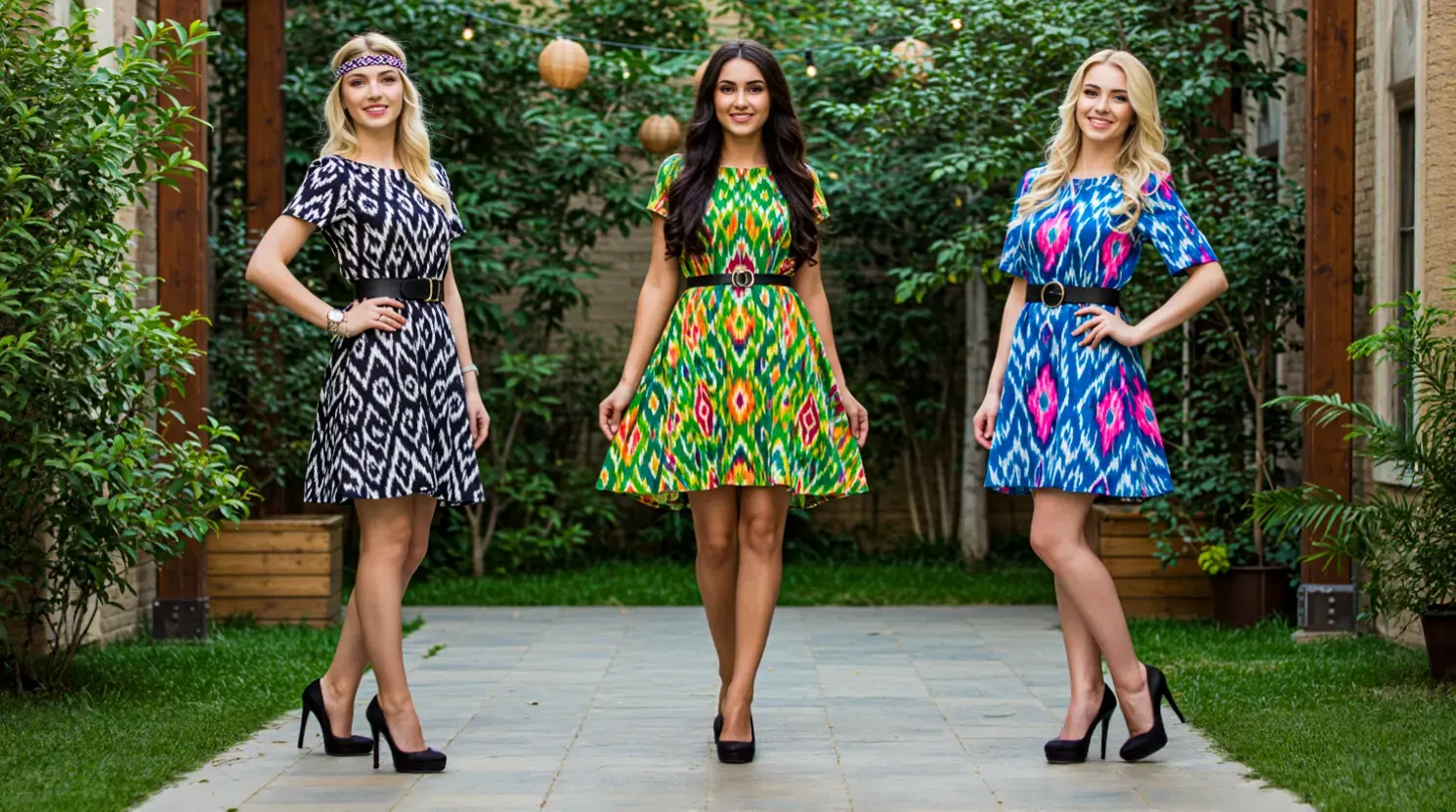
Every morning begins with a familiar ritual: open the wardrobe, look at dozens of garments and sadly wonder whether to wear the same thing again. Modern life resembles an endless television series in which the characters always have identical costumes. But step onto a street in Tashkent or Samarkand and you suddenly notice someone skilfully pairing bright ikat with jeans, another person wearing a velvet robe with trainers, and someone else turning a traditional tubeteika into a fashionable accessory. This is contemporary Uzbek fashion, where past and future meet on one catwalk.
Not long ago, things were very different. During the Soviet period, national motifs in clothing were the exception rather than the rule. People sought uniformity, while ethnic elements were hidden in their grandmothers’ chests. Time has put everything in its place: today Uzbek style is both a tribute to tradition and a way to make a statement on the world stage. The irony is that, while trying to be like everyone else, we still return to our roots—only now with a fresh perspective.
In a world where everyone seems to be trying to look alike, we want to stand out. But how? Clothing is more than fabric; it is a way to make a statement. Uzbek designers understood this early: they do not simply sew garments but create a mood, character and story. Ethnic style was once associated with museum displays, but now it stands at the height of fashion. After all, fashion concerns identity as much as beauty.
Remember how pleasant it is to wear something special, perhaps an adras jacket or a hand-embroidered scarf. It immediately feels like a celebration, even on an ordinary Tuesday. It is also a wonderful conversation starter. “Where did you find something so beautiful?” passers-by ask. You proudly tell them about artisans from Fergana or Bukhara, how long you spent choosing the pattern, how you consulted friends and even bargained with the seller at the bazaar.


Tashkent Fashion Week is an event eagerly awaited by everyone. Tradition and innovation meet there, while the catwalk becomes a stage for bold experiments. Inspired by ancient ornaments, designers create collections that people want to wear every day. The Mursak brand, for example, uses silk from the Fergana Valley, while Dildora Kasimova combines classical patterns with modern silhouettes. Even office clothing can now carry elements of national decoration, and rather than appearing strange, they emphasise individuality.
“Aren’t you afraid the traditions will be lost?”
“Quite the opposite. We preserve them; we simply give them a new life,” the artisan replies, straightening the embroidered collar of his robe.
This year the catwalk featured not only established masters but young designers boldly experimenting with form and colour. The Liliya Dulat collection, for example, drew inspiration from 1990s office fashion but added bright ethnic accents. The Dilnoz brand surprised audiences by combining ancient embroidery techniques with modern textiles. All of this proves that Uzbek fashion is not a museum exhibit but a living organism that constantly develops.
Uzbek fashion has always stood at a crossroads of cultures. During the era of the Great Silk Road, fabrics and ornaments from Samarkand and Bukhara were worth their weight in gold. In the nineteenth century, ikat and adras signified status, while artisans passed the secrets of their craft from generation to generation. The Soviet period brought standardisation, yet festive clothing still preserved distinctive elements: embroidery, gold stitching and bright colours.
Today, thanks to the internet and social media, Uzbek designers are entering the global arena. Their collections appear in Vogue and Harper’s Bazaar, while photographs from Tashkent Fashion Week travel around the world. Fashion is becoming not only a means of self-expression but also an important part of the national brand. More and more tourists visit Uzbekistan not only for plov and architecture but also for unique handmade pieces (learn more).
“What if I do not know where to begin?”
“Just try it,” advises a young Tashkent designer. “Begin with something small, and you will be surprised how easily ethnic style enters your wardrobe.”


After a couple of weeks, you may notice that you receive more compliments. People ask where you found such an unusual piece. Most importantly, you begin to feel that you are not merely following fashion but creating it yourself. Experts note that uniqueness bold combinations are precisely what make Uzbek style recognisable around the world.
In a SilkGranat.uz review, a customer named Marina writes: “I ordered an adras jacket. The quality is remarkable, and it attracts so much attention. Even my colleagues ask where I bought it. Now I would also like an embroidered bag.”
Of course, the choice is not always simple. Finding a high-quality piece may be difficult, and wearing a bright look can take courage. Yet the result is worth the effort. One regular customer says, “I was always afraid to wear something unusual, but when I tried it, I received so much pleasure and attention.”
There are practical considerations: natural fabrics need special care, and handwork takes longer than buying from a mass-market shop. Yet this is precisely the appeal. You own a unique piece carrying the care of its maker.
“Why did you choose ikat, master?”
“Because every pattern contains a story. This ornament, for example, symbolises happiness and prosperity, while that one protects against the evil eye. When I work, I always think about the person who will wear my piece. I want it to bring joy.”
“Do you wear your own pieces?”
“Of course. I am always pleased when I see someone in a similar robe or carrying a bakhmal bag. It means the tradition is alive.”


Modern Uzbek fashion concerns economics as well as style. A growing number of brands are entering international markets and taking part in global exhibitions and collaborations. Collections by Uzbek designers can be found, for example, in boutiques in Dubai, Paris and Milan. Demand for handmade products is increasing not only among tourists but also among local people, who more often choose authentic objects for everyday life.
According to the Association of Designers of Uzbekistan, textile exports grew by 30 per cent over the past three years. This not only generates income but also builds a positive image of the country internationally. More young people are choosing careers as designers or artisans, opening their own workshops, and taking part in competitions and festivals.Learn more).
The moment you enter the workshop, you feel its special atmosphere: the smell of pigments, the rustle of fabric and light falling across a table covered with patterns. The craftspeople work quietly, speaking only occasionally as they discuss new ideas. Sketches, photographs and fabric samples cover the walls. Every ornament is more than a drawing; it expresses an entire philosophy. A pomegranate design, for example, symbolises abundance, while flowing lines represent the course of life. The choice of material is equally important. Natural silk, cotton and velvet are used for jackets and robes, while leather, wood and beads are chosen for accessories. Together, they create an unmistakable character that cannot be imitated.


Ethnic elements gradually become familiar. Soon, you cannot imagine your wardrobe without a bright scarf or embroidered jacket. When friends ask for advice, you gladly share the addresses of shops and workshops where they canbrowse the range).
Many people notice that adding ethnic pieces to a wardrobe changes mood as well as style. It brings confidence, a wish to experiment, and the pleasure of owning something genuinely individual.
Modern Uzbek fashion is more than clothing. It is a way to express yourself, preserve tradition and inspire others. Every new look is like a small adventure in which past and future walk hand in hand. Try it, and you may be surprised how easy it is to become part of this story. As artisans say, “Fashion is the mirror of a people’s soul.” If that mirror reflects joy, creativity and respect for one’s roots, everything is moving in the right direction.
You go about your life, work and pass a souvenir shop—and suddenly notice a doll.
They say that if you cannot find your bag in the morning, the entire day
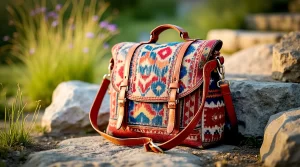
Every morning begins with the search for the right bag—one that can hold everything needed
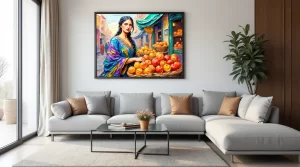
While sitting at home, we often wonder how to make the interior more interesting and