
Modern Uzbek fashion: how designers reinterpret ethnic style
When your wardrobe resembles a supermarket: the irony of everyday life. Every morning begins with

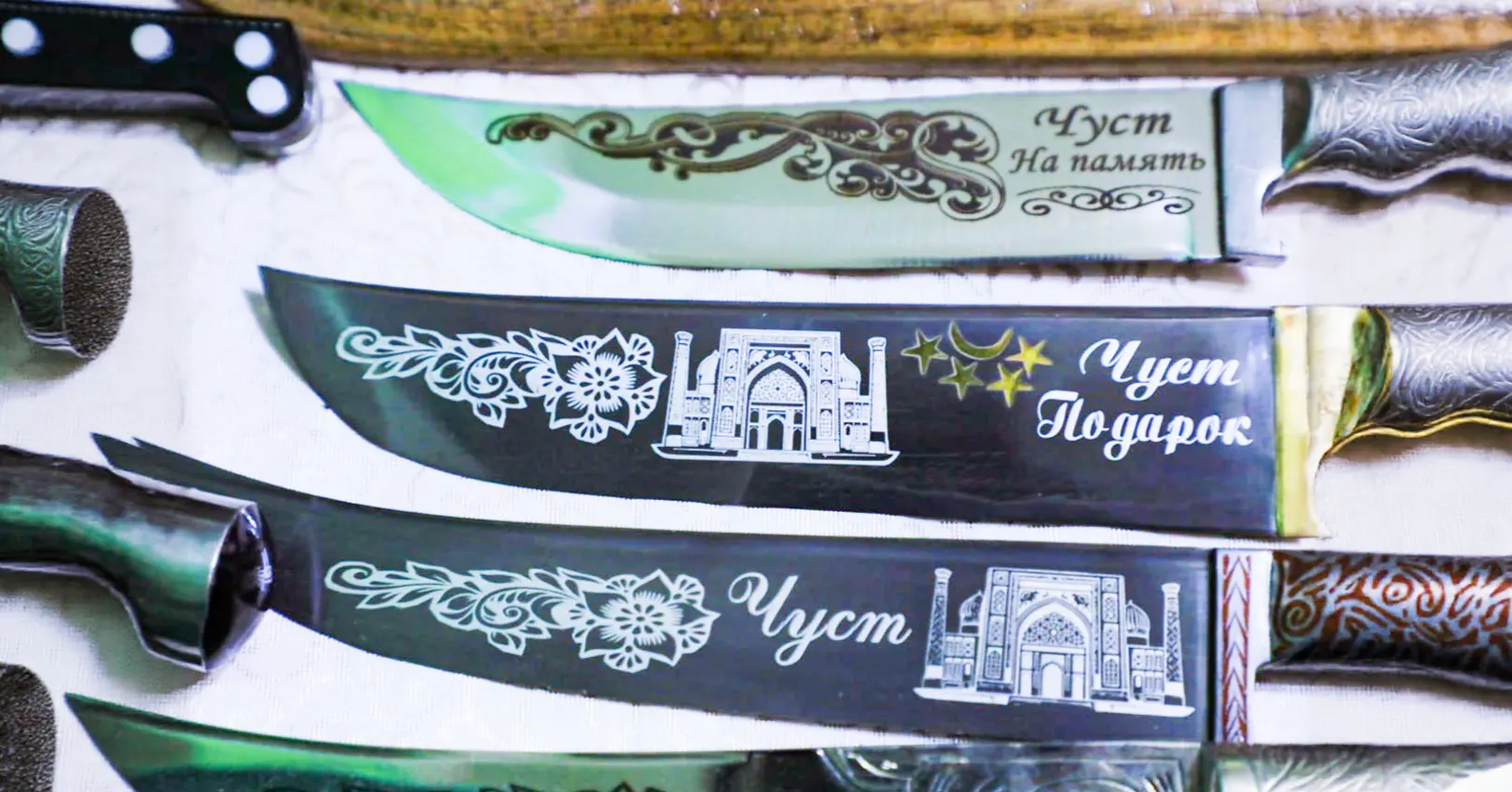
A modern kitchen is a place where minimalism meets advanced technology: smart refrigerators, voice-controlled microwaves and knives that can be bought for next to nothing at the nearest shop. Yet true connoisseurs know that slicing a watermelon or preparing plov with an ordinary knife is like playing a guitar without strings. Real skill calls for a real tool. This is where Chust knives enter the scene—symbols of ancient tradition and refined artistry. A modern kitchen is a place where minimalism meets advanced technology: smart refrigerators, voice-controlled microwaves and knives that can be bought for next to nothing at the nearest shop. Yet true connoisseurs know that slicing a watermelon or preparing plov with an ordinary knife is like playing a guitar without strings. Real skill calls for a real tool. This is where Chust knives enter the scene—symbols of ancient tradition and refined artistry.
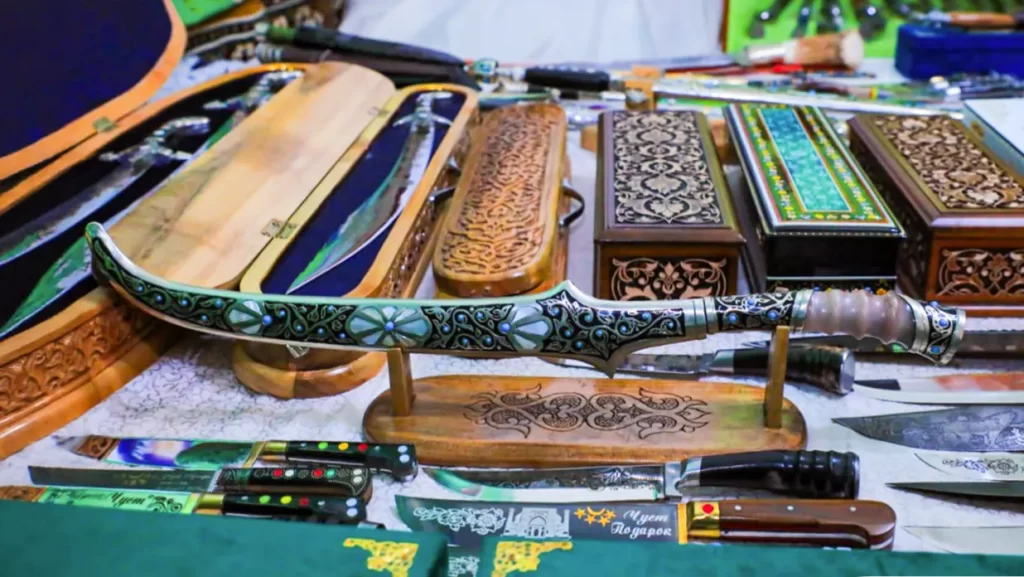
A Chust knife is more than a practical object. It embodies Uzbekistan’s craftsmanship, with every detail telling part of a story. These knives are made with close attention to every stage, from selecting the metal to applying the final engraving. Each line on the blade bears the mark of traditions passed down over centuries.
Chust knives are practical as well as decorative. Their blades remain sharp even with frequent use, while handles made from rare woods or horn provide a secure grip. These knives have become symbols of quality and are highly valued both in Uzbekistan and abroad.
Look closely at the distinctive patterns on blades and handles. They are not simply decoration but a code written in metal, carrying culture and tradition from one generation to the next.
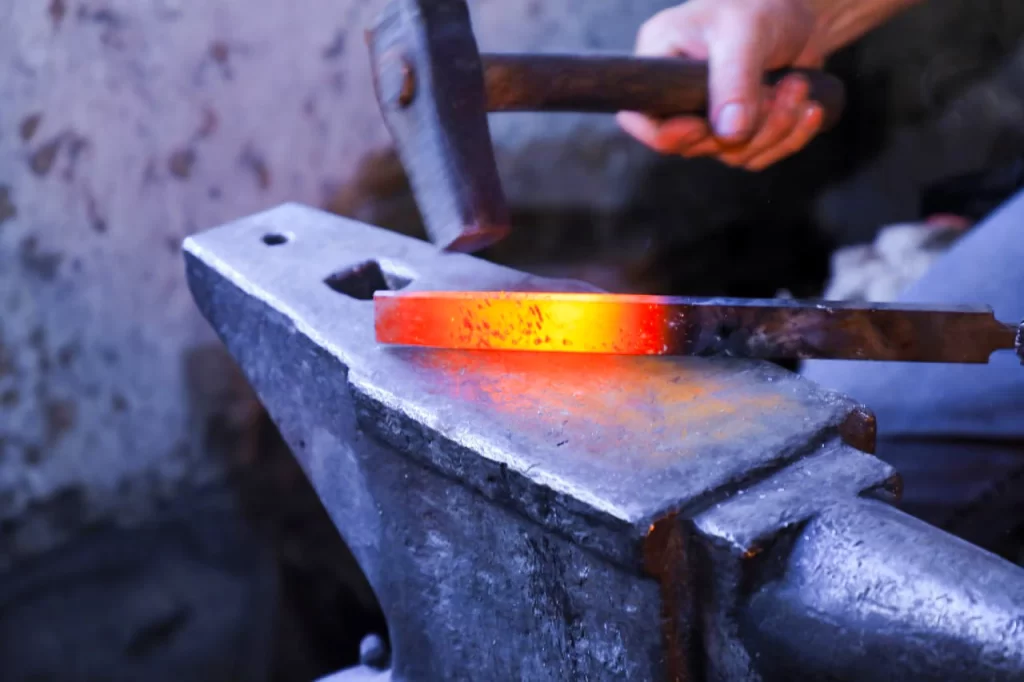
One photograph shows forging in progress. Holding a hammer, the master transforms glowing metal into a knife blank. It is a kind of magic in which the forces of nature meet human art. The metal is selected with exceptional care to ensure strength and durability. Grinding then turns the rough blank into a blade ready for engraving.
Next comes the finishing stage. Every line of the blade is refined to perfection, while carving is applied to the handle to make the knife both comfortable and unique. Some knives are inlaid with mother-of-pearl or precious metals, giving them special charm. The final stage is polishing, which adds shine and protects the blade from corrosion.
Making a knife takes from several days to several weeks, depending on the complexity of the work. It requires great skill and patience. Every Chust knife is therefore more than a tool; it is a genuine work of art.

Other photographs show finished knives with remarkable engraving. Flowers, architectural motifs, and even phrases such as “Chust. A Gift” turn the blades into works of art. Every engraving is completed by hand, making each knife unique.
“Can this knife be used for everyday cooking?” asks a workshop visitor. “Of course,” the master smiles, “but be prepared for your guests to study it longer than your dishes.”
This brief dialogue shows that a Chust knife is more than a tool; it is a reason for admiration. Behind every piece lies a story worthy of its own conversation. Masters place not only physical labour but also centuries of tradition into their work, making every knife unique.
Conversations beside a display case become informal tours of the world of craftsmanship. The owner of a Chust knife is not simply a user but a guardian of tradition who takes pride in the acquisition. Such exchanges emphasise the emotional bond between buyer and maker and turn the knife into more than a tool. It becomes memory, pride and cultural heritage in a single object.
Despite their beauty, Chust knives remain remarkably practical. Their sharp blades handle everything from slicing fruit to preparing meat. Every blade is honed to a fine edge so that it passes easily through even dense foods. The thickness and balance of the blade also make the knife comfortable to use and reduce strain on the hand.
Handles made from wood or horn are visually appealing and ergonomically designed. They provide a secure grip and help prevent slipping even in demanding conditions. The warmth of natural materials gives a knife a special appearance and makes it comfortable to use. Their thoughtful design makes Chust knives suitable for professional chefs as well as enthusiasts seeking to turn cooking into an art.
These knives are easy to wash and need little care. An occasional wipe with a soft cloth and a drop of oil preserves their shine and durability. This makes a Chust knife more than a kitchen tool; it becomes a dependable daily assistant.
Chust knives have deep roots that reach far into the past. The earliest references to a workshop in the town of Chust date to the seventeenth century, when blacksmithing flourished in the region. It is said that every master had personal production secrets shared only with the most trusted apprentices or members of the family.
These knives became symbols not only of professional skill but also of cultural heritage. Every piece, whether for daily or ceremonial use, had a role in people’s lives. Chust knives were often given at weddings or important events as symbols of strength, protection, and prosperity.
These traditions remain alive today. Modern masters carefully preserve ancestral methods and add only limited modern technology to improve quality. Every knife tells a story that begins with red-hot metal and ends in the owner’s hands, linking one era with another.

Today, Chust knives.
Chust knives are especially popular with people looking for unusual yet practical souvenirs. Such pieces often become a topic of conversation at culinary gatherings and gastronomic workshops. Owners praise their ergonomics, durability and distinctive beauty. Their popularity is growing because of their individuality, history, skilled workmanship and ability to become a true ornament in a kitchen or collection. Visit our catalogue Chust knives and choose your ideal tool.
A Chust knife is more than a tool. It is part of the history, art, and culture of Uzbekistan. Every piece is a small masterpiece, made with close attention to detail and remarkable skill. Its distinctive design and rich decoration attract admiration, making it a focal point in a kitchen or collection.
Such knives offer more than functionality: they symbolise the owner’s high status and refined taste. They remind us that even in a world of modern technology, handwork and centuries-old traditions remain an unsurpassed standard of quality. Make your kitchen special by adding a piece of art that connects generations and inspires culinary masterpieces.
When your wardrobe resembles a supermarket: the irony of everyday life. Every morning begins with
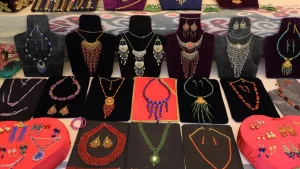
Uzbek costume jewellery is a distinctive world of vivid colours and graceful forms permeated by

“Lost your earrings again?” asked her husband, trying to hide his surprise. Did you know
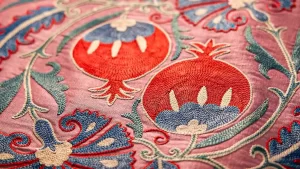
Embroidery on fabric is an ancient art passed from one generation to the next. Today