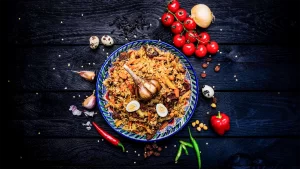
Uzbek cuisine: secrets not to miss, with tradition and inspiration gathered around one table
Have you ever tasted plov cooked not simply in a kitchen but with the In

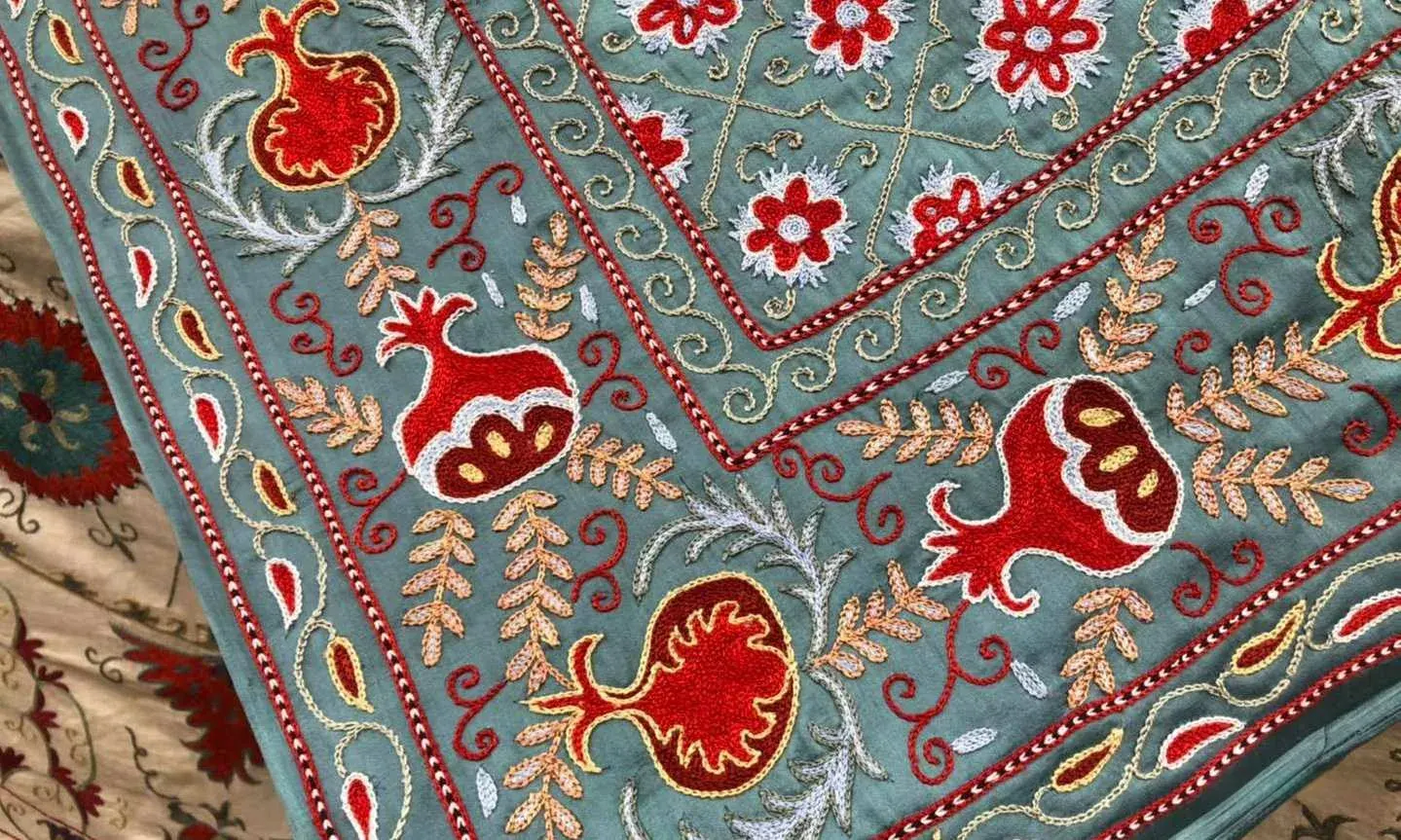
Uzbek ornaments are more than beautiful designs on textiles or ceramics. They are profound symbols carrying the spirit of the people. In a modern world where we often forget our roots, Uzbek patterns remind us of our connection with nature and cultural heritage. As a wise person might say, “Sometimes you should stop and look at a carpet to understand your life.” So let us take a closer look at the patterns.
Every botanical motif in Uzbek ornament carries a story. The cornflower, a small field blossom, symbolises a young man’s youth and energy. Perhaps that is because cornflowers, like young people, can push through even the toughest obstacles. The red poppy represents a girl’s tenderness and beauty. Curiously, its simplicity and innocence conceal a strength that attracts the eye.
The tulip is associated with purity and innocence. It often appears in ornaments on embroidered suzanis and headdresses. The rose, by contrast, represents harmony. It does more than decorate clothing or fabric; it reflects wholeness and balance in life. here. The rose, on the other hand, represents harmony. This flower does more than decorate clothing or textiles: it reflects wholeness and balance in life.
Pomegranates and almonds also appear in traditional patterns. The pomegranate symbolises wealth and abundance. Its juicy fruit recalls fertility and prosperity, a subject explored further in the Fabrics section on SilkGranat. The almond represents longevity and health—wishes that a master places into every piece.
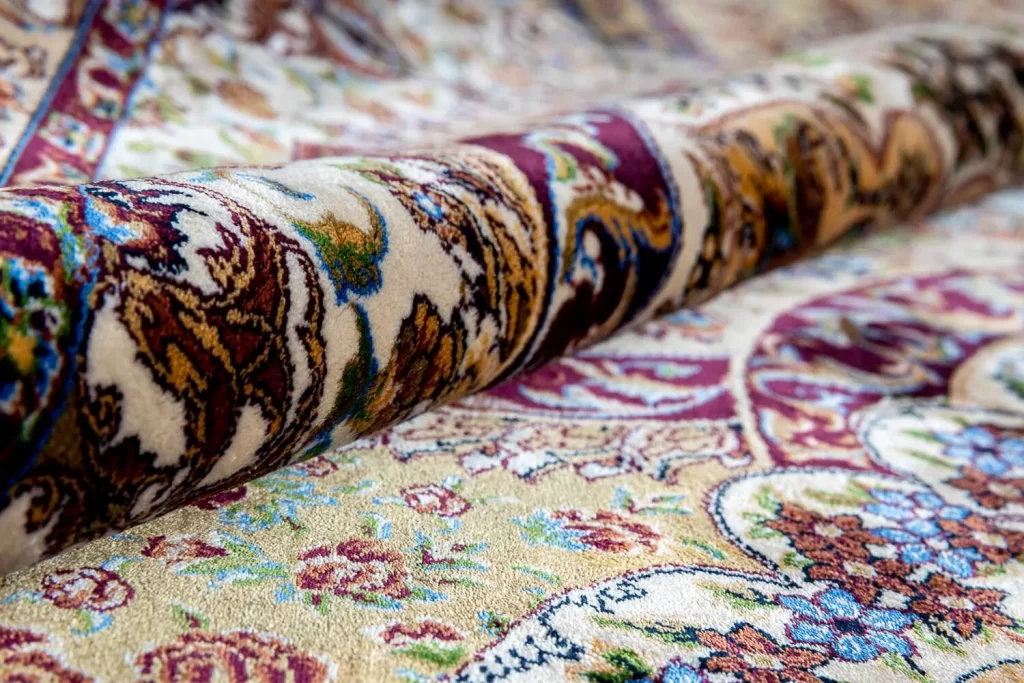
Among animal motifs, the ram and the nightingale stand out. The ram symbolises courage and strength, qualities that have always been highly valued in Uzbek culture. This may explain why ram motifs often appear on ceramics and carpets . Carpets are certainly worth exploring if you are interested in ornaments of this kind.
The nightingale, by contrast, symbolises wisdom. This small songbird is a true teacher, reminding us that even in difficult circumstances we can find our own song.
The firebird stands apart as a symbol of happiness. Patterns depicting it are always bright and detailed, as if transmitting light and joy.
Geometric patterns are equally important. The eight-pointed star, found in architecture and ornament, symbolises harmony and balance. It reminds us that life requires not only forward movement but also equilibrium.
A chilli pepper motif in Uzbek ornament is regarded as a charm against the evil eye. This may explain why such patterns are popular in homes: they decorate an interior while carrying protective meaning.
The sun, moon, and stars reflect cosmic harmony. Patterns with these elements often decorate suzanis and other embroidery available in the Suzani Embroidery.
Every product with Uzbek ornaments needs appropriate care. Embroidered textiles should be washed by hand in cool water to preserve their colours. Ceramic pieces are best wiped with a soft cloth so that the patterns remain clear. Carpets should be professionally cleaned to extend their life for many years.
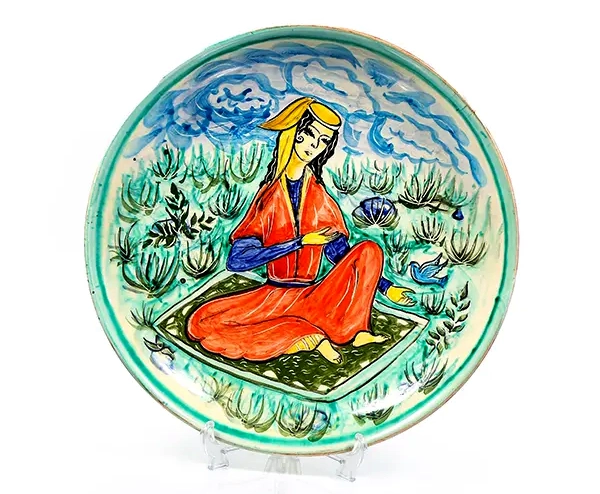
Traditional patterns were often created by women who placed part of themselves into every stitch. One suzani, for example, may tell of a young man who left to seek work and gave his beloved an embroidered scarf bearing a pomegranate, a symbol of hope for a better future.
Such stories give objects special charm and make them truly unique. This is more than a thing; it is an artefact comparable to a magical object from a tale, holding the strength of ancestors.
Today’s Uzbek artisans are masters whose work is becoming part of the world’s cultural heritage. Every pattern, whether a plant motif or a geometric shape, carries deep meaning. When you order an item with traditional ornaments from our online shop, you receive more than an object—you become part of this remarkable culture.
Every object reminds us that even in a technological world, we must preserve our roots and remember who we are.
Have you ever tasted plov cooked not simply in a kitchen but with the In
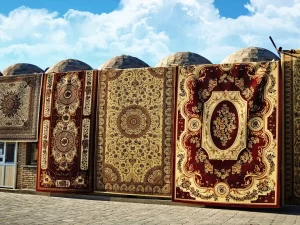
Uzbekistan’s artisans are guardians of unique traditions whose roots reach deep into the past. Carpets
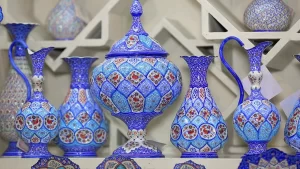
Uzbek artisans and masters of traditional arts are once again at the centre of global
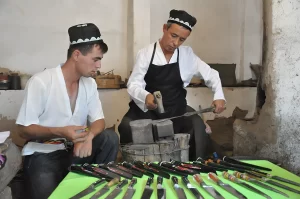
Uzbek knives are not only tools for everyday work but also works of art reflecting