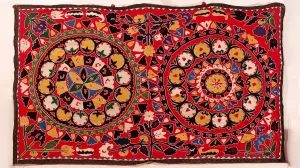
Uzbek suzani
A visitor accustomed to a Western lifestyle may be surprised on first entering a traditional


“It seems that beautiful plates live in our homes only for guests, while an old piala is good This irony reflects everyday life in many Uzbek families, where ceramics are not only household objects but also part of the culture. Uzbek pottery has travelled a remarkable path over the past fifty years. Let us explore its history to see how it preserved tradition while absorbing the spirit of changing times.
Ceramic craft in Uzbekistan is more than a thousand years old. Rishtan, Gijduvan, Samarkand, and Tashkent became major centres, each offering its own style.
Ceramics were once entirely functional: pialas, jugs, and lyagans were used every day. Even then, every object carried ornaments symbolising nature, wealth, and harmony.
In old workshops, every stage—from preparing clay to painting—took considerable time. Secrets passed from father to son, and every detail held symbolic meaning. Birds, for example, were associated with peace, while floral motifs represented fertility.
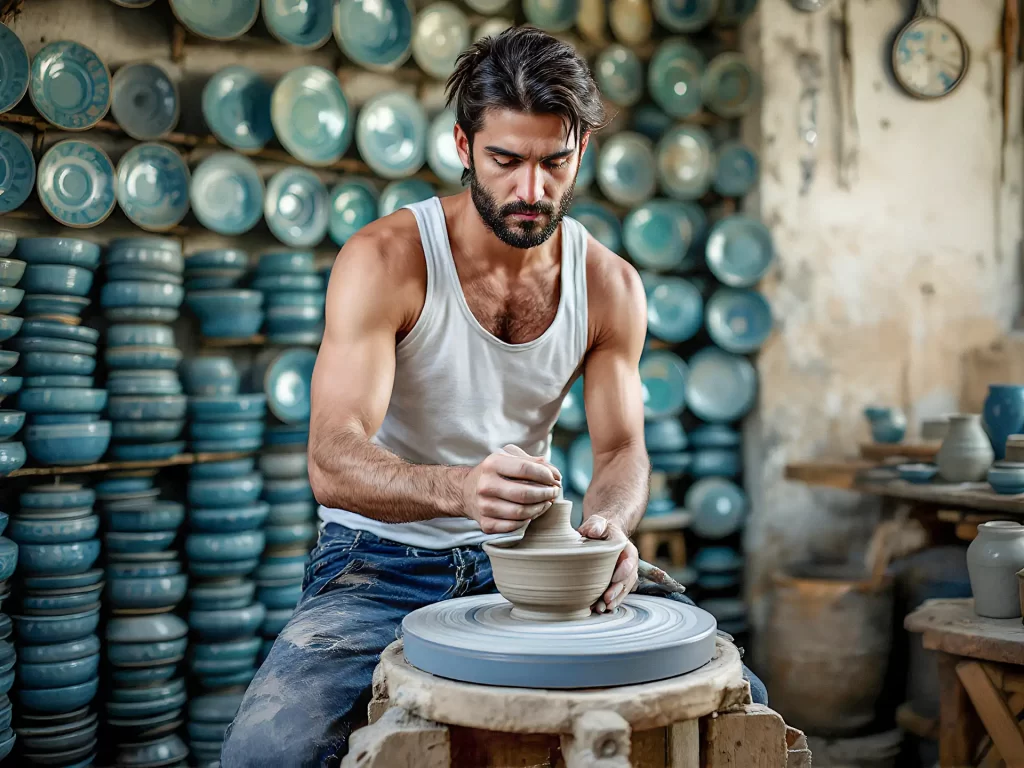
Traditional Uzbek ceramics have always been rich in symbolism. Every pattern told a story. Grapes represented fertility, for example, while blue shades recalled the clear sky. Today’s masters also use more universal and minimalist motifs.
Example. Instead of a richly patterned piece, you may now find a plain plate with a delicate plant ornament. This makes ceramics more suitable for contemporary interiors.
Trend. Contemporary masters create “everyday” ranges that combine traditional forms with new colours. Pastel pieces, for example, are popular because they suit Scandinavian interiors.
Where artisans once relied entirely on manual work, modern technology now assists them:
Many masters continue to use traditional methods. Rishtan still favours ishkor glaze made from plant ash. It gives ceramics a distinctive sheen that modern materials cannot reproduce.
Fact. Masters say that despite technical improvements, hand modelling and painting remain the foundation of the craft because they contain the soul of the piece.
Ceramics were once used entirely for daily purposes, but today they also form part of the art world. Contemporary pieces fall into three main categories.
Contemporary designers actively use Uzbek ceramics in interiors. Decorative plates often become accents in minimalist rooms. Bright dishes with traditional patterns enliven kitchens and dining areas, while vases and figures suit sitting rooms and bedrooms.
Tip. When introducing ceramics into an interior, choose pieces that echo the room’s colour palette.

Many people fear using ceramics every day because they seem fragile. Correct care, however, keeps them safe for years.
Ceramics have always been more than objects. They represent Uzbekistan’s rich history and culture. At weddings, ceramic pialas hold sweets, while lyagans form the centre of the festive table.
Ceramics have become part of cultural exchange in recent years. Uzbek masters’ work consistently attracts attention at international exhibitions. Rishtan pialas, for example, are purchased both as souvenirs and as decorative objects.
Uzbek ceramics show how tradition can live harmoniously beside modern trends. Every pattern and form embodies skill and respect for history. By buying ceramics, you become part of this culture, support its masters, and help preserve the craft.
A visitor accustomed to a Western lifestyle may be surprised on first entering a traditional
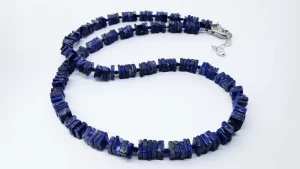
Uzbekistan is famous not only for its rich culture and traditions but also for the
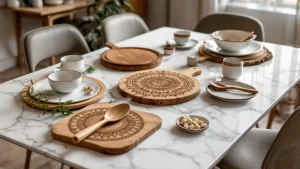
Curiously, wooden kitchen utensils often become a focal point not only in the kitchen but

“Every morning at home feels like a school break: everyone runs about, makes noise, and