Ceramics in modern home décor: how to choose and use Uzbek pottery
In the world of décor, where style and practicality go hand in hand, ceramics have

The traditions of silk production in Uzbekistan reach back to deep antiquity, and today these distinctive techniques remain one of the symbols of the country’s cultural heritage. Fine threads transformed into luxurious fabrics have always impressed people with their delicacy and beauty. How did artisans create—and how do they still create—silk valued throughout the world? Let us explore the methods and secrets of ancient craftspeople that continue to live in modern workshops.
Silk became an essential part of Uzbekistan’s history and culture through the trade routes connecting East and West. The Great Silk Road enabled not only the exchange of goods but also the development and spread of craft techniques around the world. Masters in Bukhara and Samarkand learned to weave silk and transformed it into refined products that became synonymous with high quality and beauty.
Over time, Uzbek artisans developed distinctive techniques used by many generations. Through this cultural exchange, silk fabrics acquired an unmistakable style reflecting the richness and variety of the region.
Silk production begins with tiny silkworms that form cocoons. These delicate creatures produce the filaments from which silk is made. Uzbek artisans developed methods of handling cocoons carefully so that the silk thread could be extracted intact.
The cocoons were soaked in warm water, which softened them and allowed the threads to be carefully unwound. This process demanded great skill and precision, as every thread had to remain whole, with no breaks or flaws. Only such careful work could produce the threads later woven into silk cloth known for its softness and sheen.
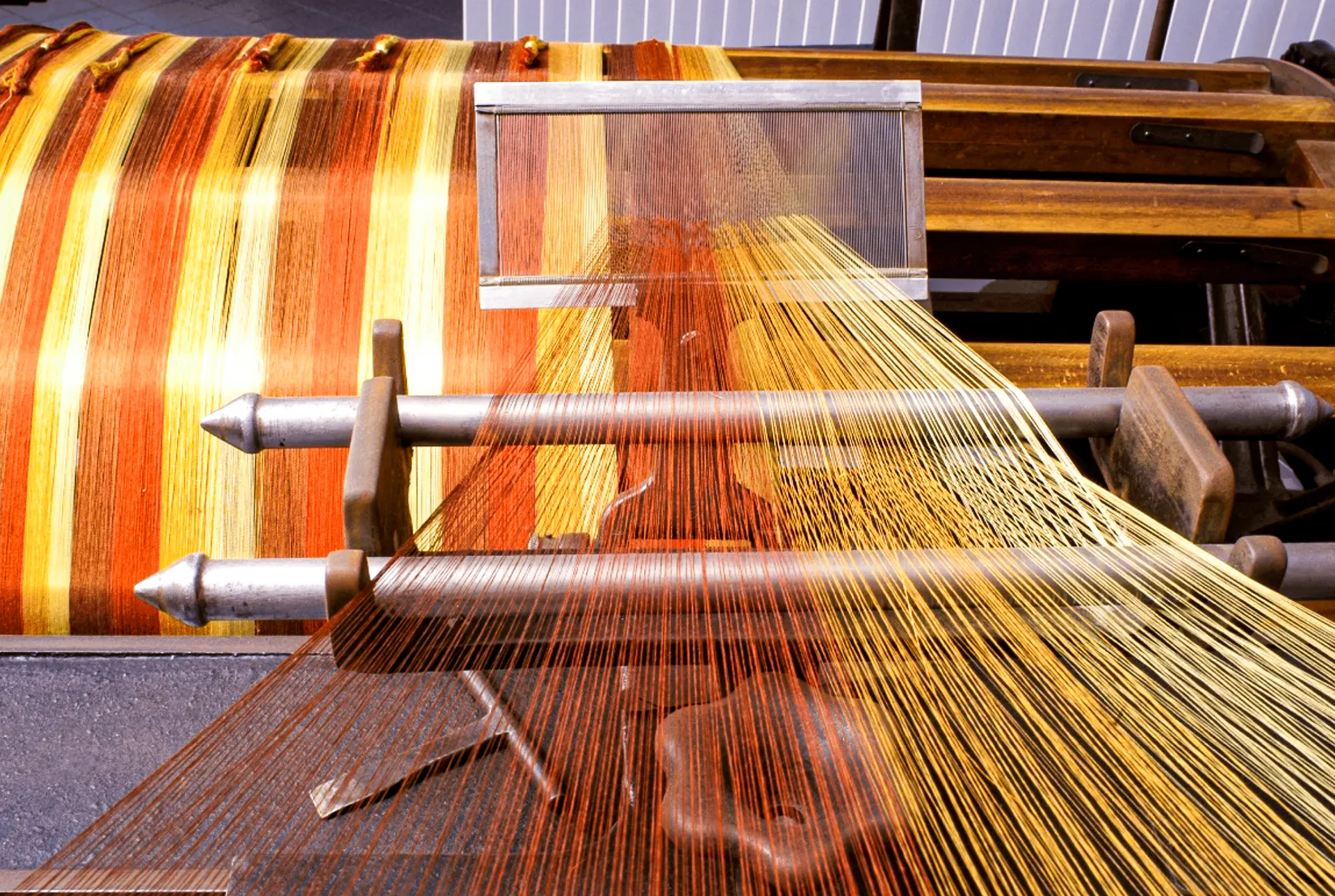
Creating silk cloth requires not only labour but also skill comparable to art. Ancient masters used handmade looms, each of which was unique. They wove patterns that often represented good wishes, protection, and a connection with ancestors.
Every piece produced on these looms featured distinctive patterns that reflected local traditions and beliefs. Silk weaving in Uzbekistan was more than a craft; it was a philosophy in which every line and shape carried deep meaning. These patterns remain alive today and are still used in products found on the market.
Despite the arrival of new technology, modern Uzbek artisans continue to preserve old silk-making techniques. In their workshops, masters can be seen weaving fabrics by hand and combining traditional methods with modern ones. This approach not only protects the craft but also makes silk products available to a wider audience.
Handweaving takes considerable time, but the result is unique cloth that modern machines cannot reproduce. Such textiles carry the warmth of the maker’s hands, spirit and patience in every thread. The SilkGranat shop offers a wide selection, including silk fabrics and finished productscreated according to traditional techniques.

Silk products require careful handling to retain their appeal. The following recommendations will help you care for silk correctly.
These simple tips will help keep silk items in excellent condition for many years.
Silk fabrics have always held a special place in Uzbek culture. They were used for national costumes worn at celebrations and important events. Silk represented prosperity and high status, and making it required both considerable skill and time.

Silk fabrics continue to play an important role in Uzbekistan’s cultural life. They remain an essential part of national dress and interiors and are sought after by admirers of traditional art. Handwoven cloth preserves the spirit of the past and passes the distinctive culture of Uzbekistan to future generations.
Uzbekistan’s silk fabrics are a rich heritage passed from generation to generation. They symbolise the connection between eras and the diligence of masters who continue to preserve and develop ancient traditions. By purchasing a silk product, you become part of a story woven into the threads of time and culture.
In the world of décor, where style and practicality go hand in hand, ceramics have

Only yesterday you may have thought your gift choices were limited to a box of
Antique jewellery has always attracted people with its charm and mystery. History and art intertwine
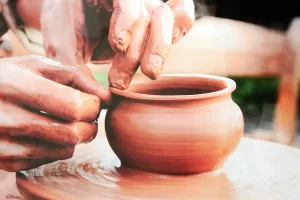
Uzbek ceramics are more than a craft; they are a true art embodying the country’s